
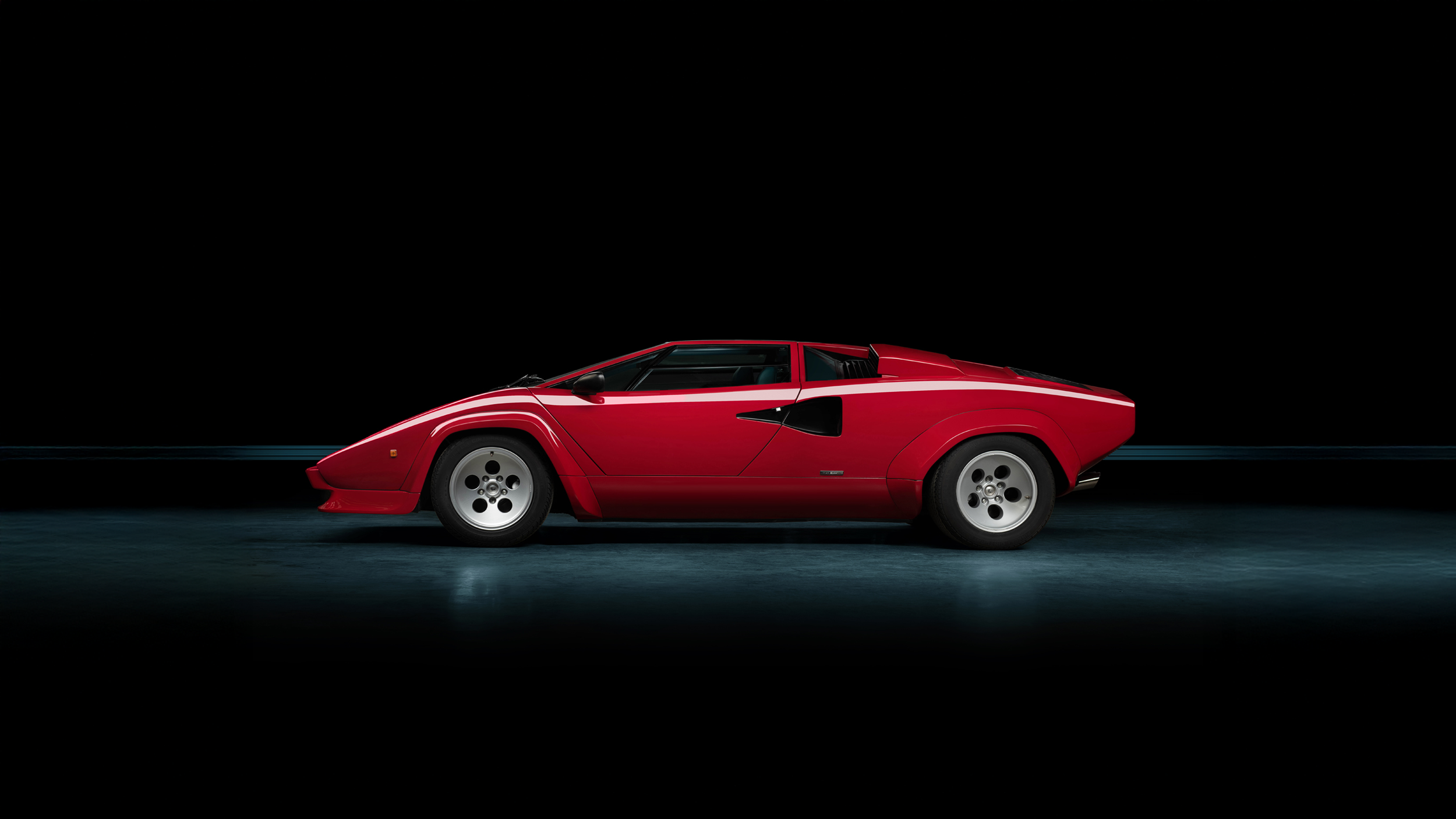
Exceptional paintwork is the result of knowledge, patience and craftsmanship, built on centuries of tradition and supported by modern materials and facilities. From meticulous surface preparation to the final application of paint—whether by brush or spray—every stage plays a critical role in achieving a finish that is both beautiful and enduring.
Paint Preparation and Traditional Coach Painting
Whatever paint system you choose for your car—whether modern coatings or traditional coach paint—meticulous preparation is essential. The countless hours invested at this stage are rarely visible and often underestimated, yet they are fundamental to achieving a flawless finish. Without this work, paintwork will never look its best, nor will it stand the test of time.
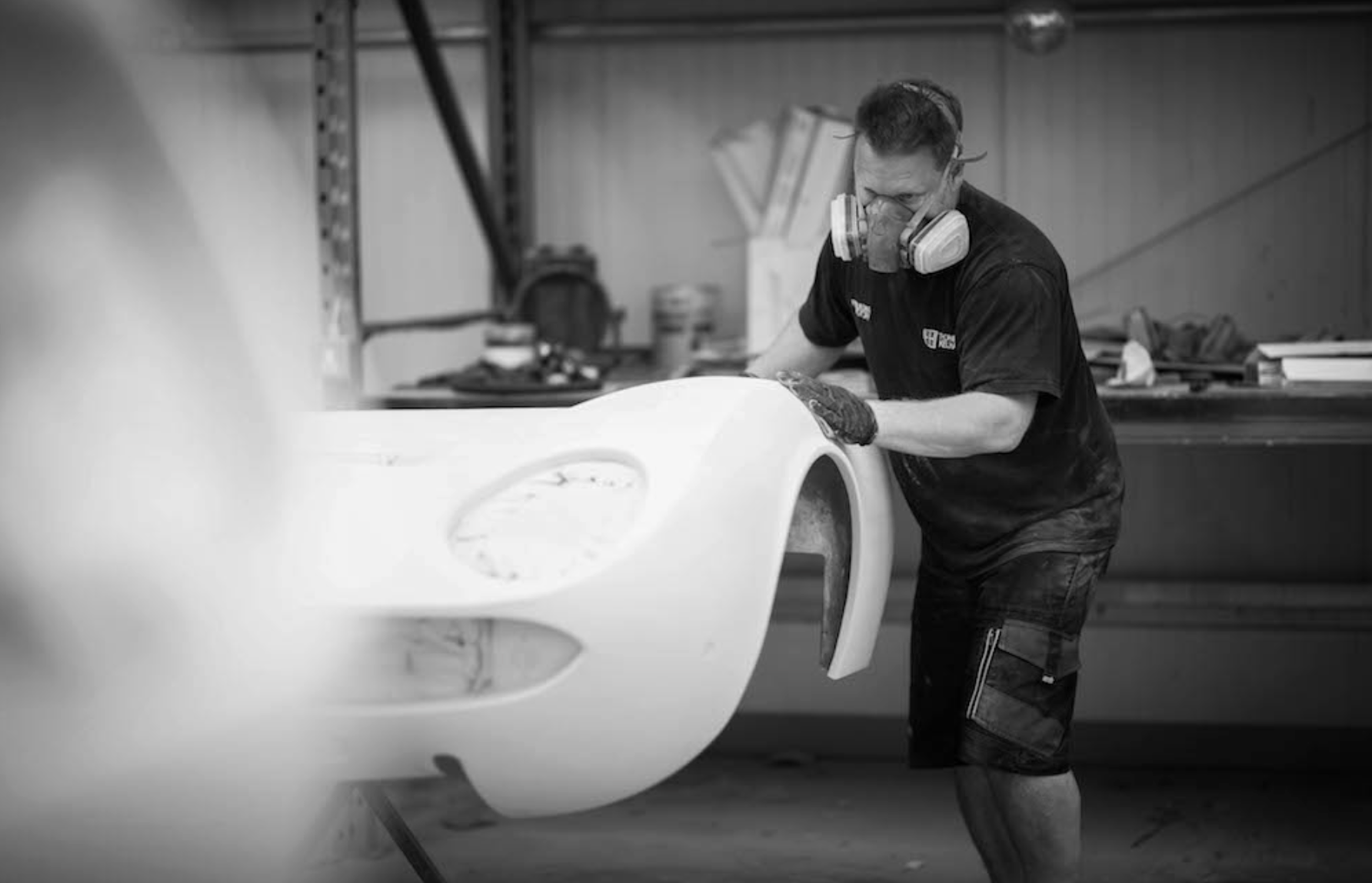
The restoration of cars with historic aluminium bodywork presents particular challenges. Every trace of corrosion, old paint, welding flux and contamination must be carefully removed to ensure long-term durability. Equally important is maintaining a warm, dry working environment throughout the process, minimising the risk of future issues. A bare-metal car left in a damp garage is a recipe for problems.
Proper preparation is inherently time-consuming. Whether we are hand-shaping a door panel to achieve perfect surface continuity, or carrying out the many stages involved in finishing a louvred panel—masking, epoxy priming, stopping, priming, flatting, re-masking, wet flatting and re-priming—this painstaking process forms the foundation of everything we do.
Our paint and preparation team collectively bring close to a century of experience, consistently delivering finishes to the highest possible standard.
PAINT PREPARATION
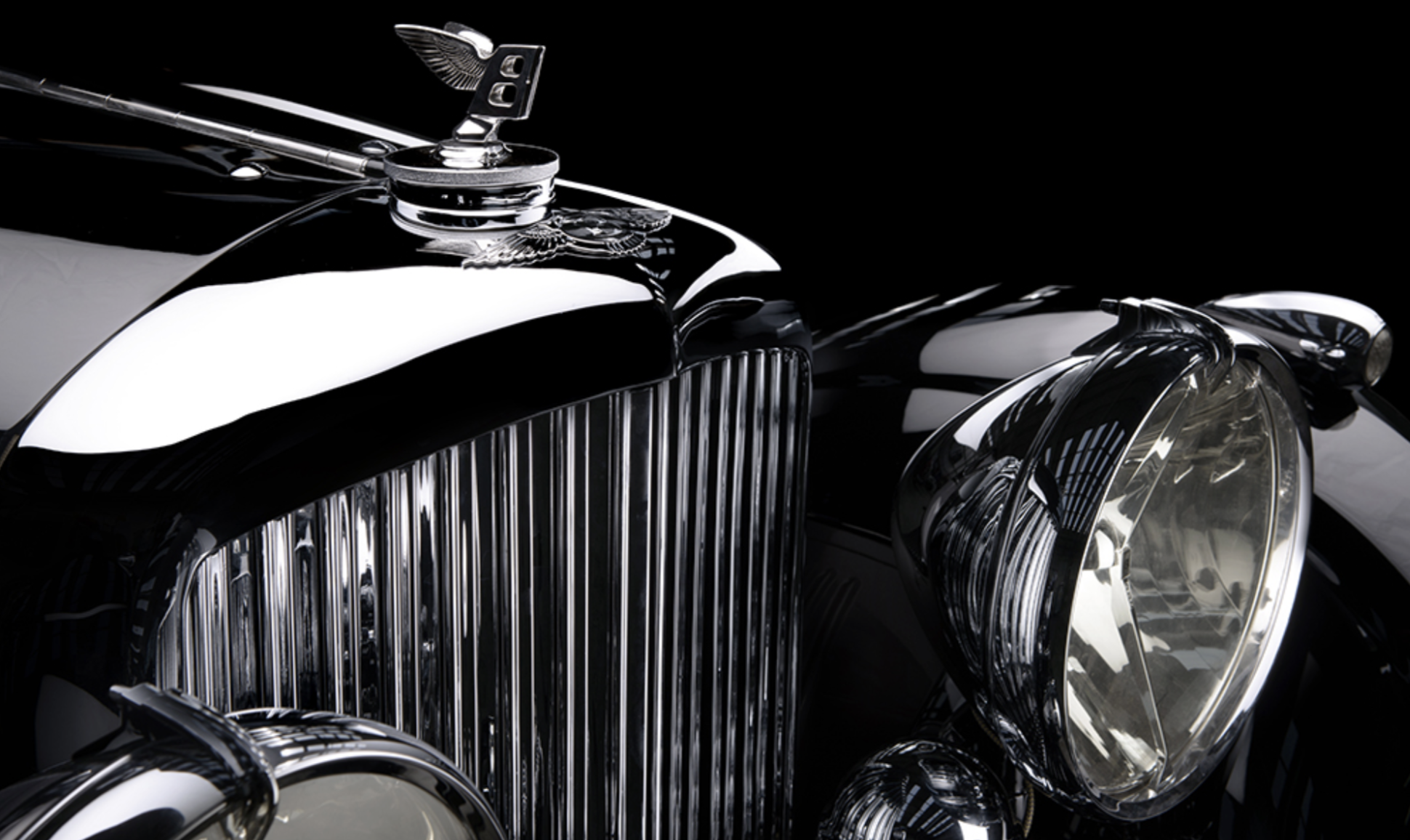
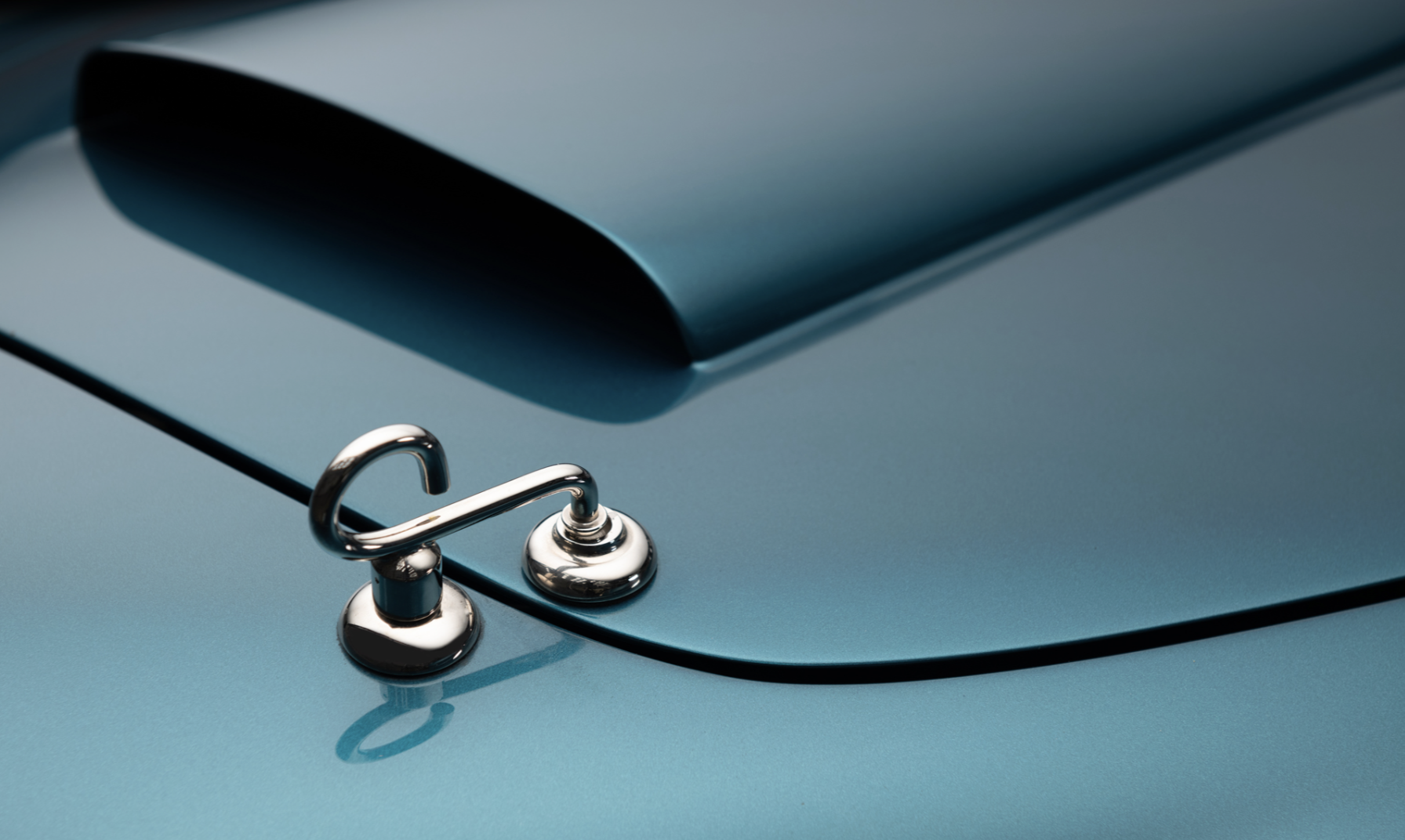
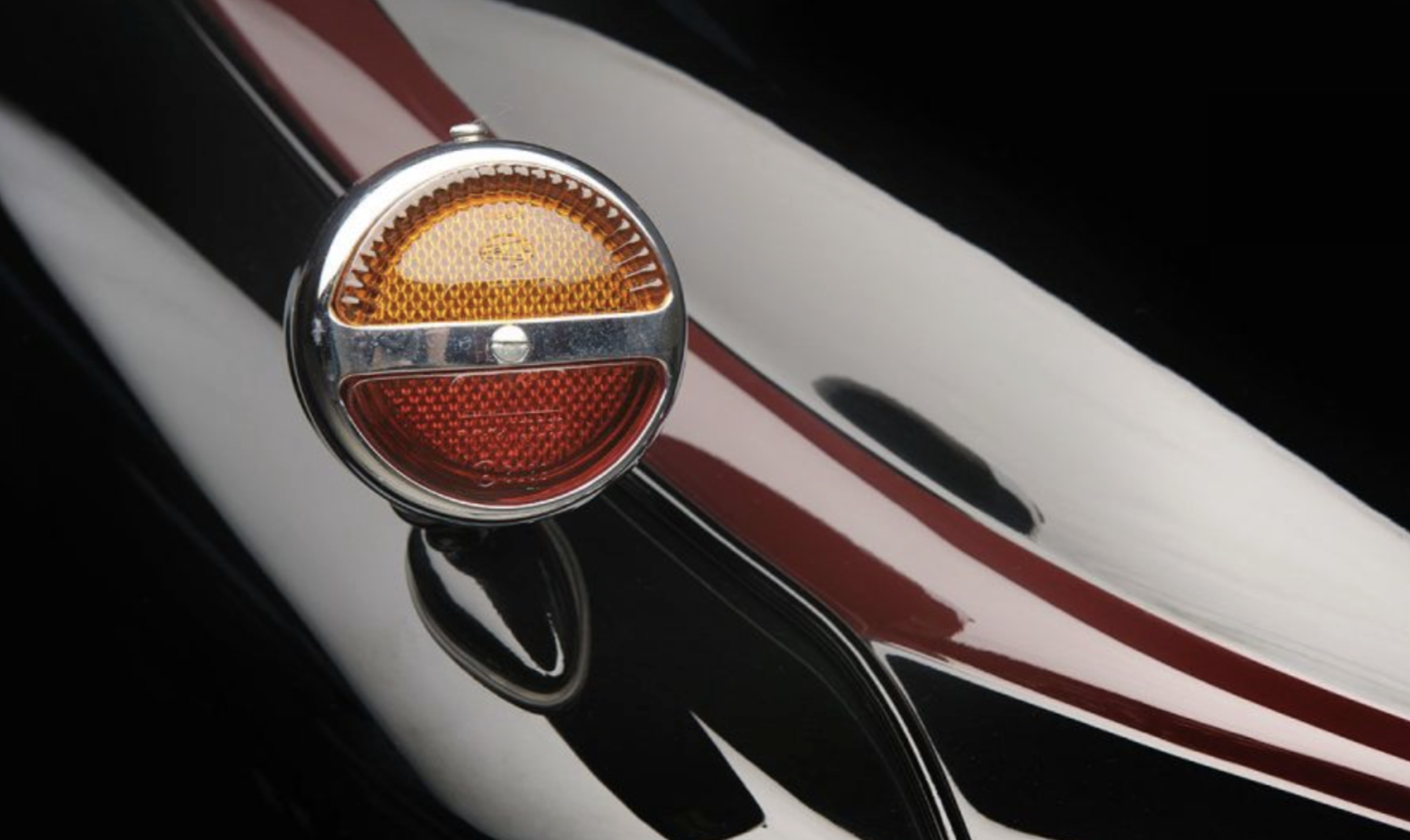
As its name suggests, coach painting originated in the decoration of horse-drawn coaches and carriages, with roots stretching back several thousand years. The craft flourished during the 17th and 18th centuries, when lead- and linseed oil-based paints were developed to produce richly coloured, glossy surfaces that were both decorative and protective.
Finely hand-painted lines—known as coach lines—were used to accentuate the form and proportion of coach bodies, wheels and chassis components. Over time, these techniques evolved into distinctive folk art traditions, influencing disciplines such as narrowboat decoration, furniture finishing and illustrative sign painting.
The advent of the steam age drove further refinement in both technique and paint technology. Vast locomotives and their rolling stock required finishes of exceptional consistency and durability, achieved using the same ancient method: liquid paint applied carefully by hand-held brush.
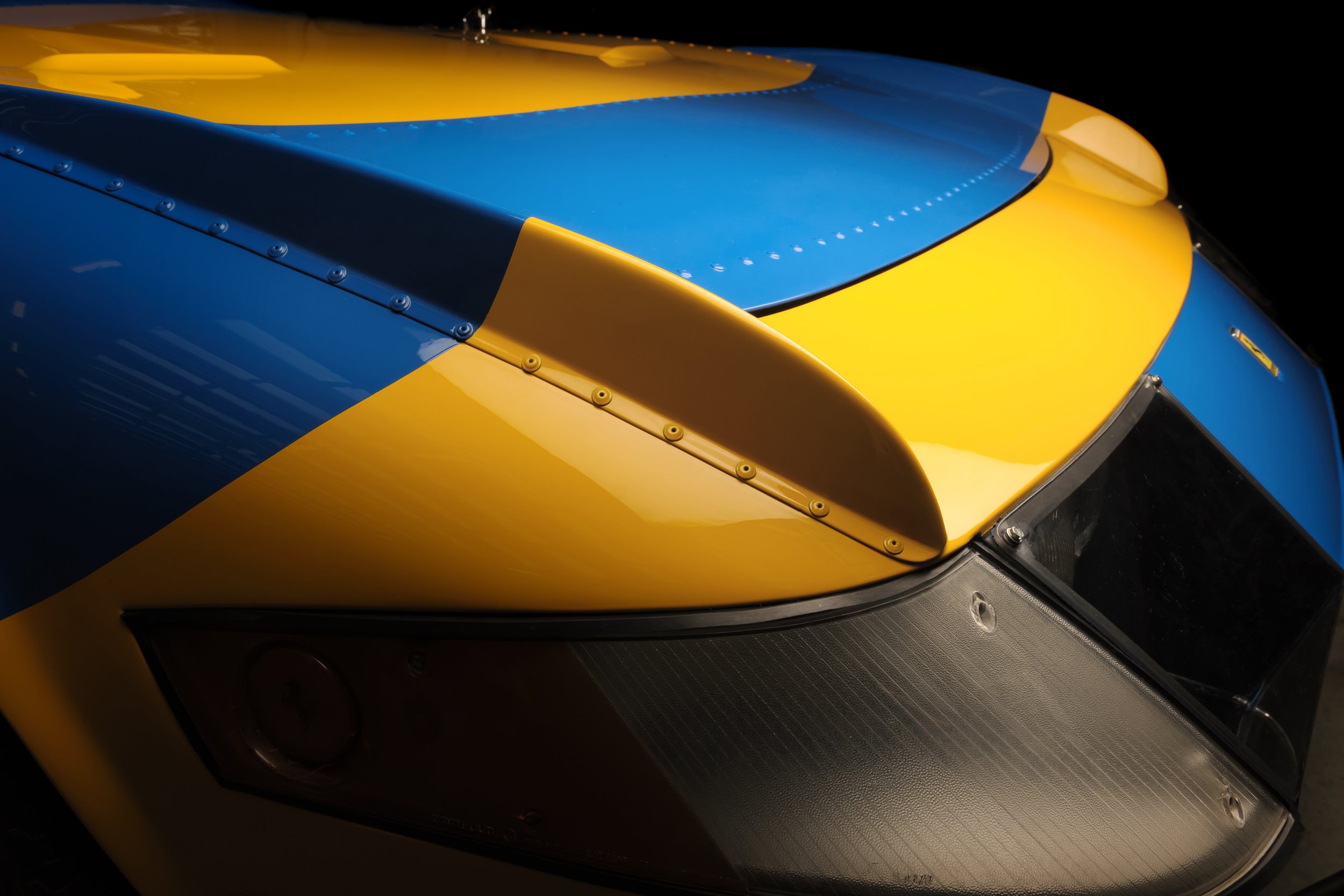
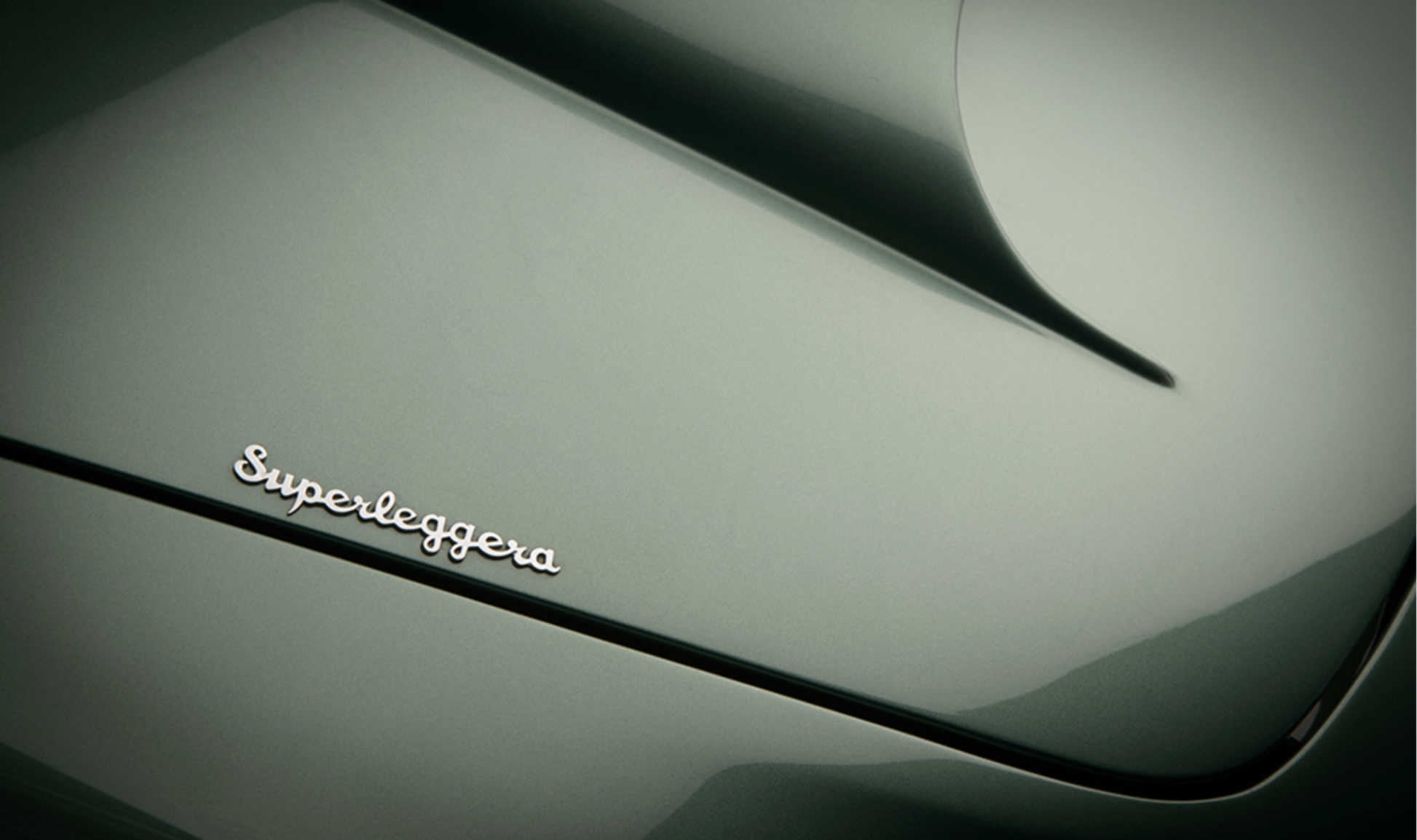
Today at Thornley Kelham, we work with all available paint systems, always aiming to remain faithful to a car’s original finish wherever possible. We continue to offer traditional hand-applied coach painting and regularly use—and favour—nitrocellulose paints, which produce a depth of finish that improves with age and careful polishing. We also work extensively with solvent-based two-pack paints, in both solid and metallic finishes, and, where appropriate, modern water-based systems. While purists may be reluctant, the increasing adoption of water-based materials is inevitable within the classic car world, and we are fully equipped to apply them to the highest standard.
COACH PAINTING
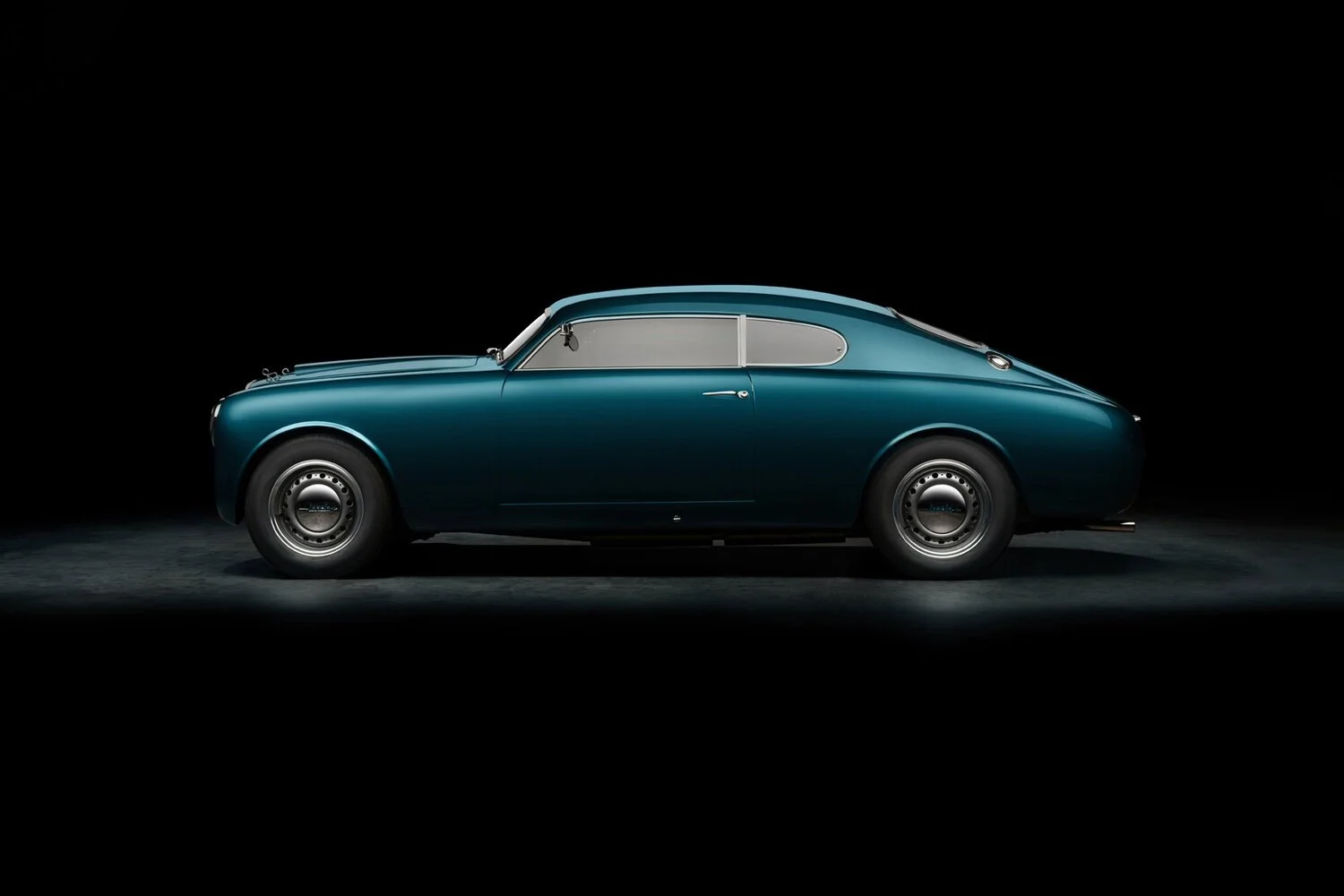
HAVE YOUR OWN PROJECT IN MIND?
Whether it’s a full concours restoration, a sympathetic upgrade, or a bespoke commission from our European Collection, our team would be delighted to discuss how Thornley Kelham can bring your vision to life.