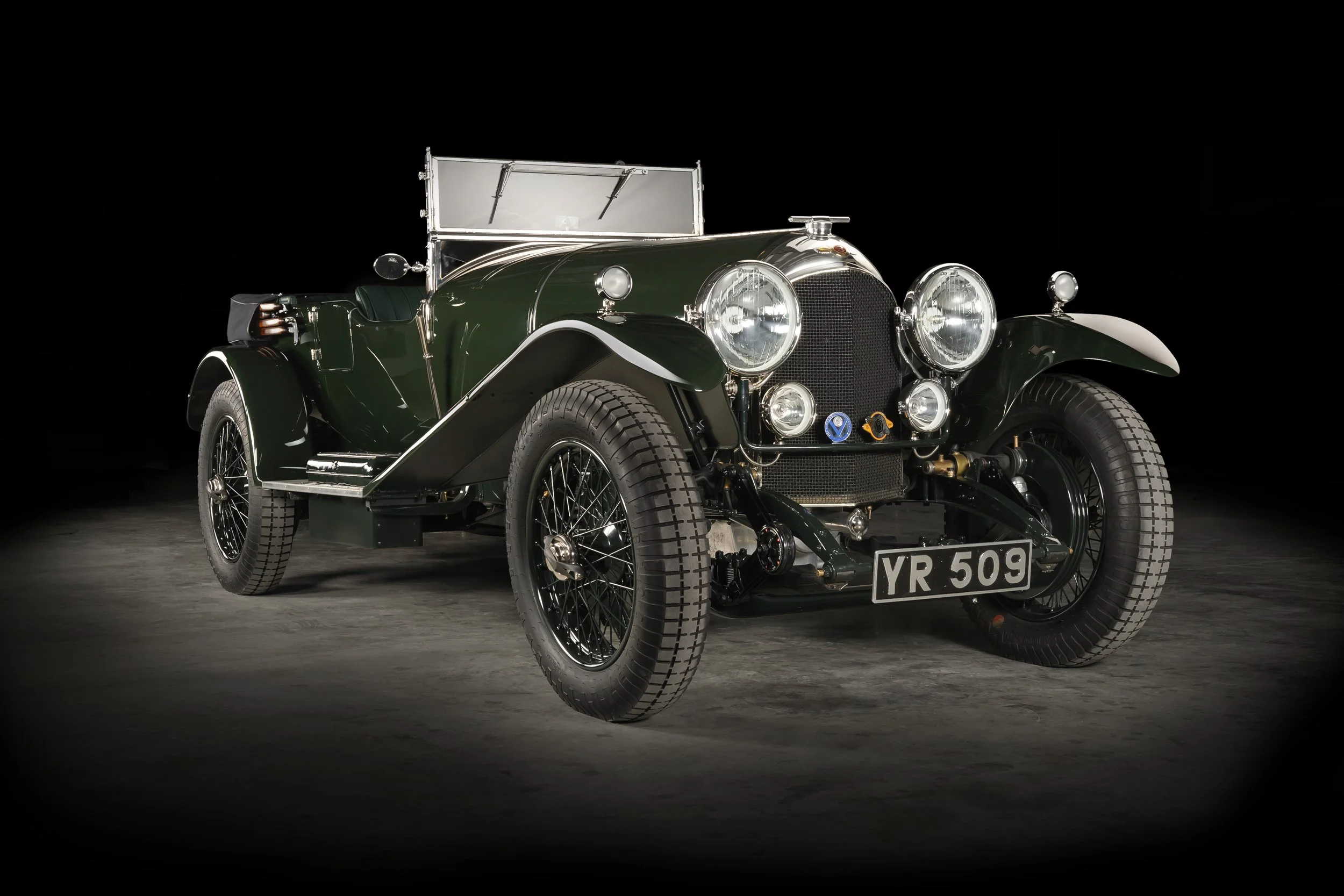
BENTLEY 3 LITRE RED LABEL
The first Bentley was unveiled in 1919 by W. O. Bentley, with production beginning in 1921. The original 3 Litre model was produced in three variants: Blue Label (standard), Red Label Speed (shorter chassis and higher compression), and the rare Green Label Supersports. The 3 Litre Bentley achieved major success, winning the 24 Hours of Le Mans in 1924 and 1927.
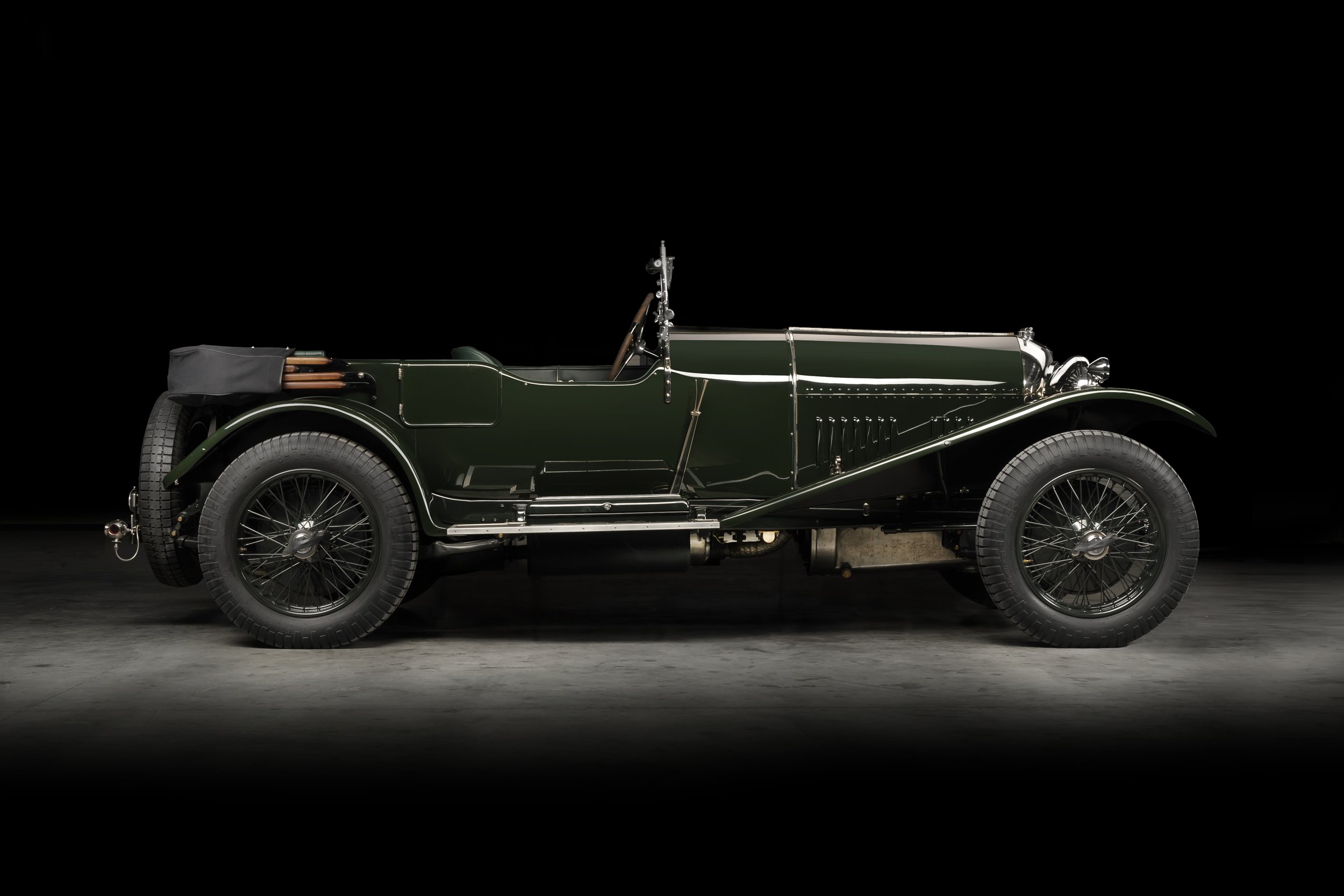
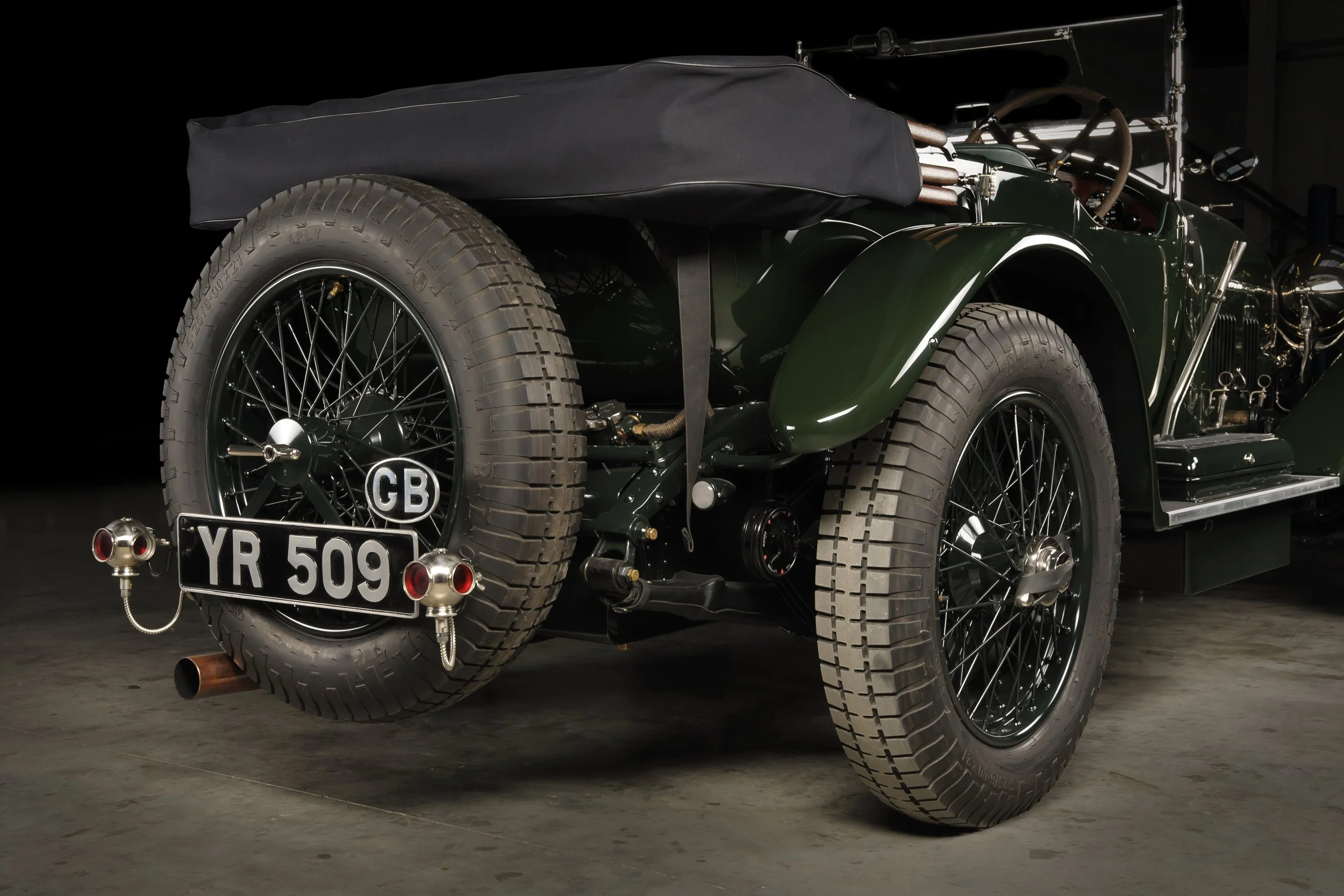
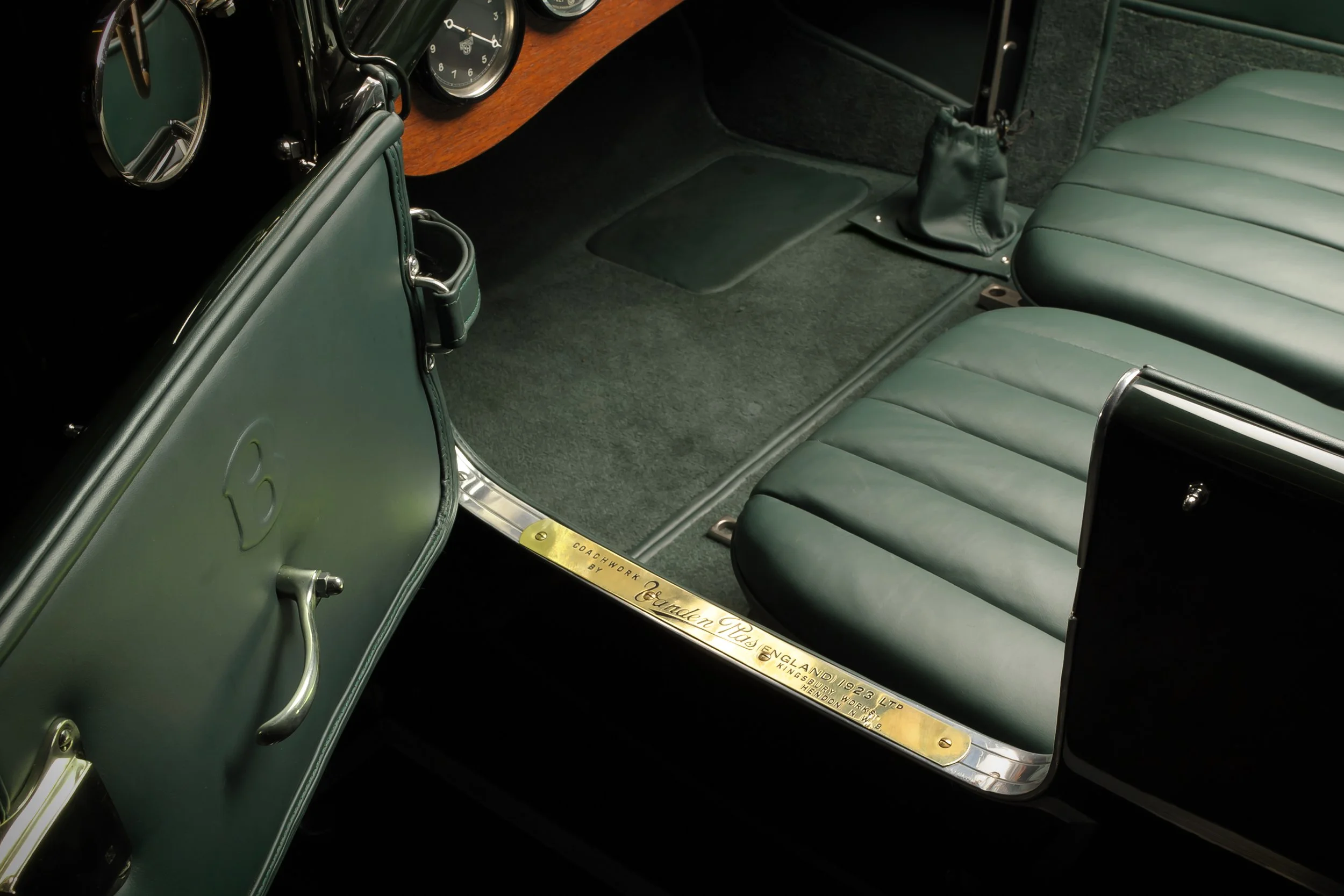
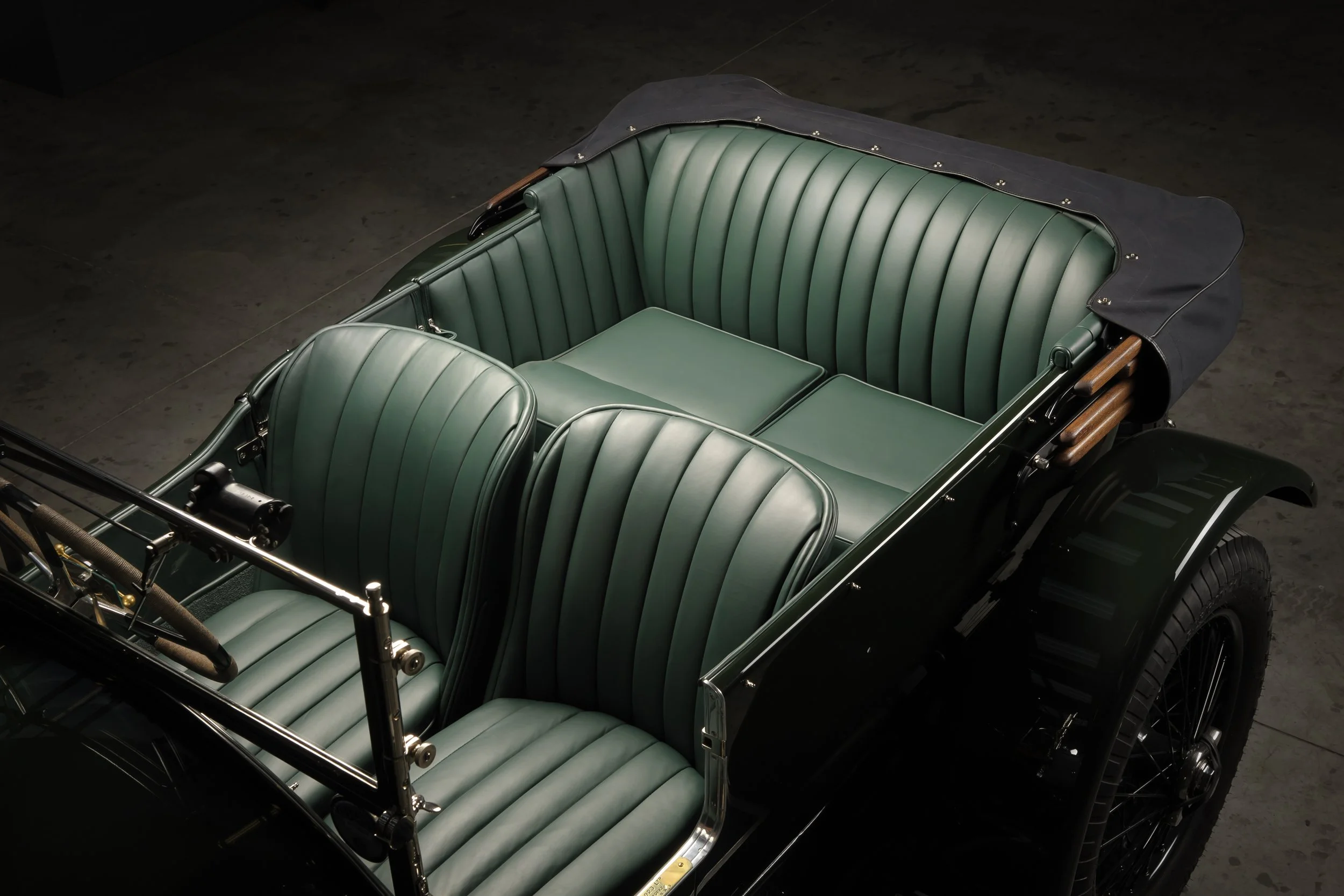
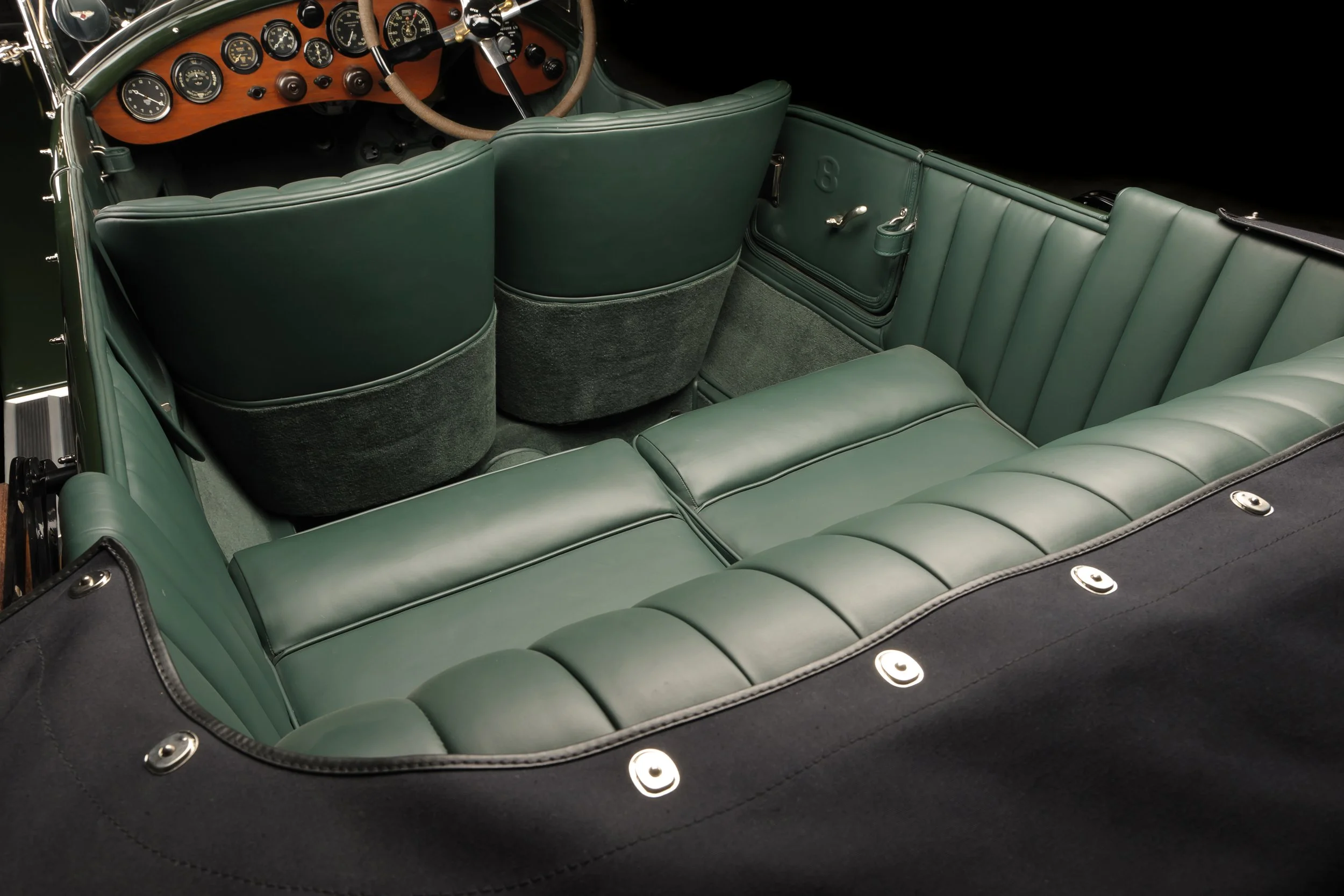
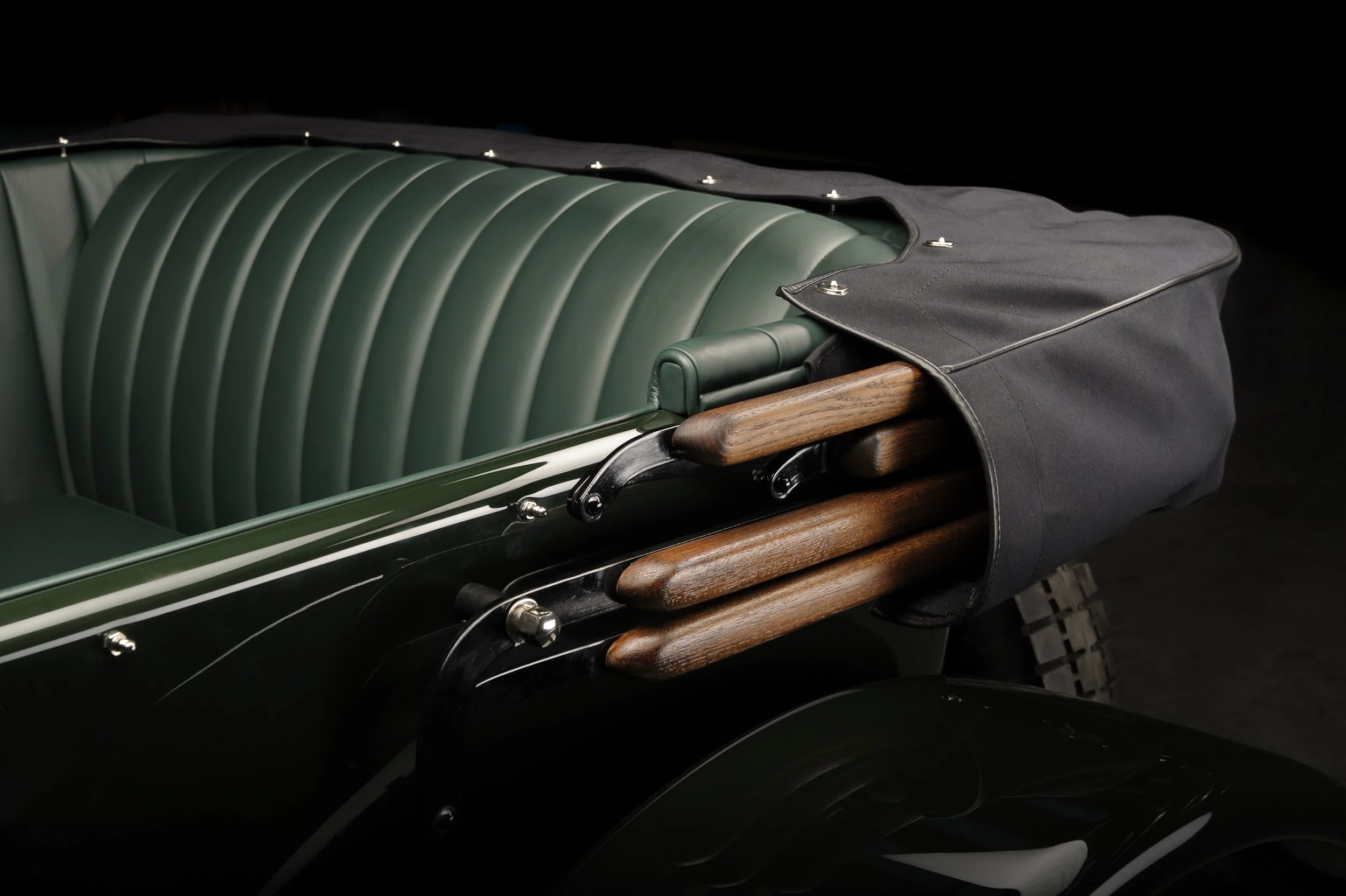
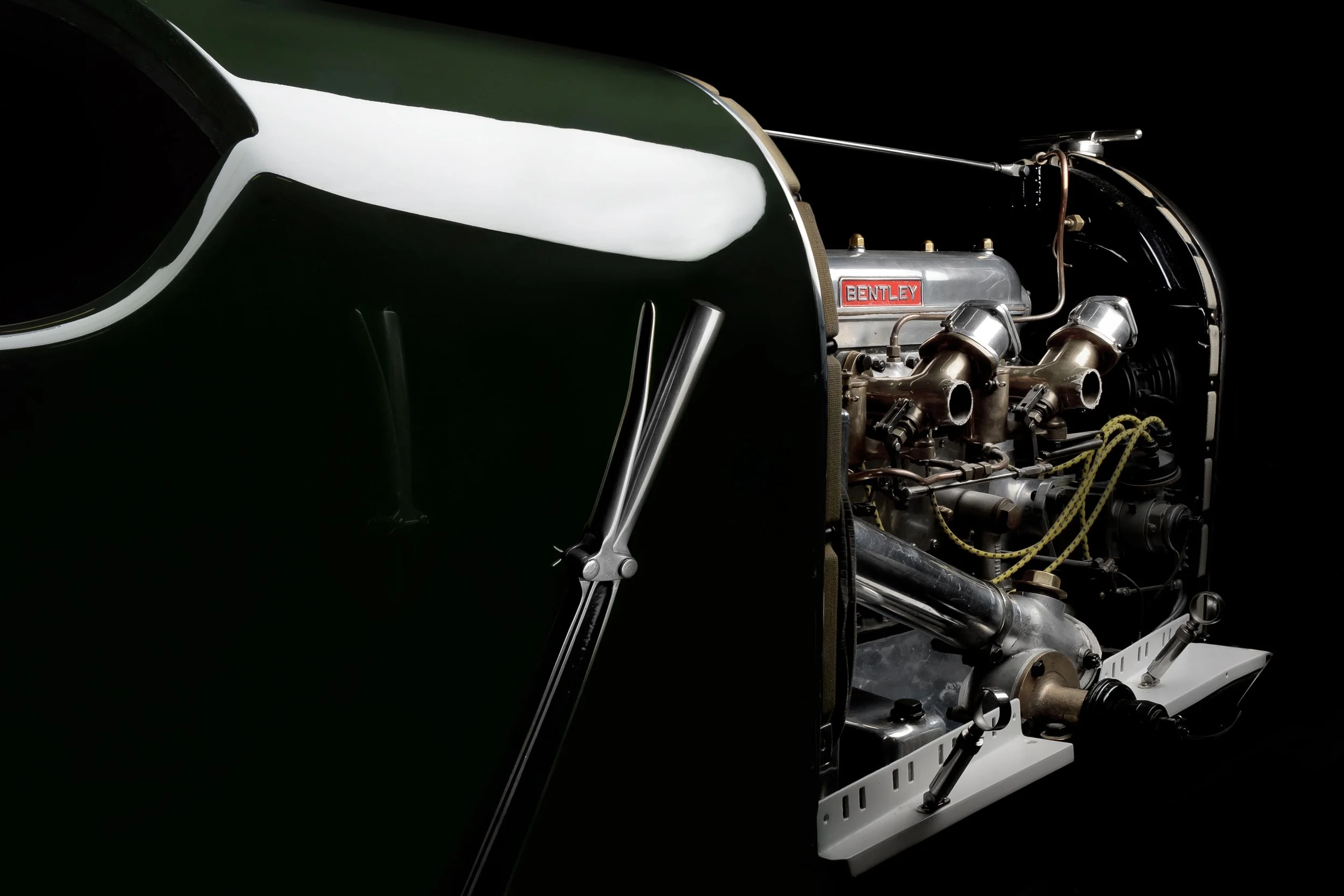
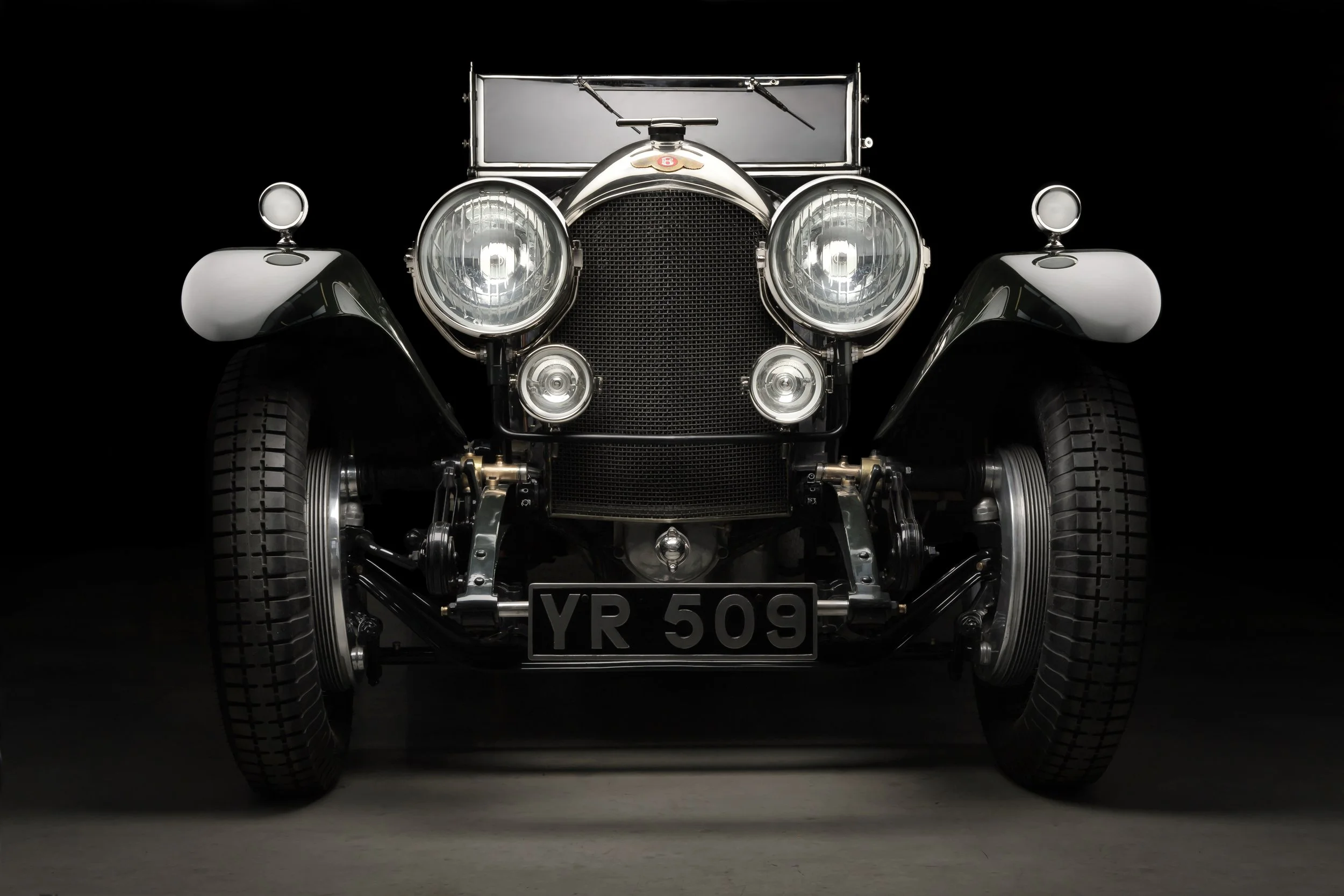
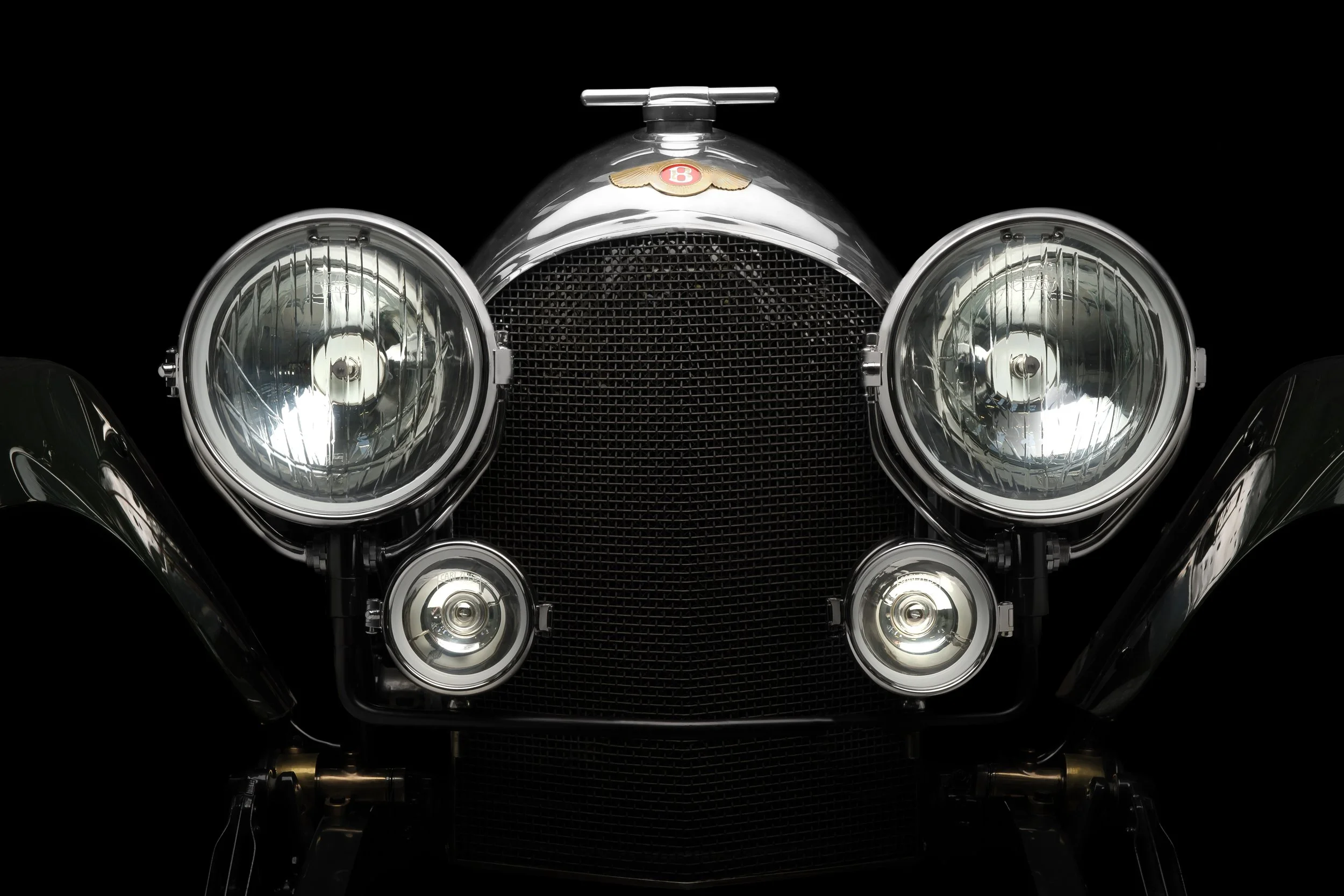
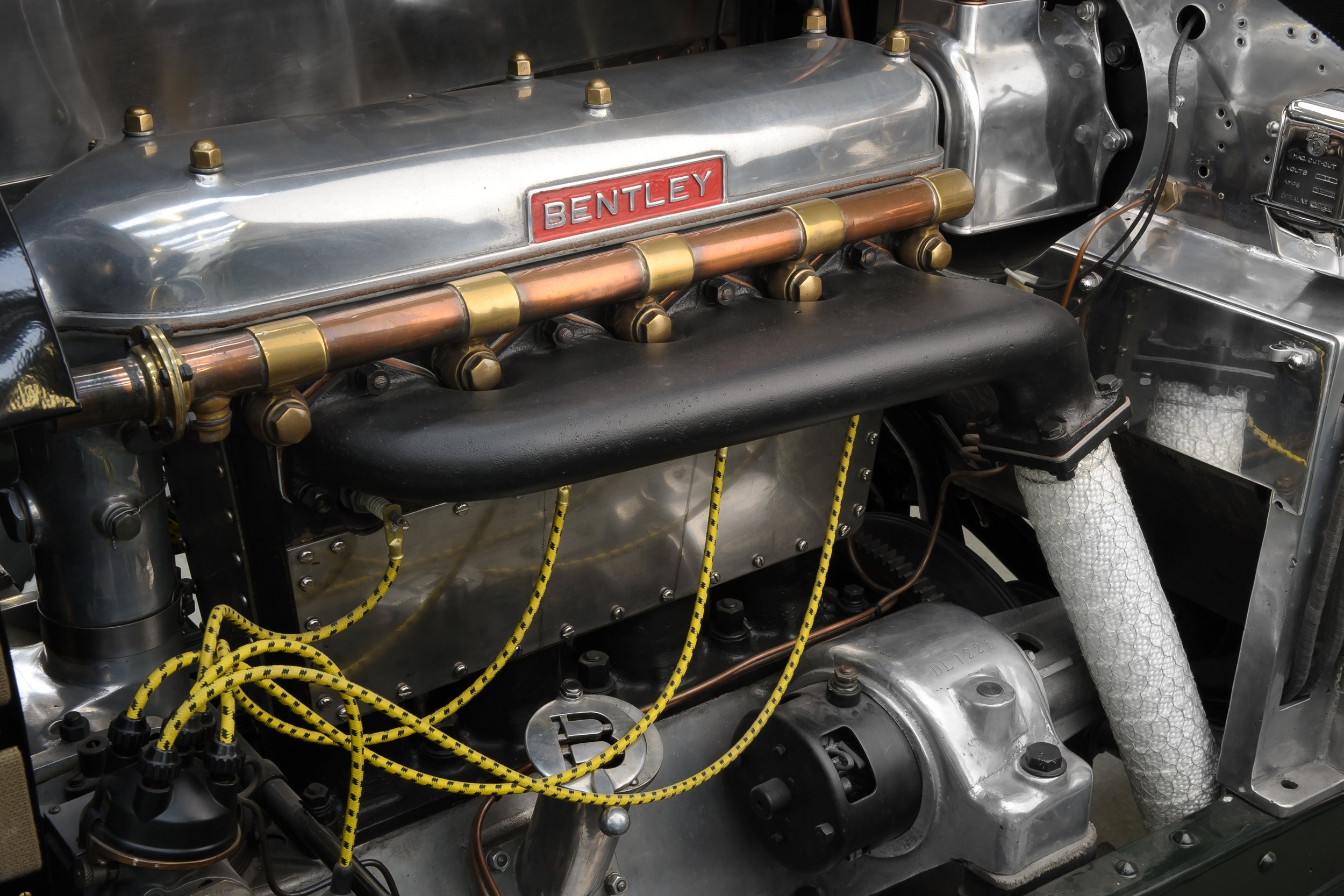
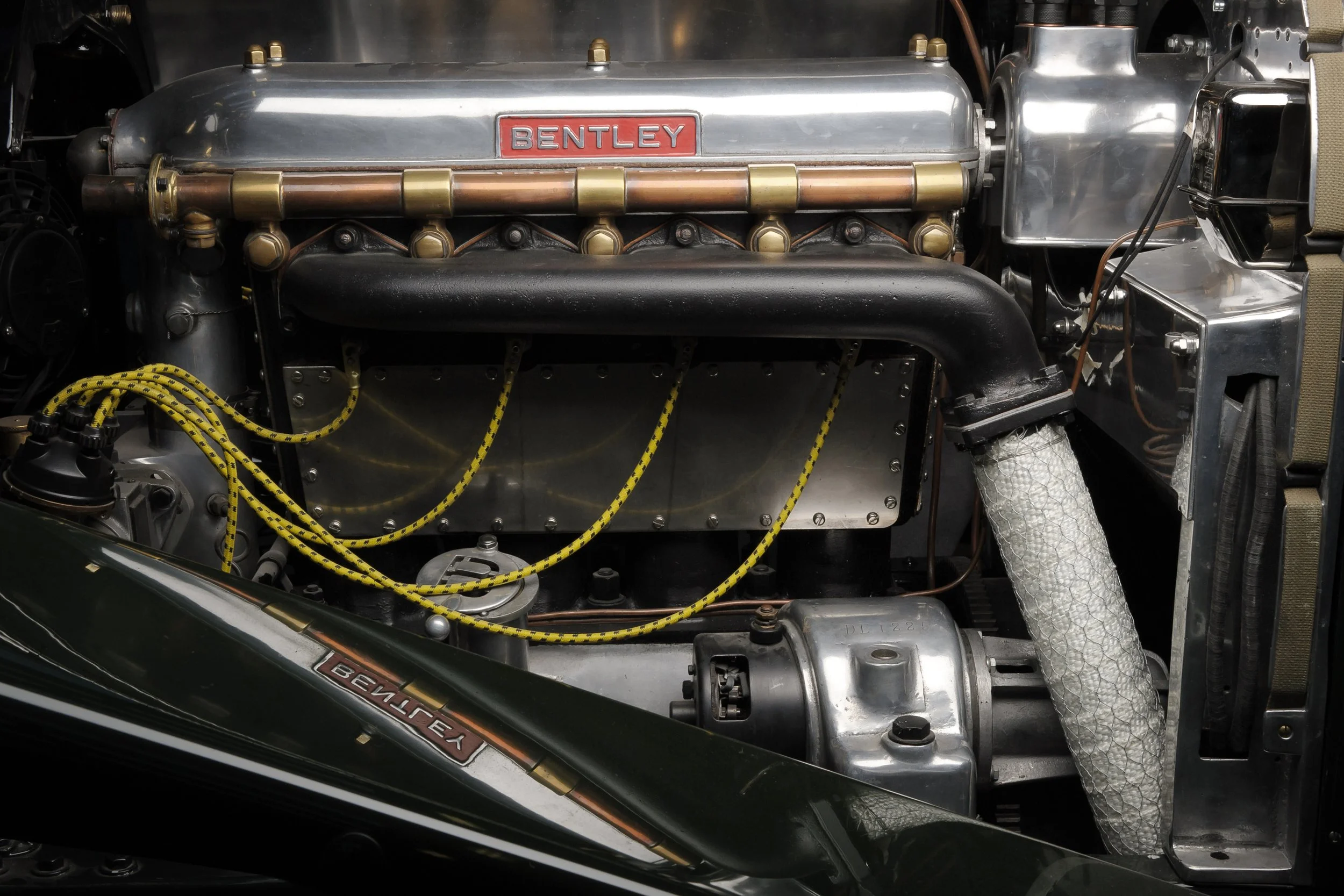
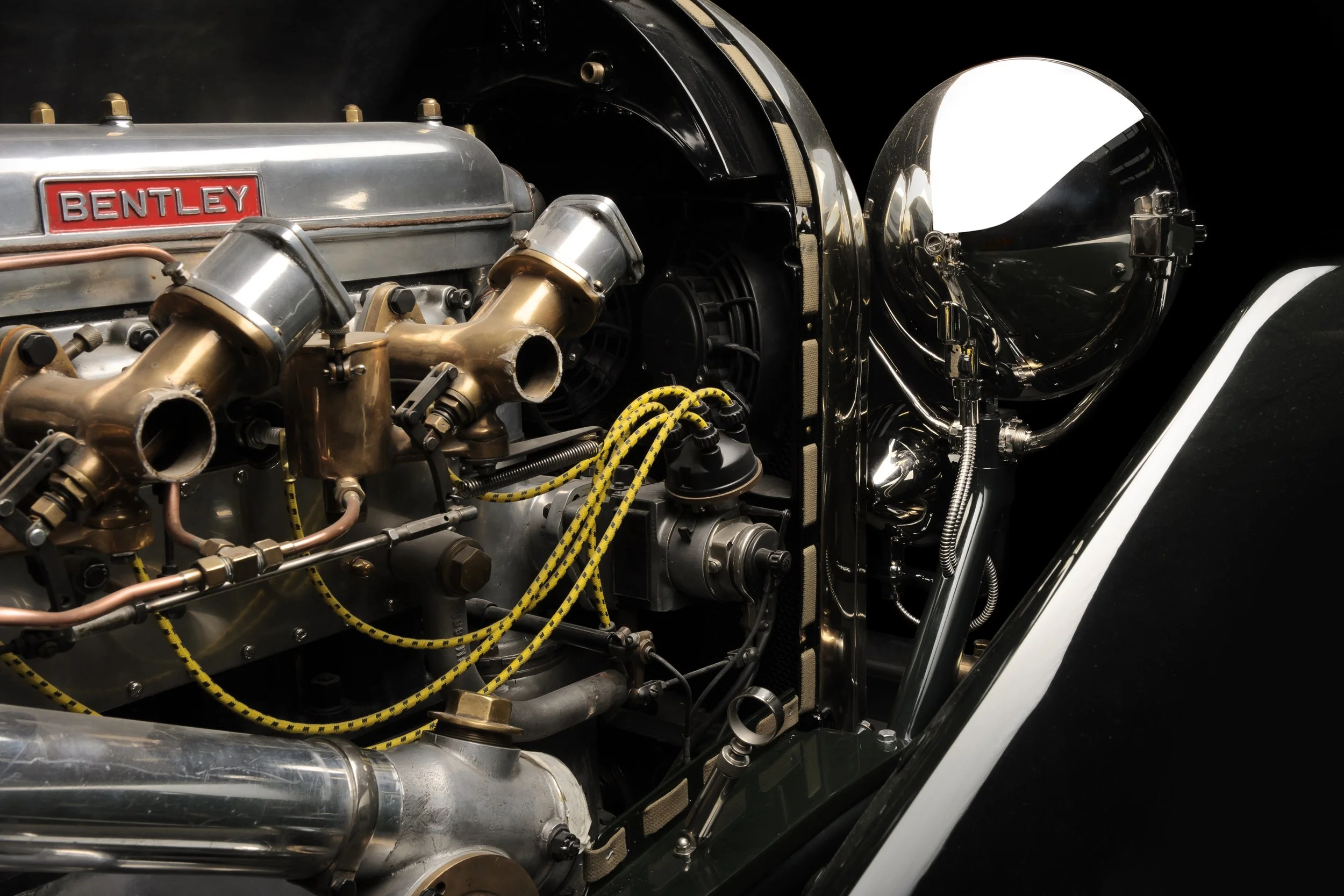
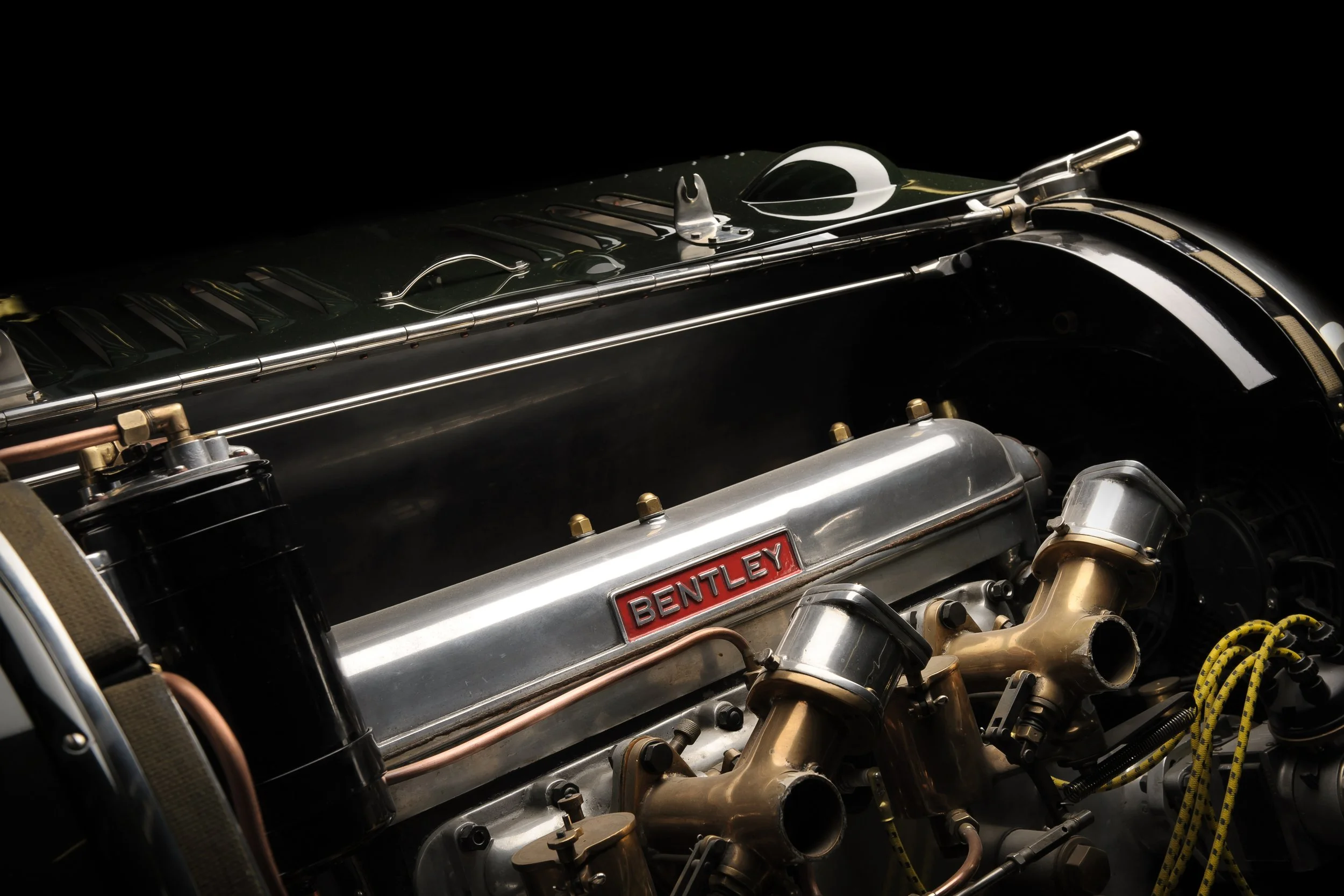
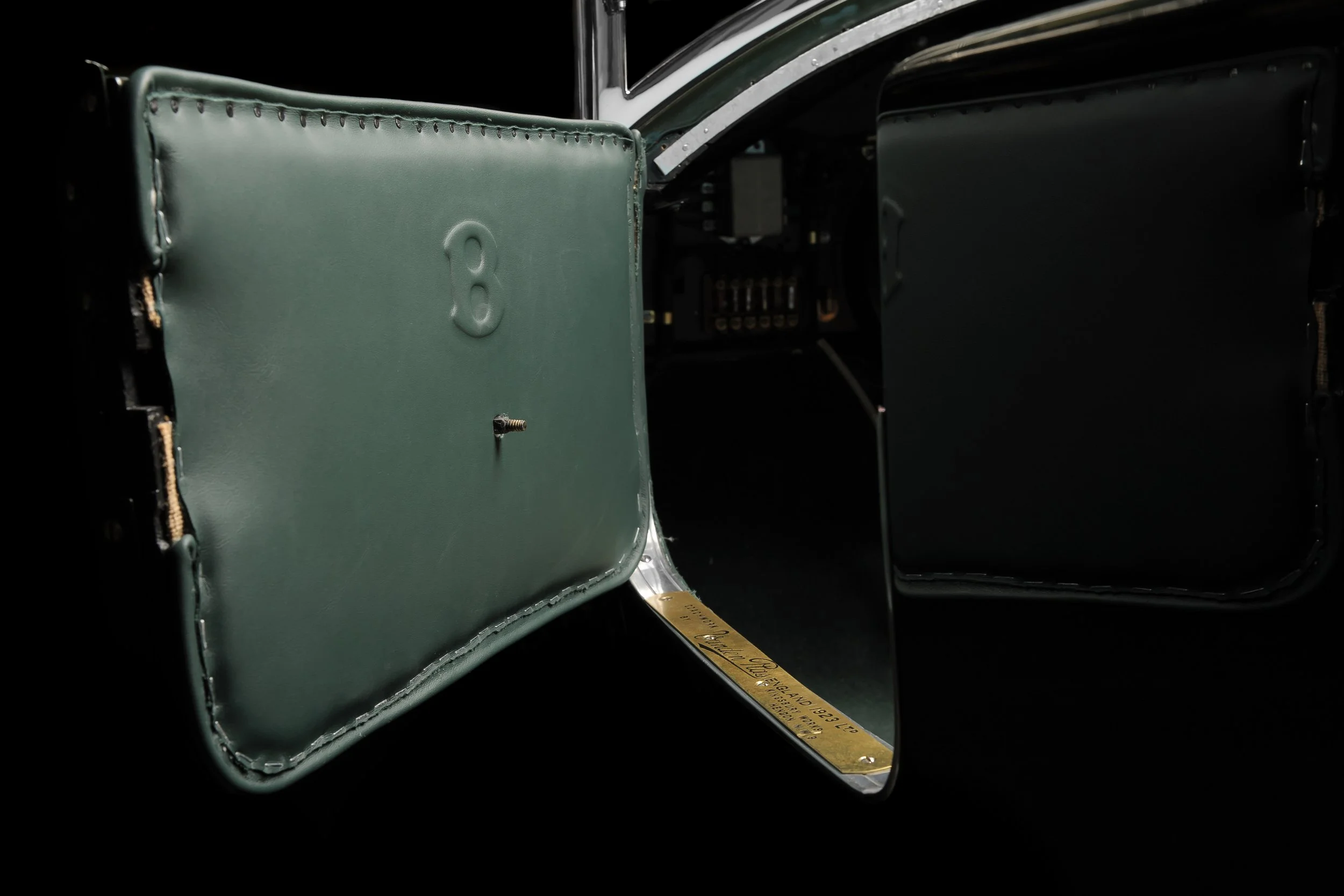
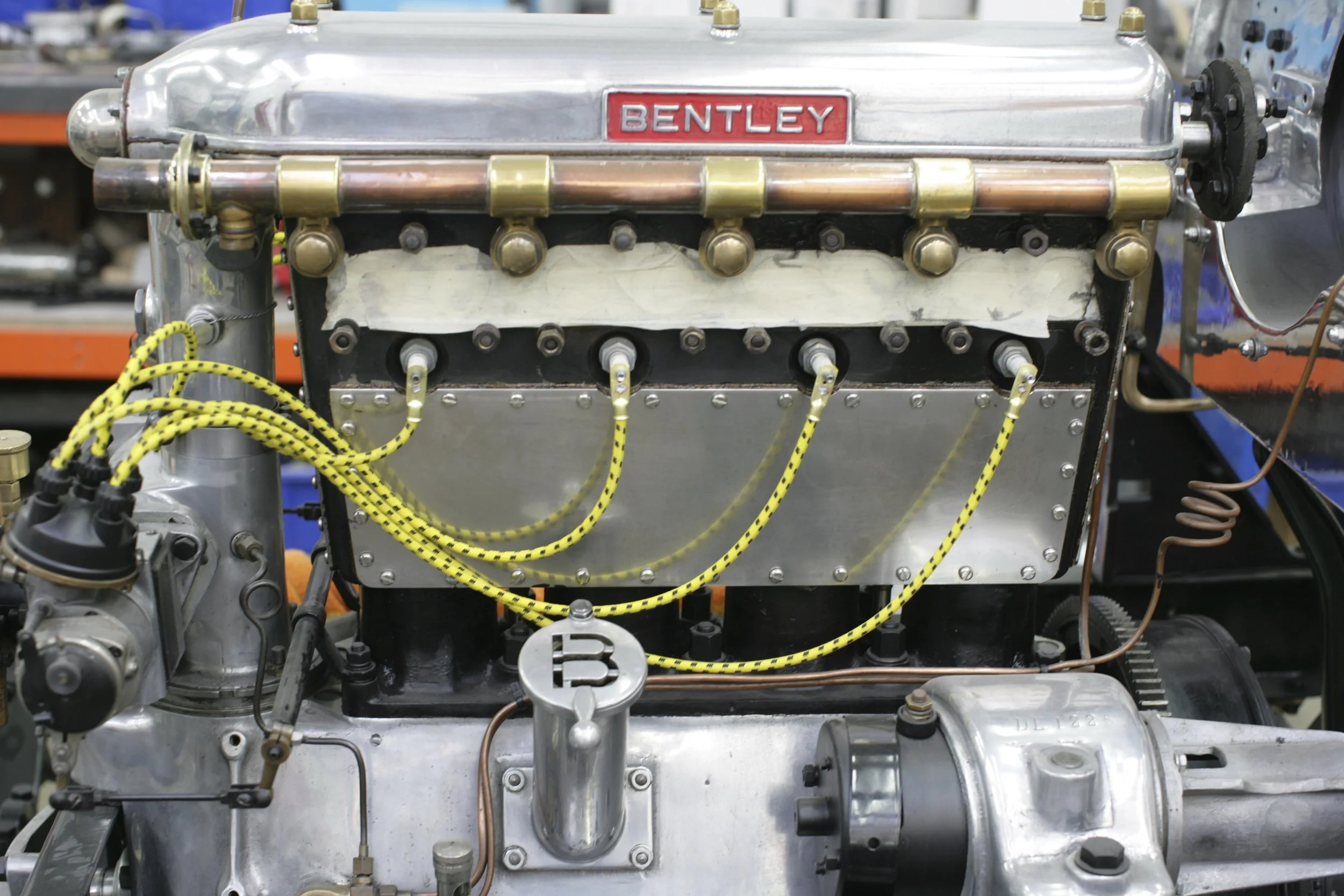
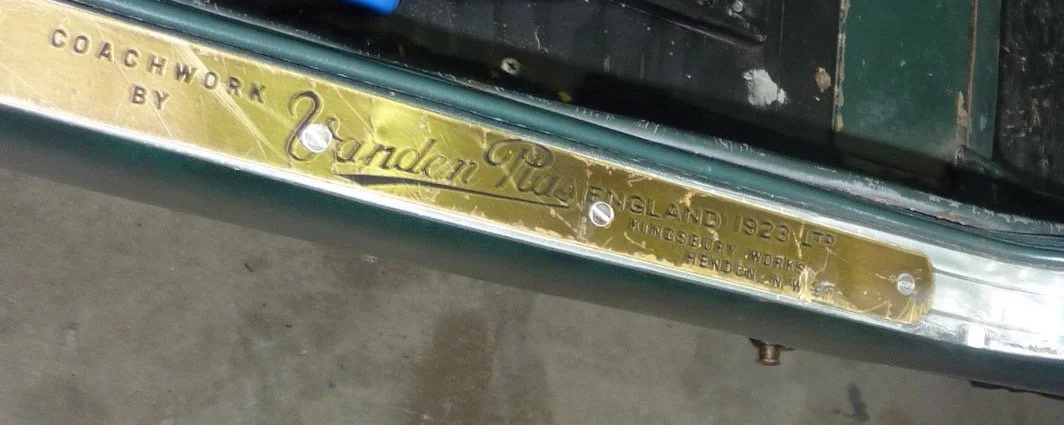
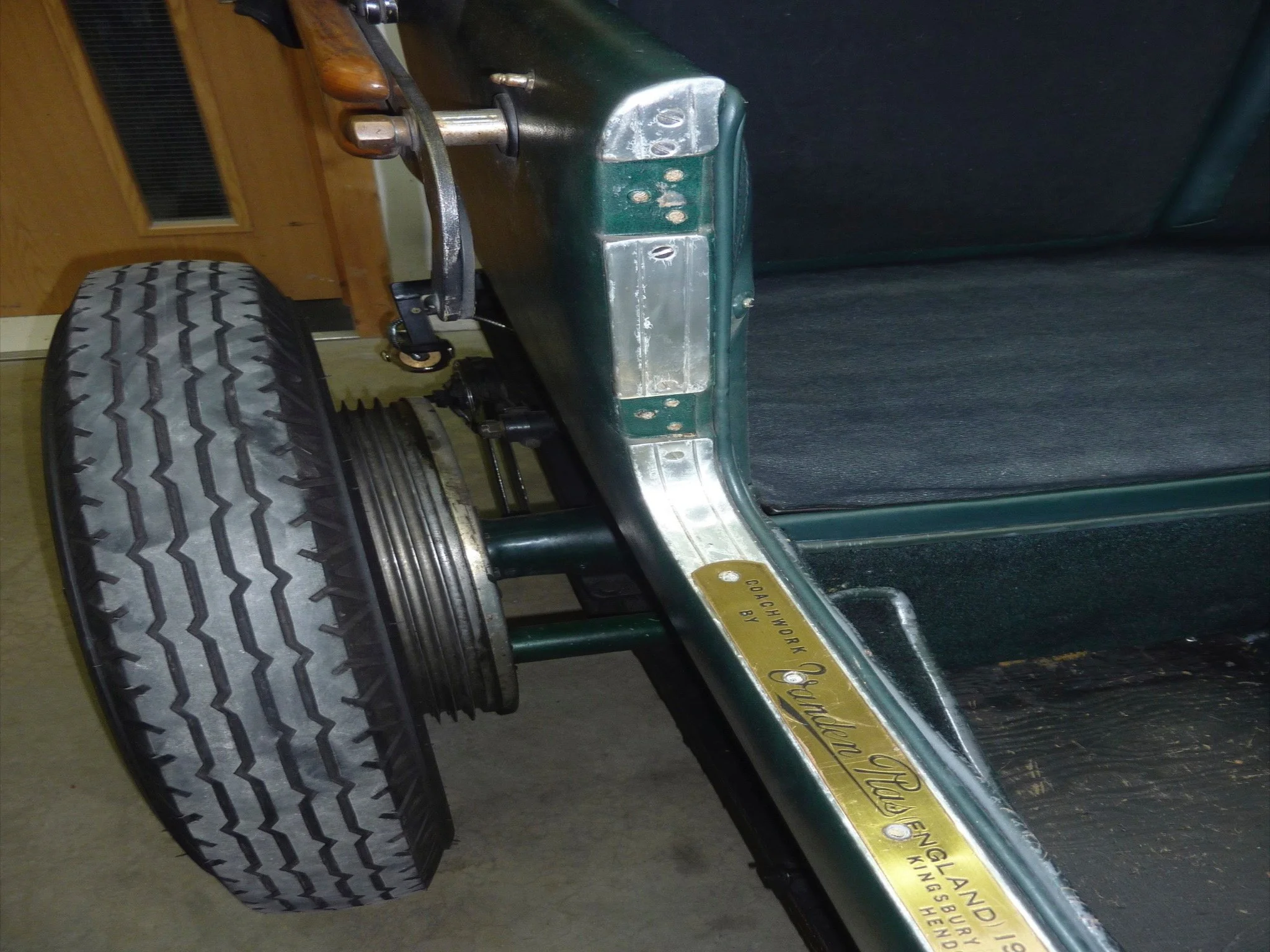
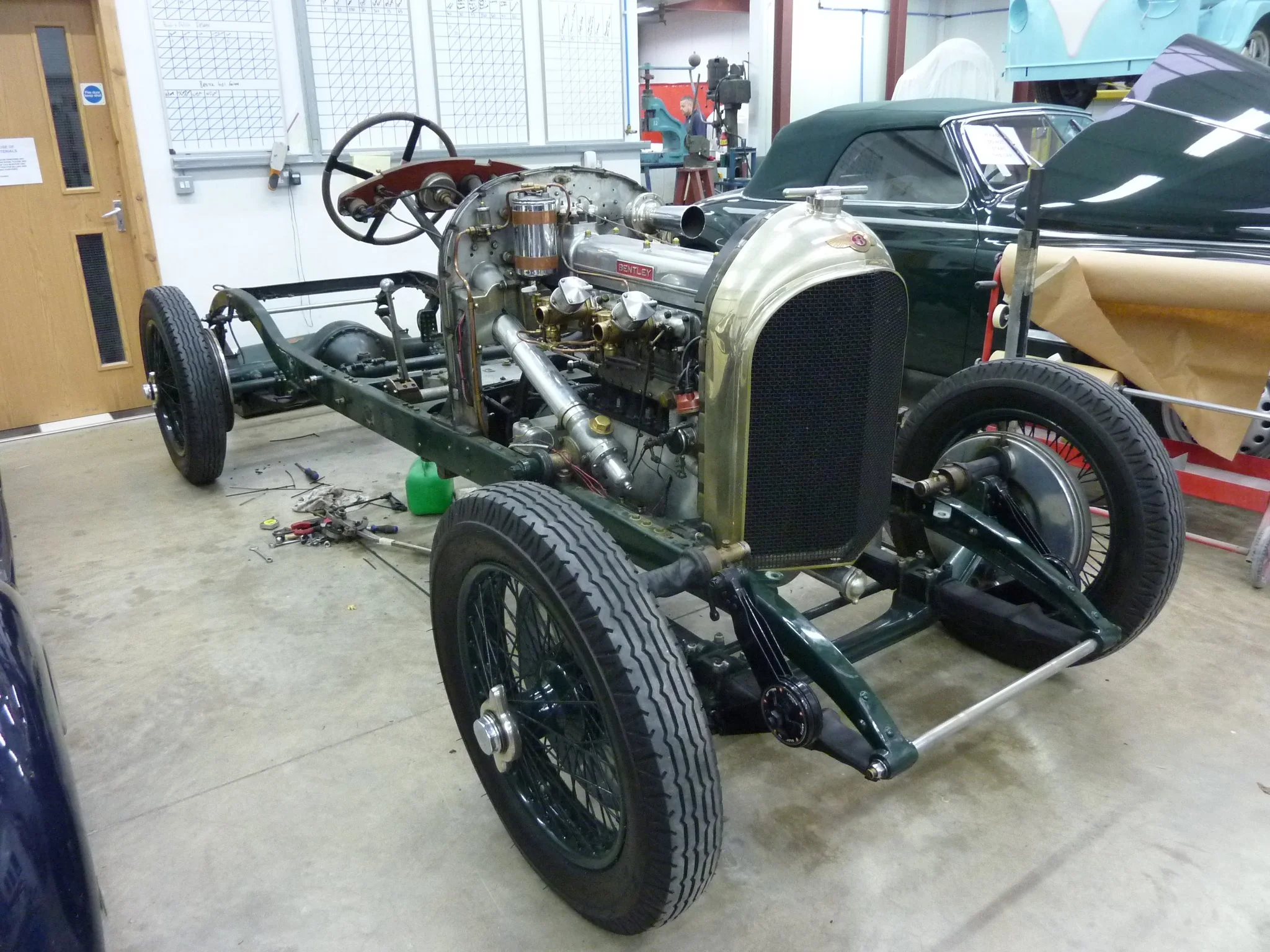
This car is one of only 513 Red Label 3 Litre Speed models built between 1923 and 1929. Retaining its original mechanical components and Vanden Plas four-seat open tourer body, it was supplied on the shorter Speed chassis with a high-compression engine and twin SU carburettors, capable of over 80 mph—remarkable for its era.
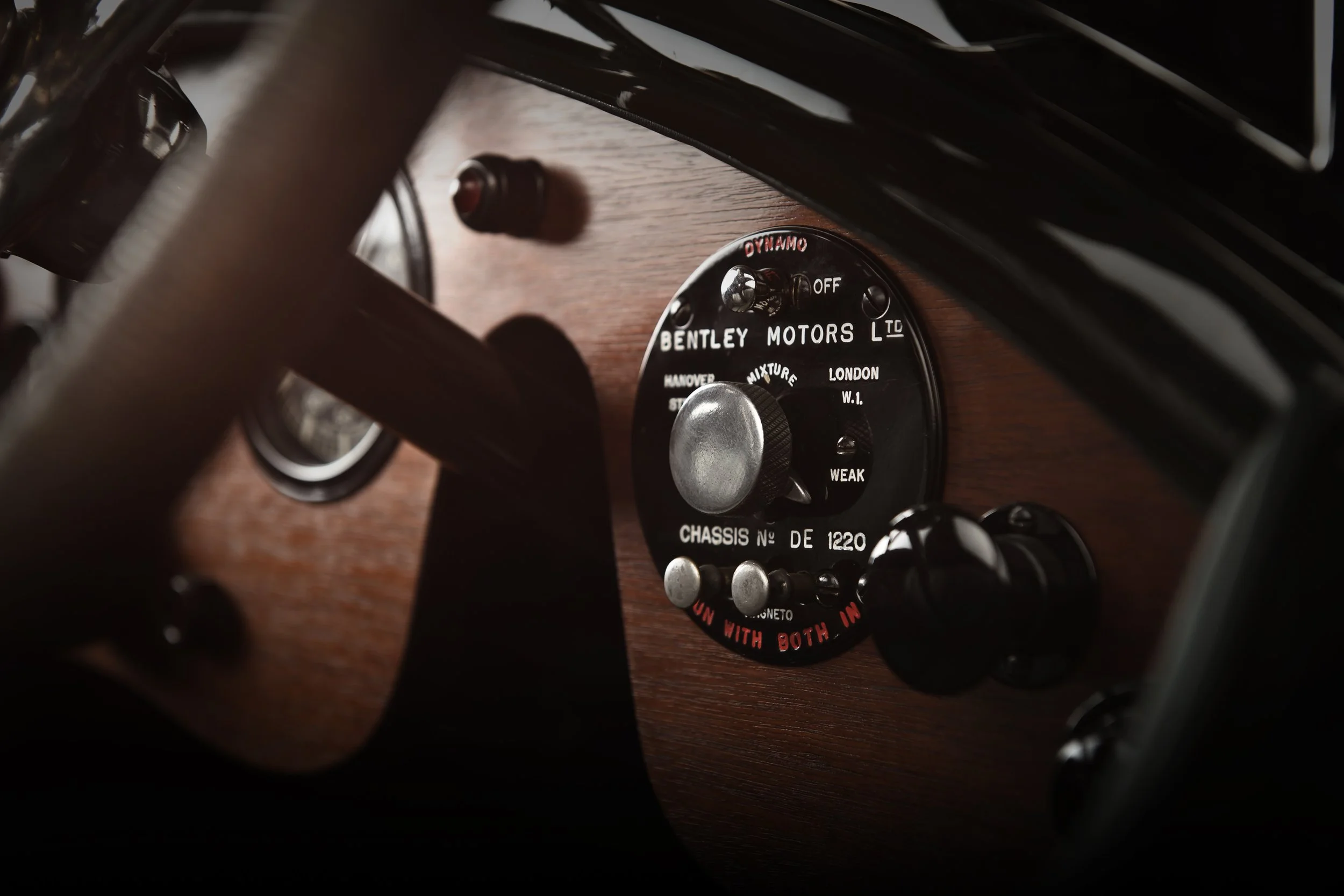
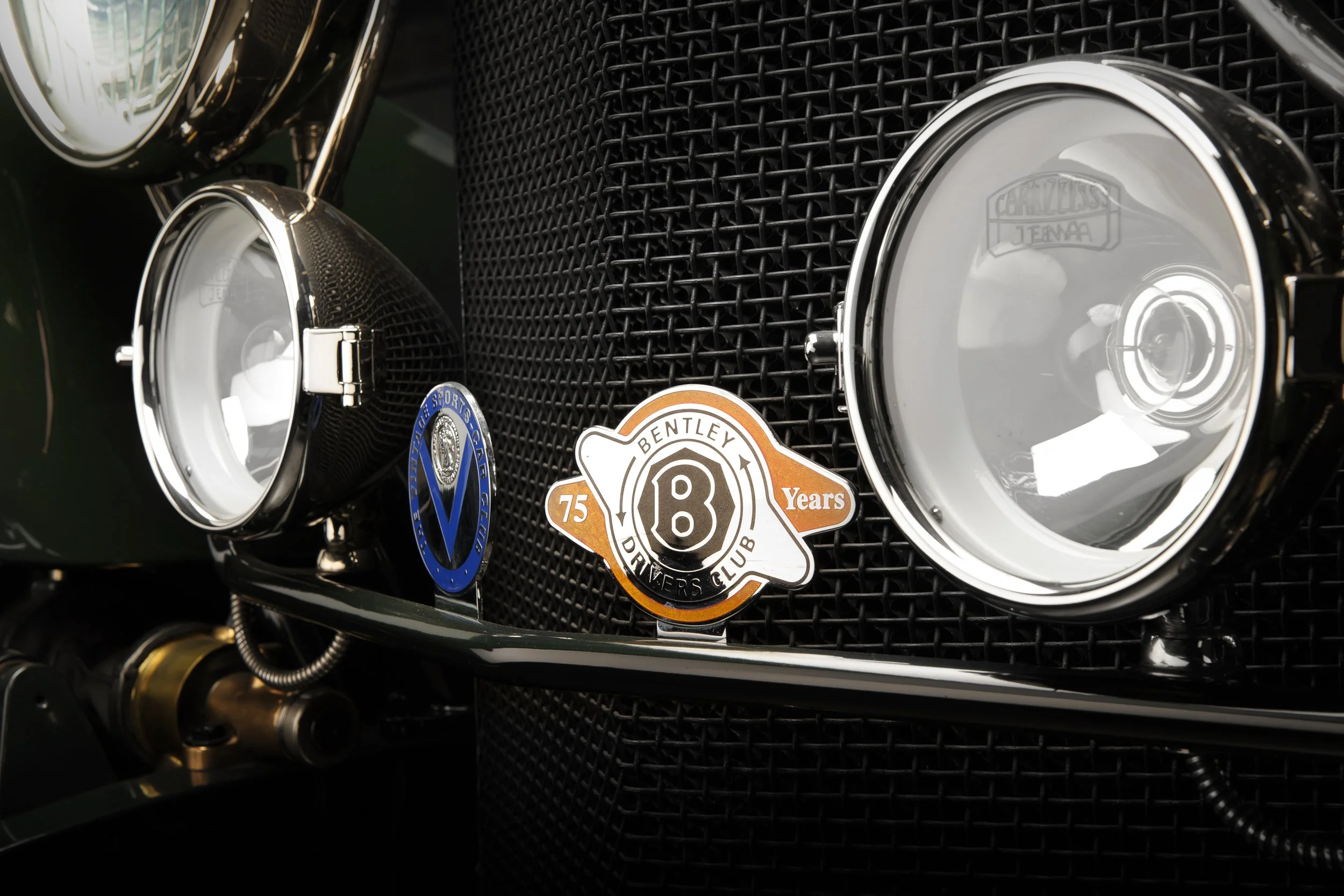
Chassis DE1220 was restored to concours standard in the UK during the 1950s, winning the Bentley Drivers Club Concours in 1957. It appeared at Le Mans that year, driven in a parade by Mike Hawthorn, and was also driven by Bentley Boy Sammy Davis. After decades in the USA—where it won “Best Vintage Bentley” in 1973—and a brief period in France, the car returned to the UK for a second, comprehensive restoration.
1925
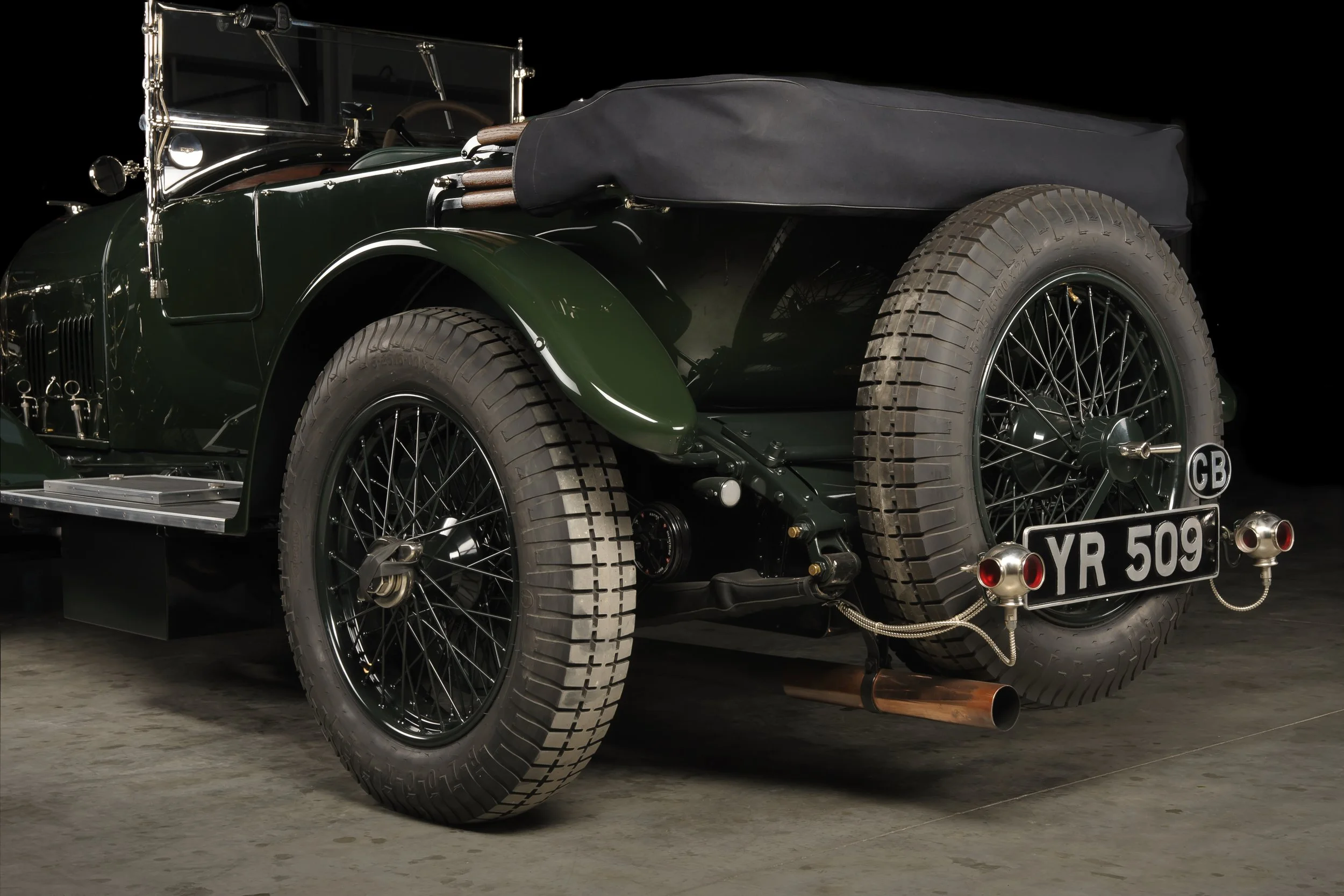
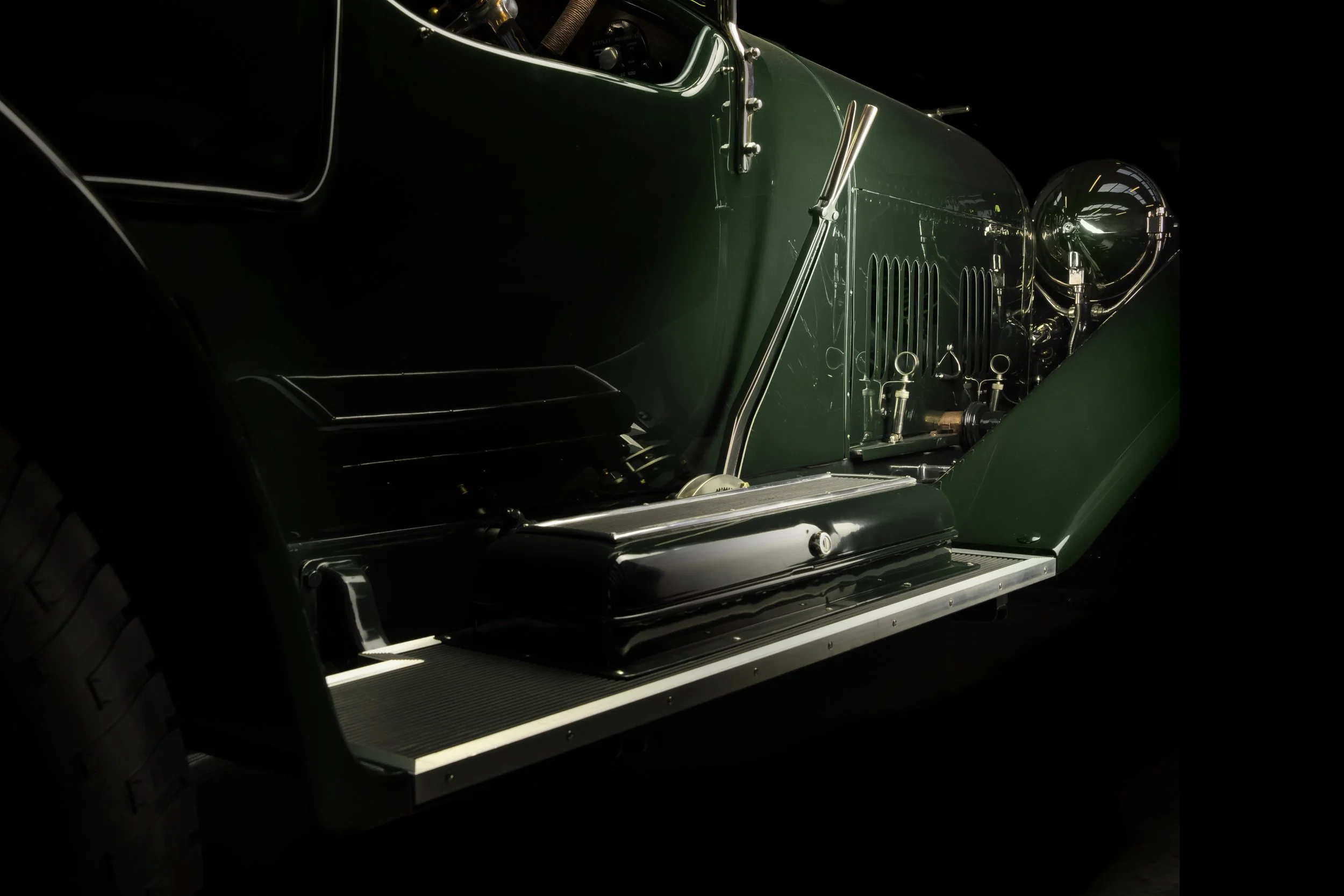
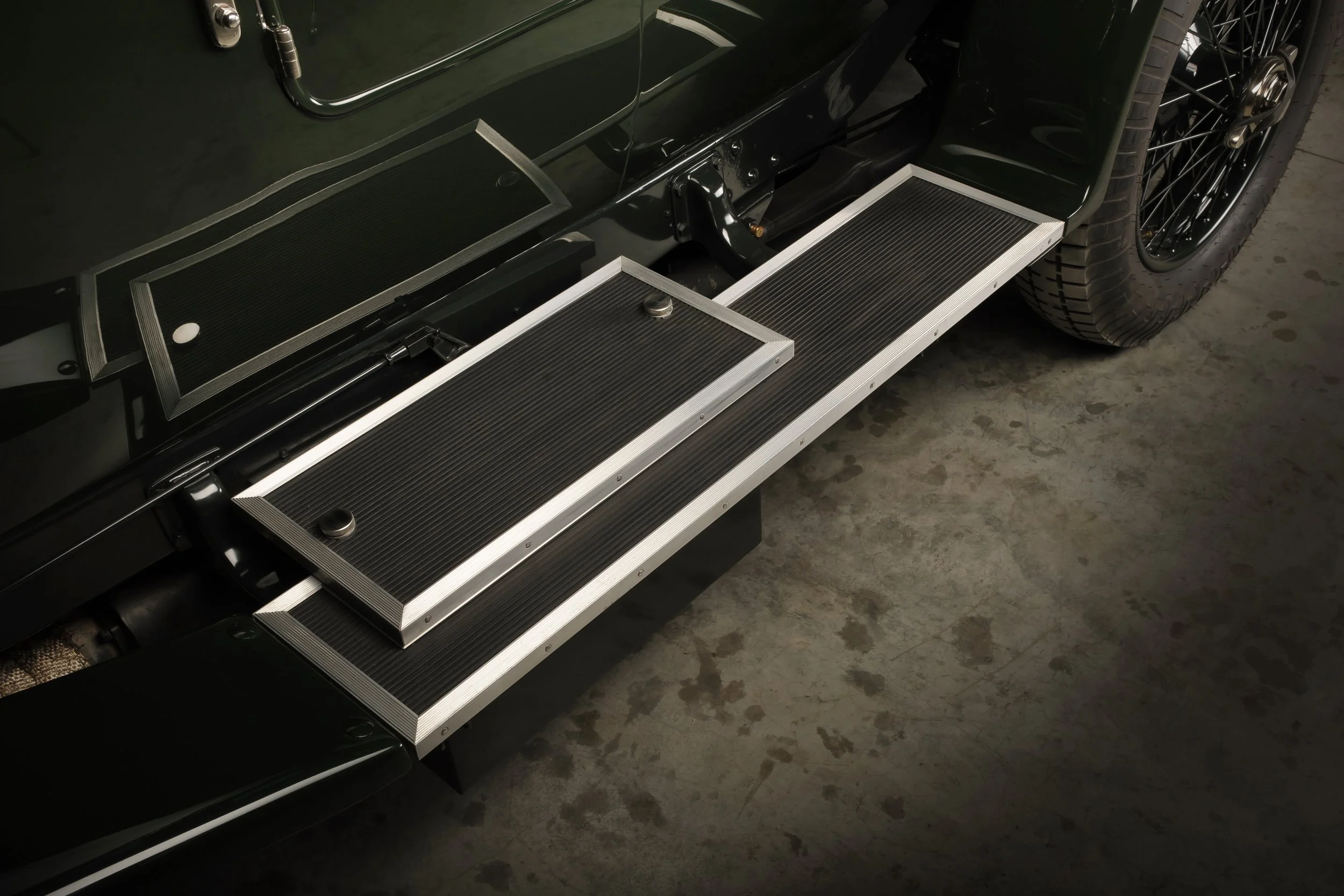
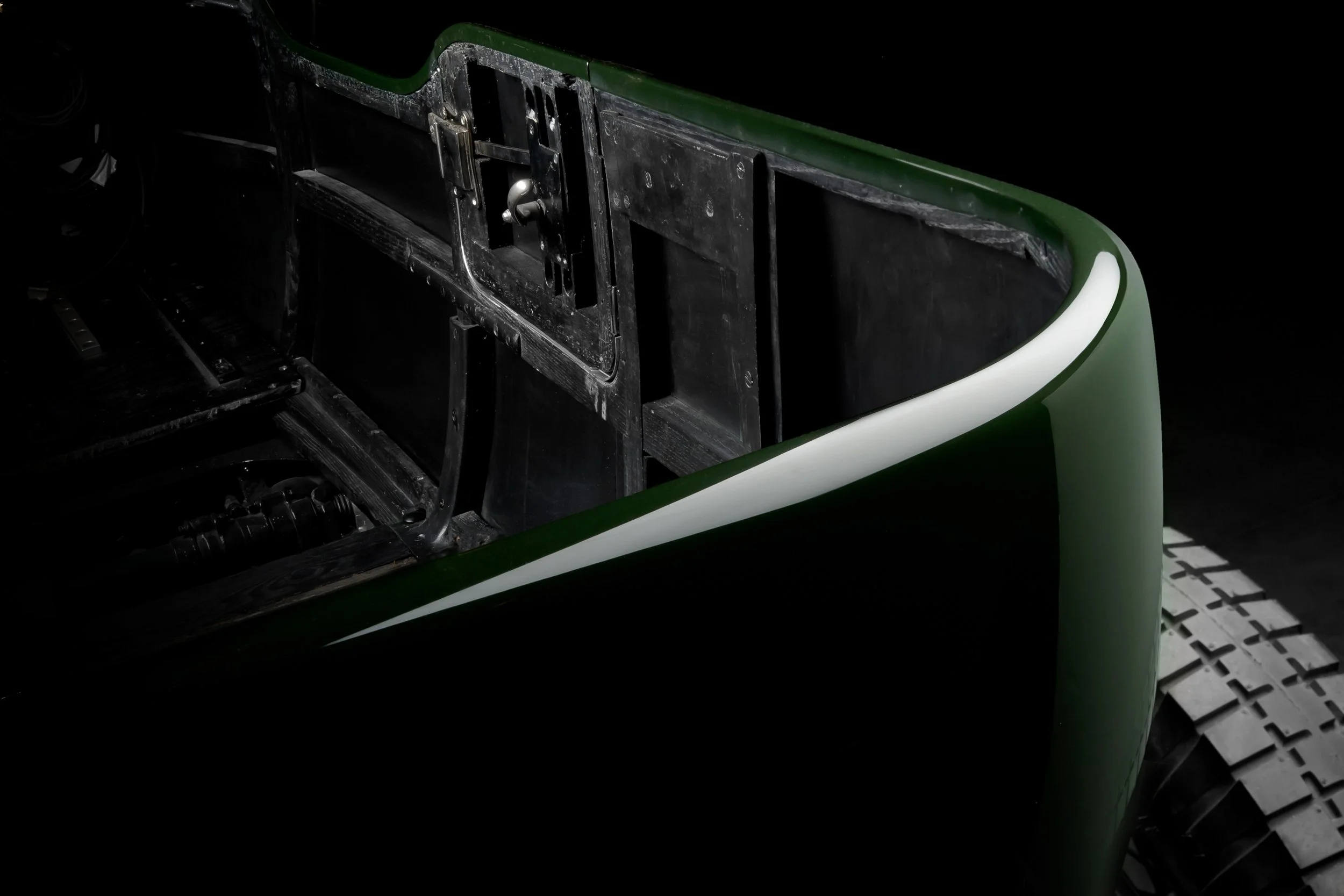
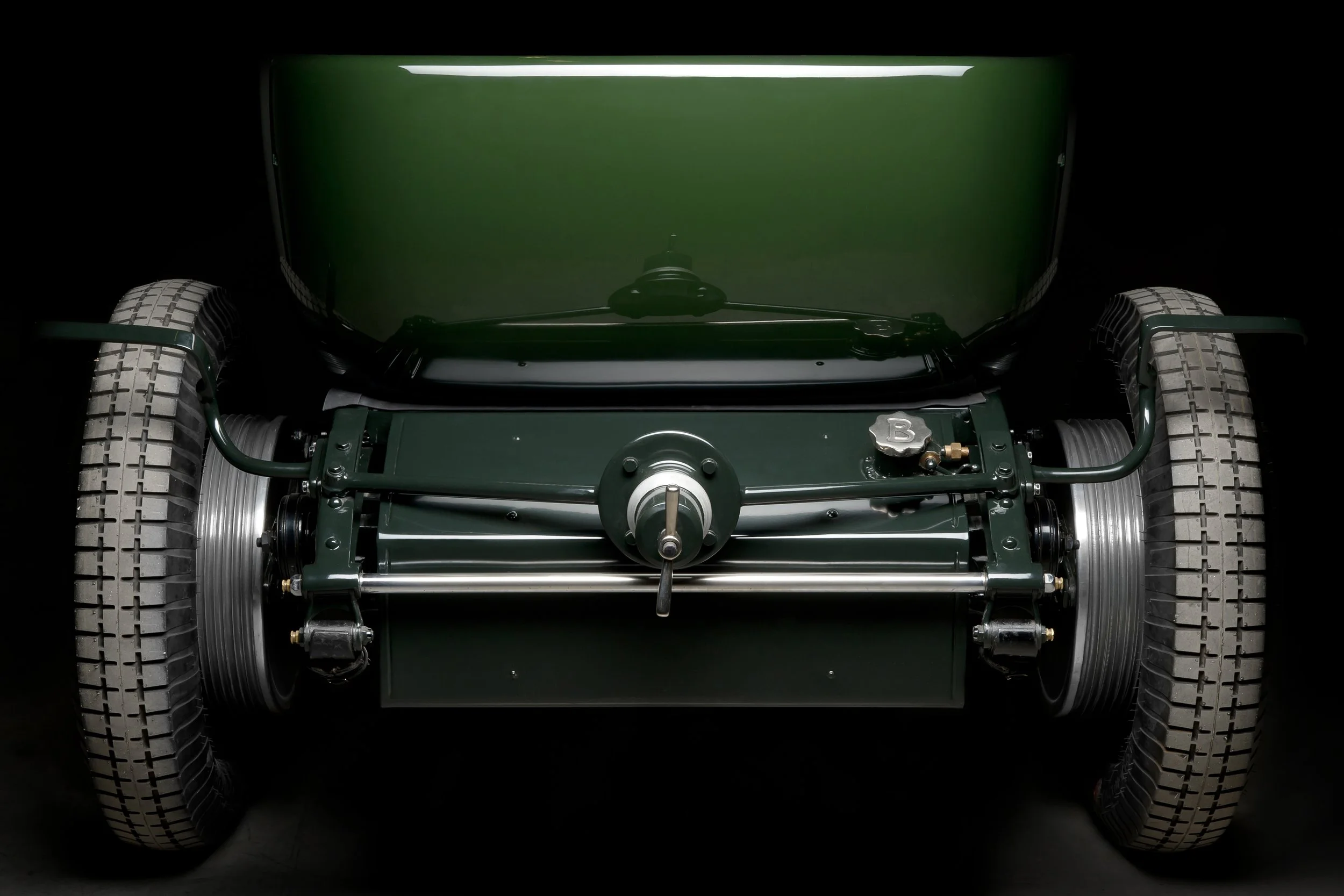
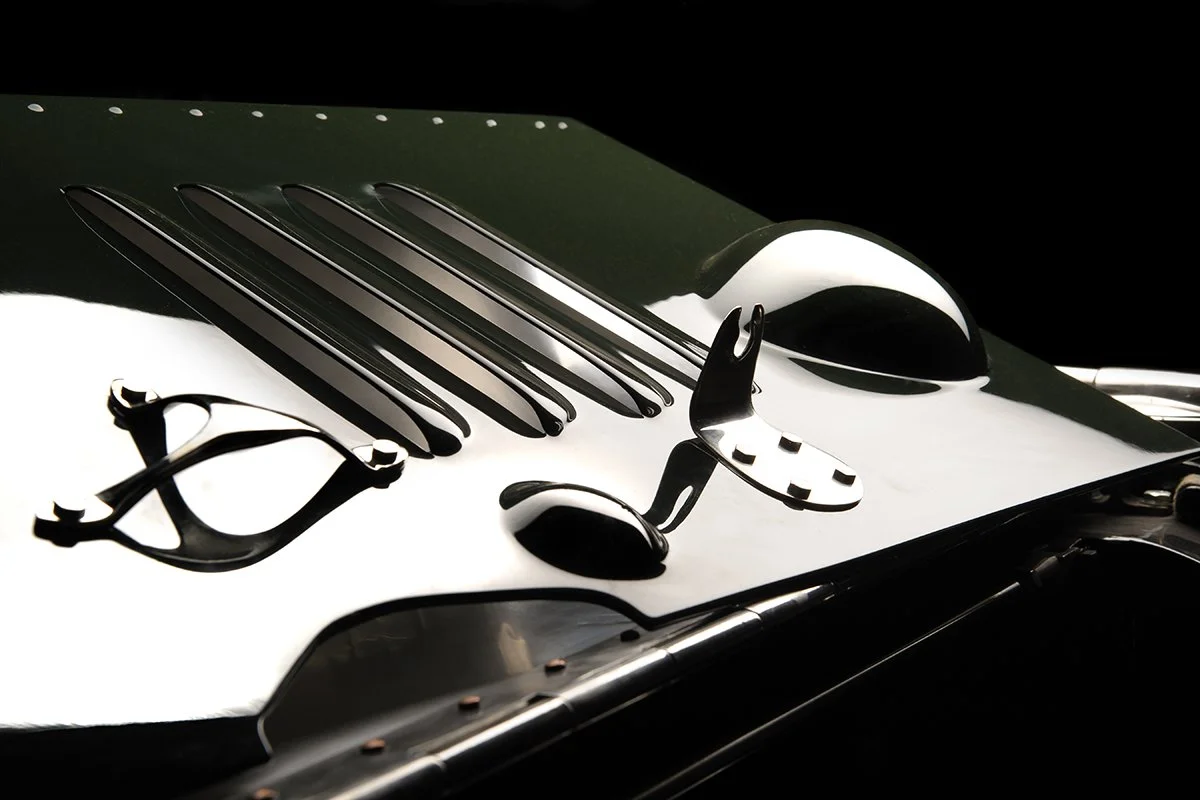
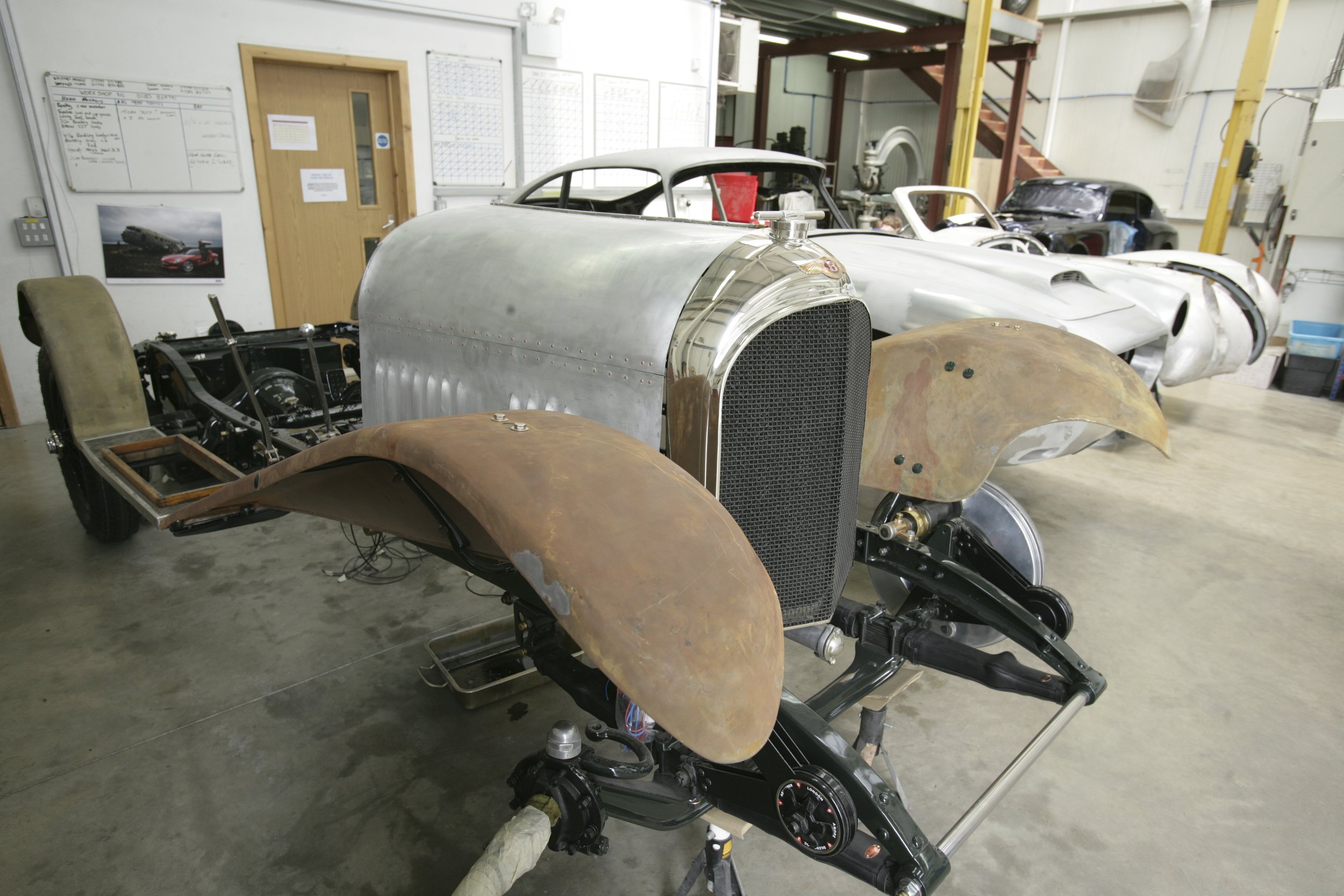
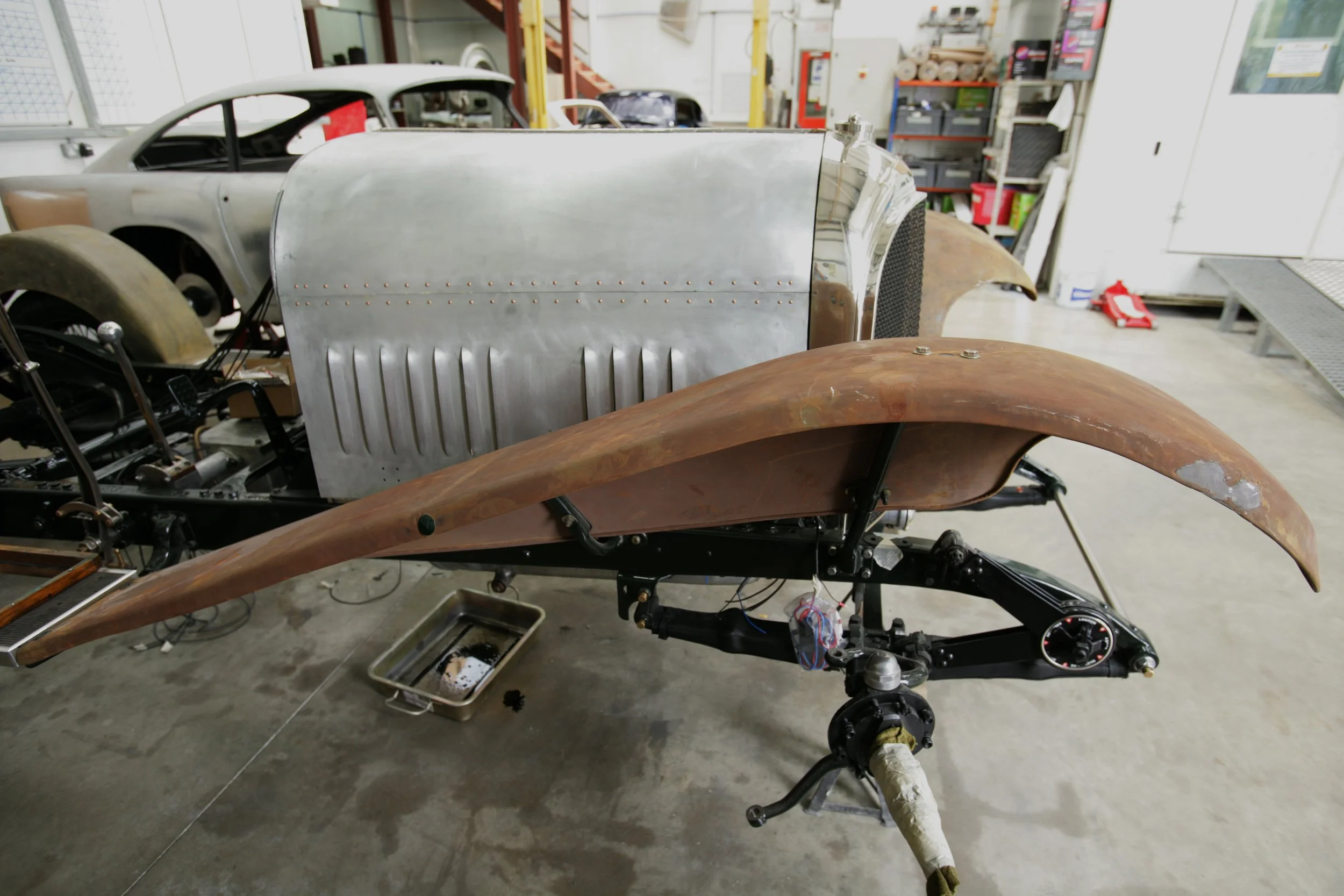
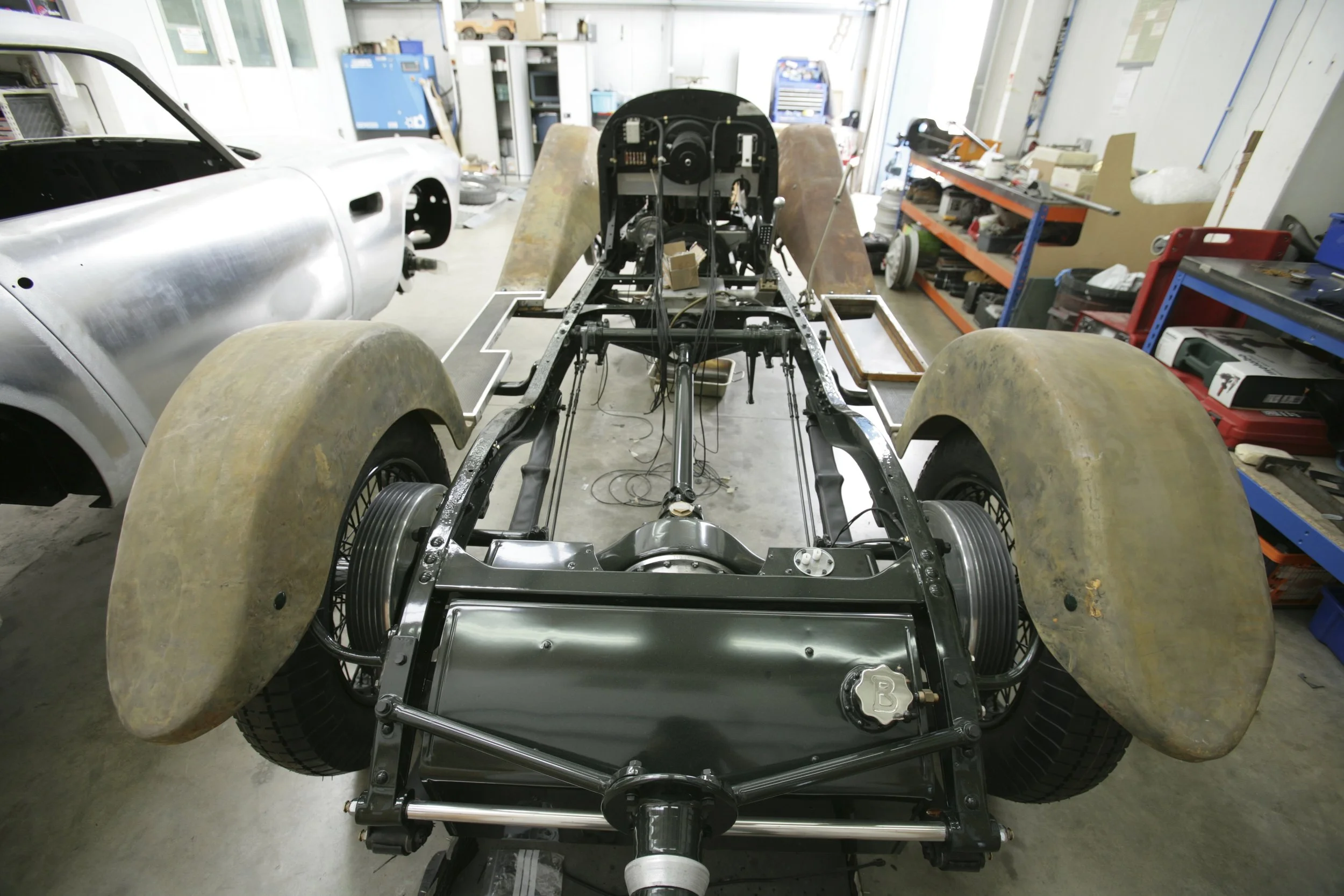
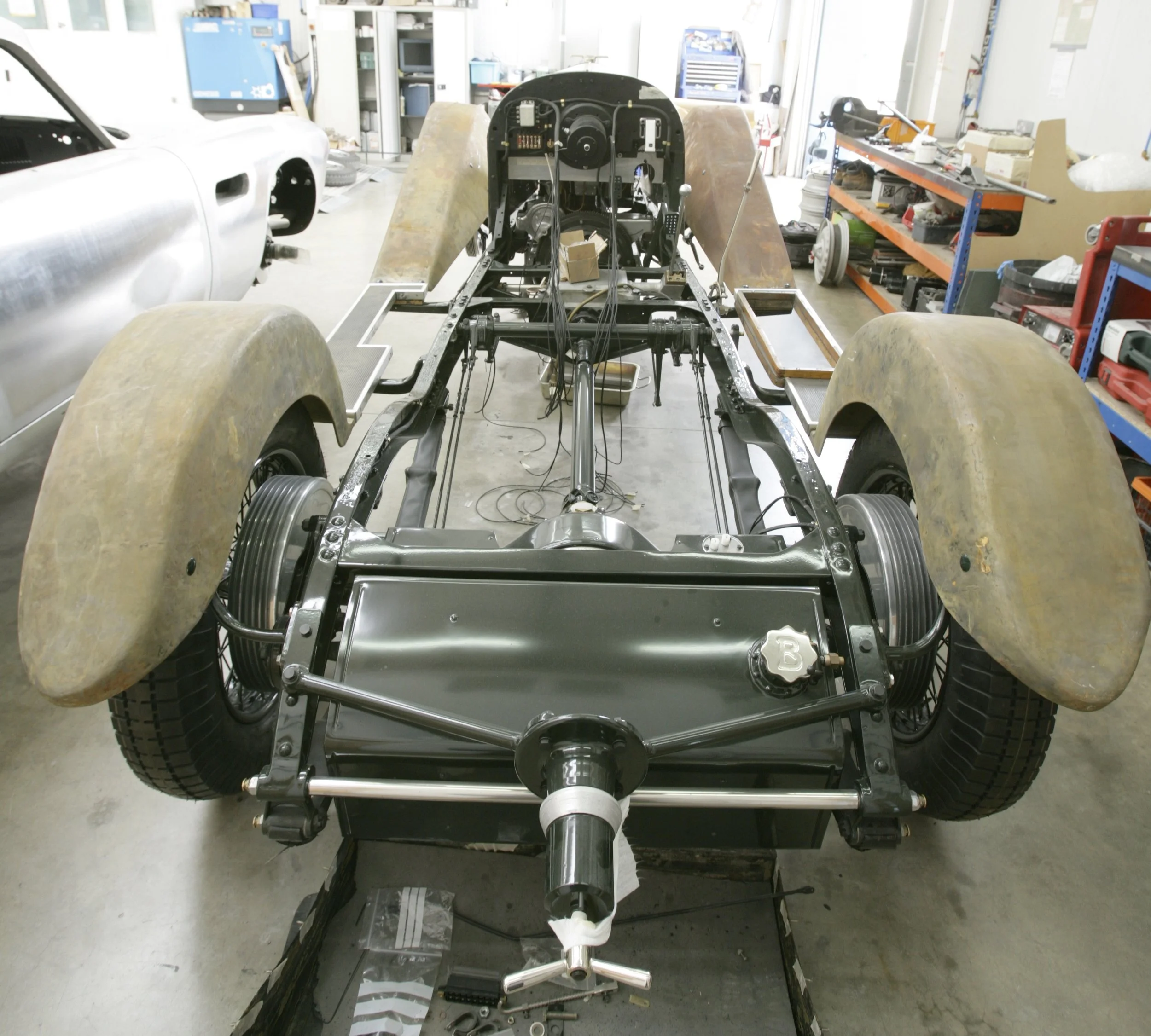
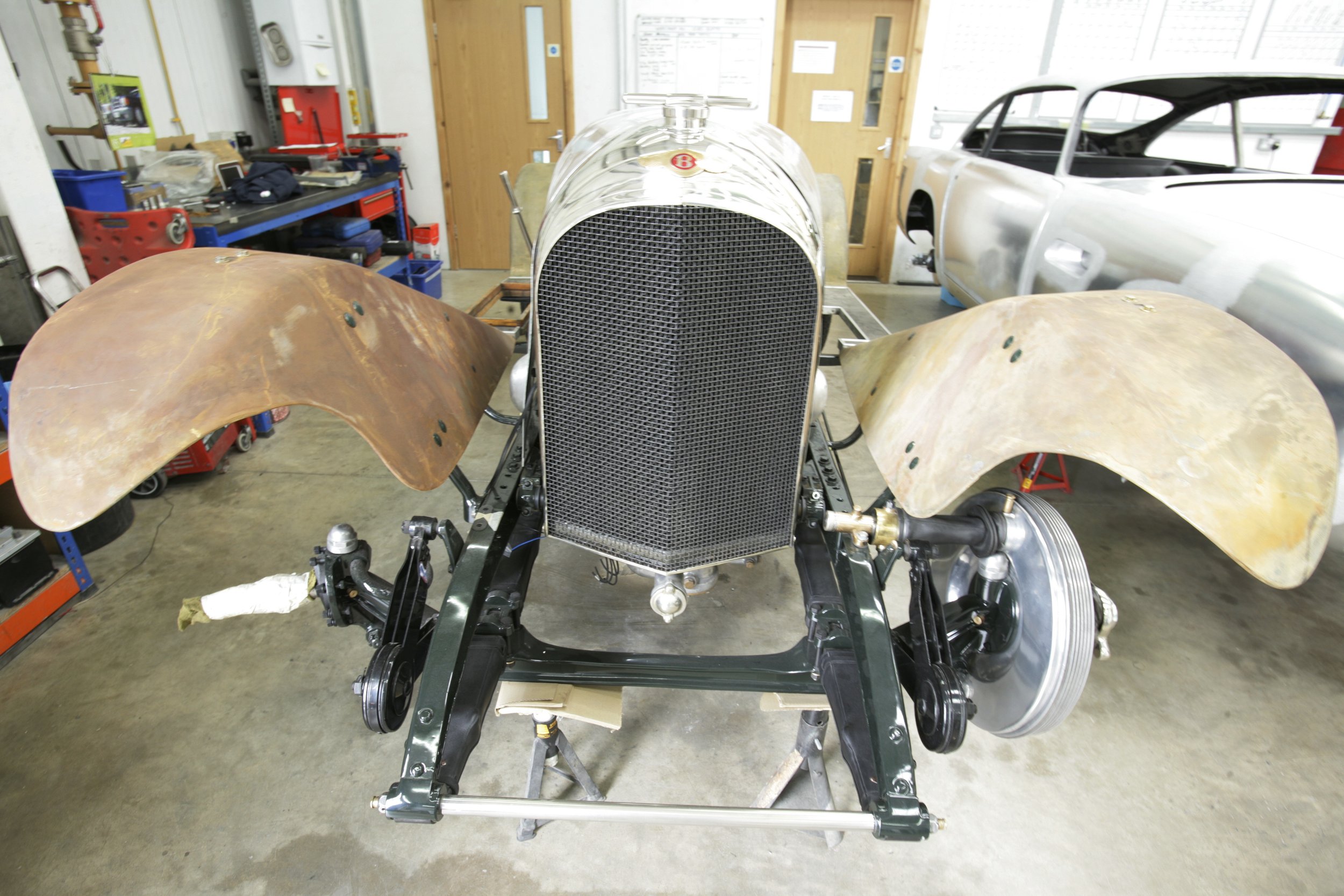
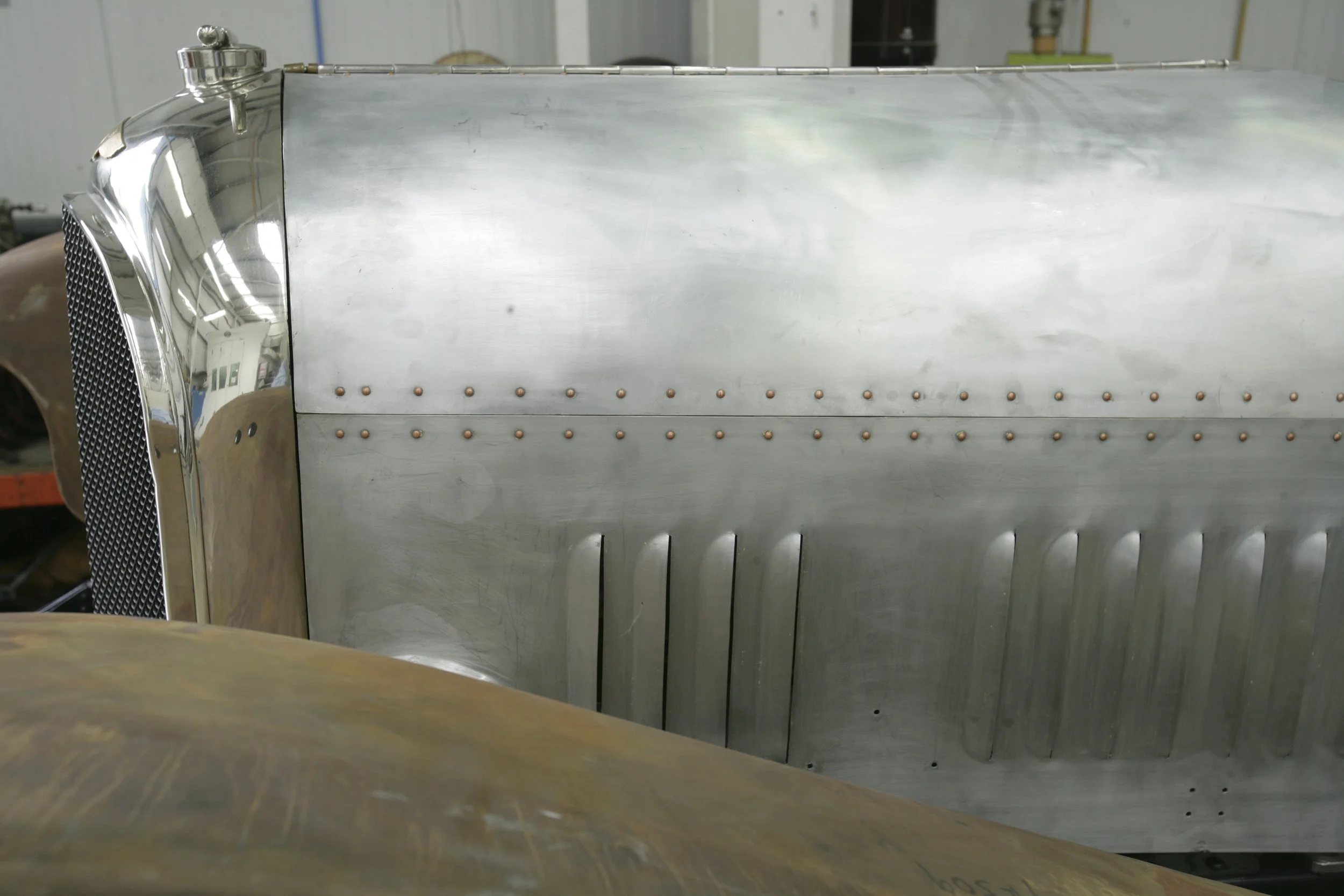
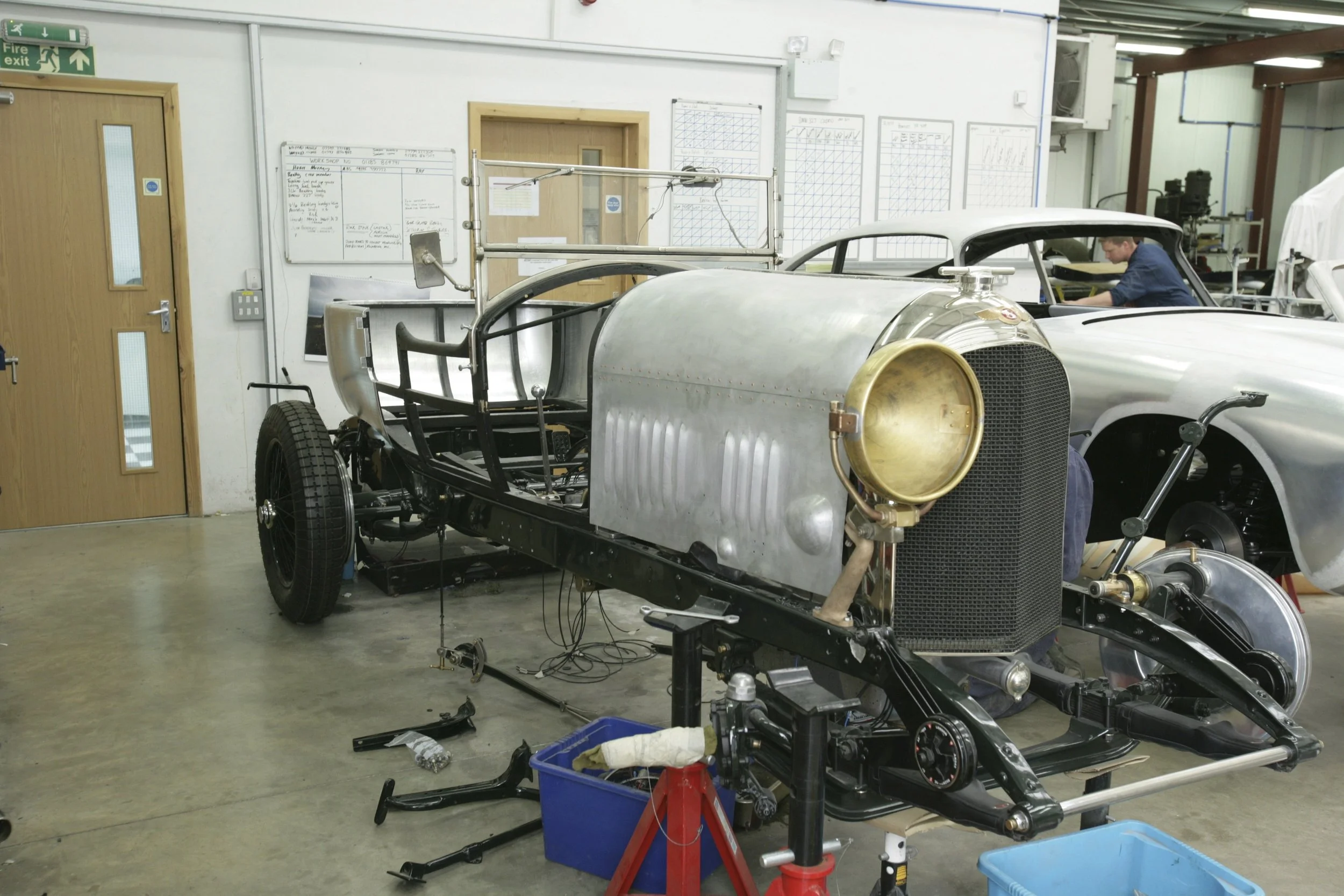
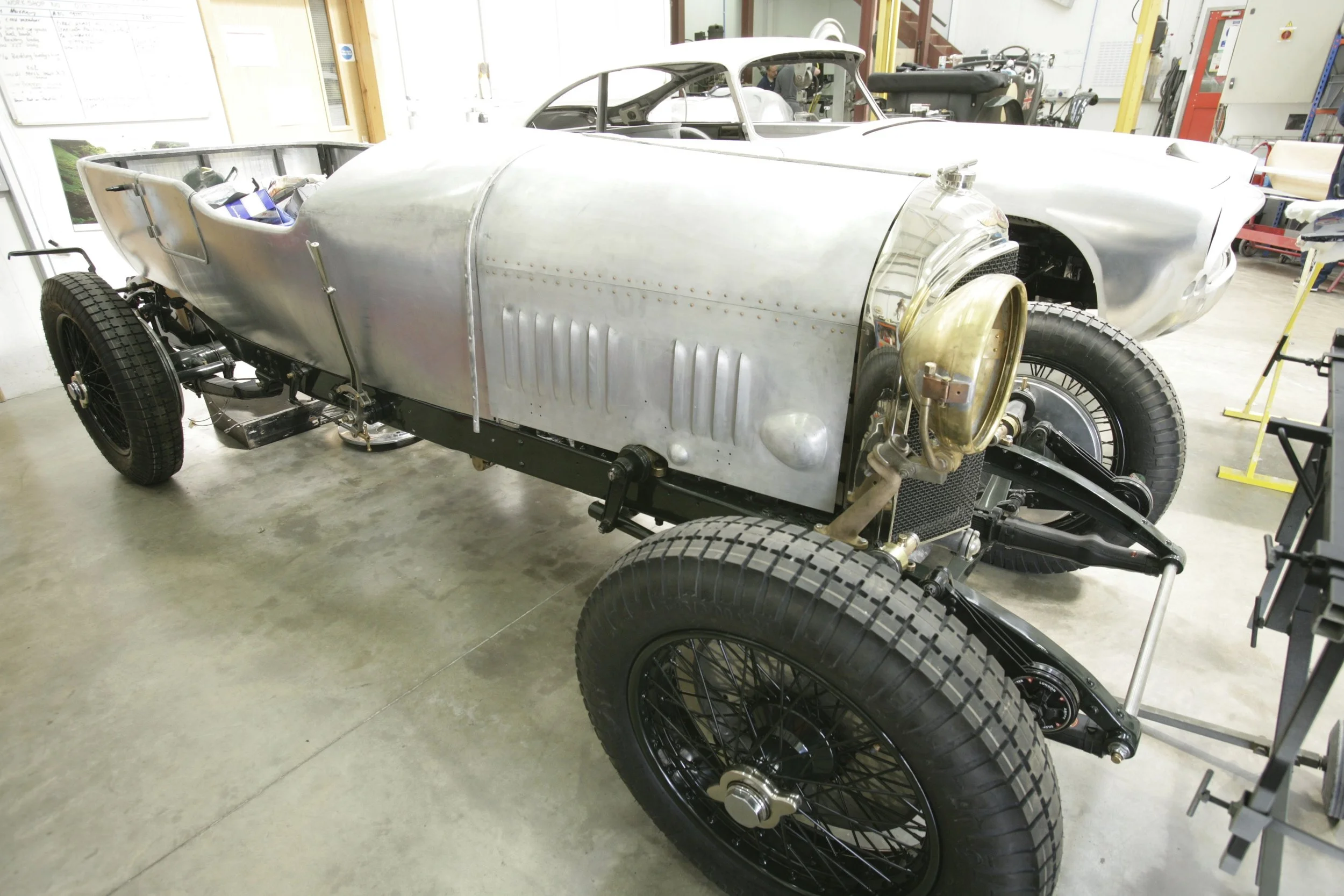
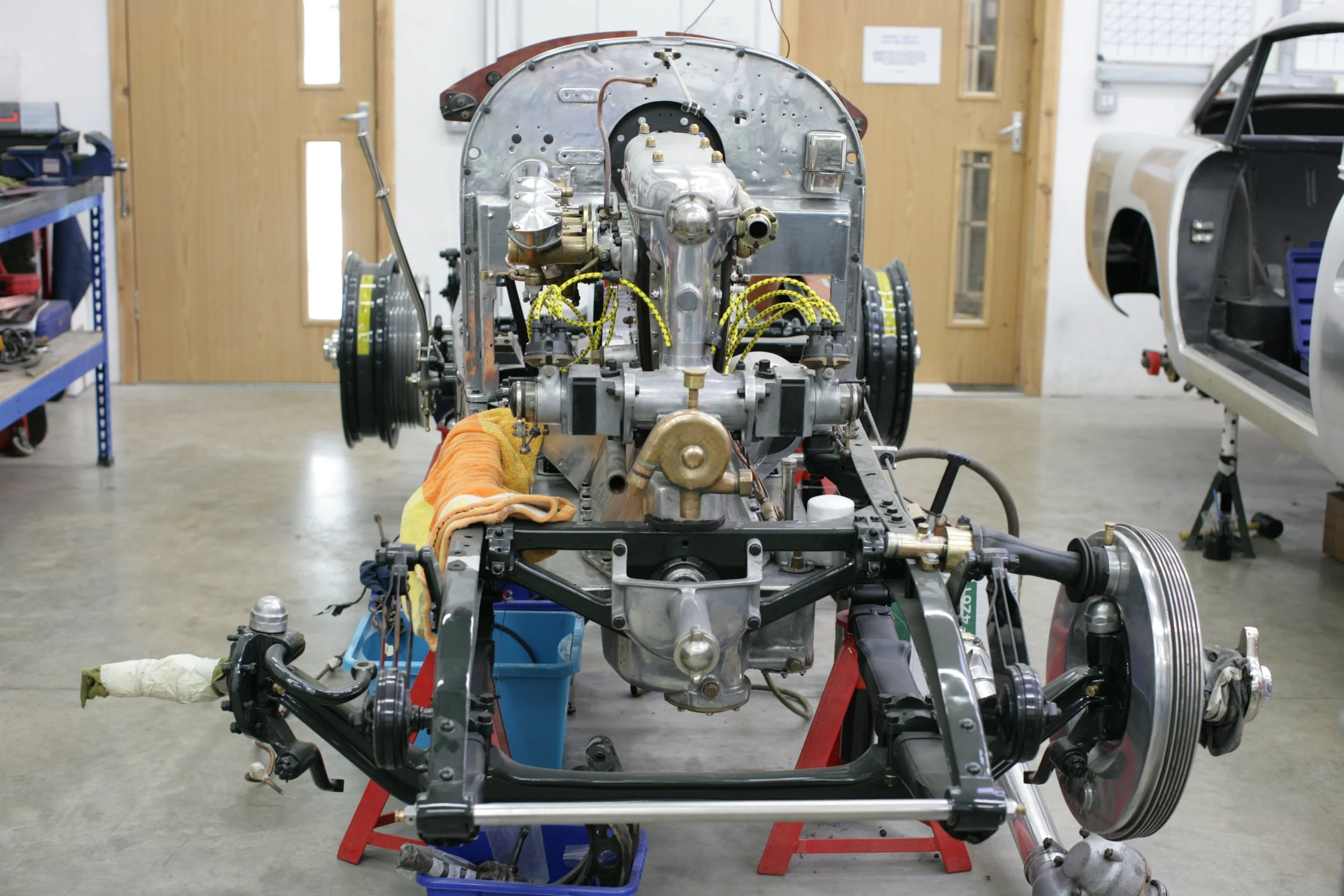
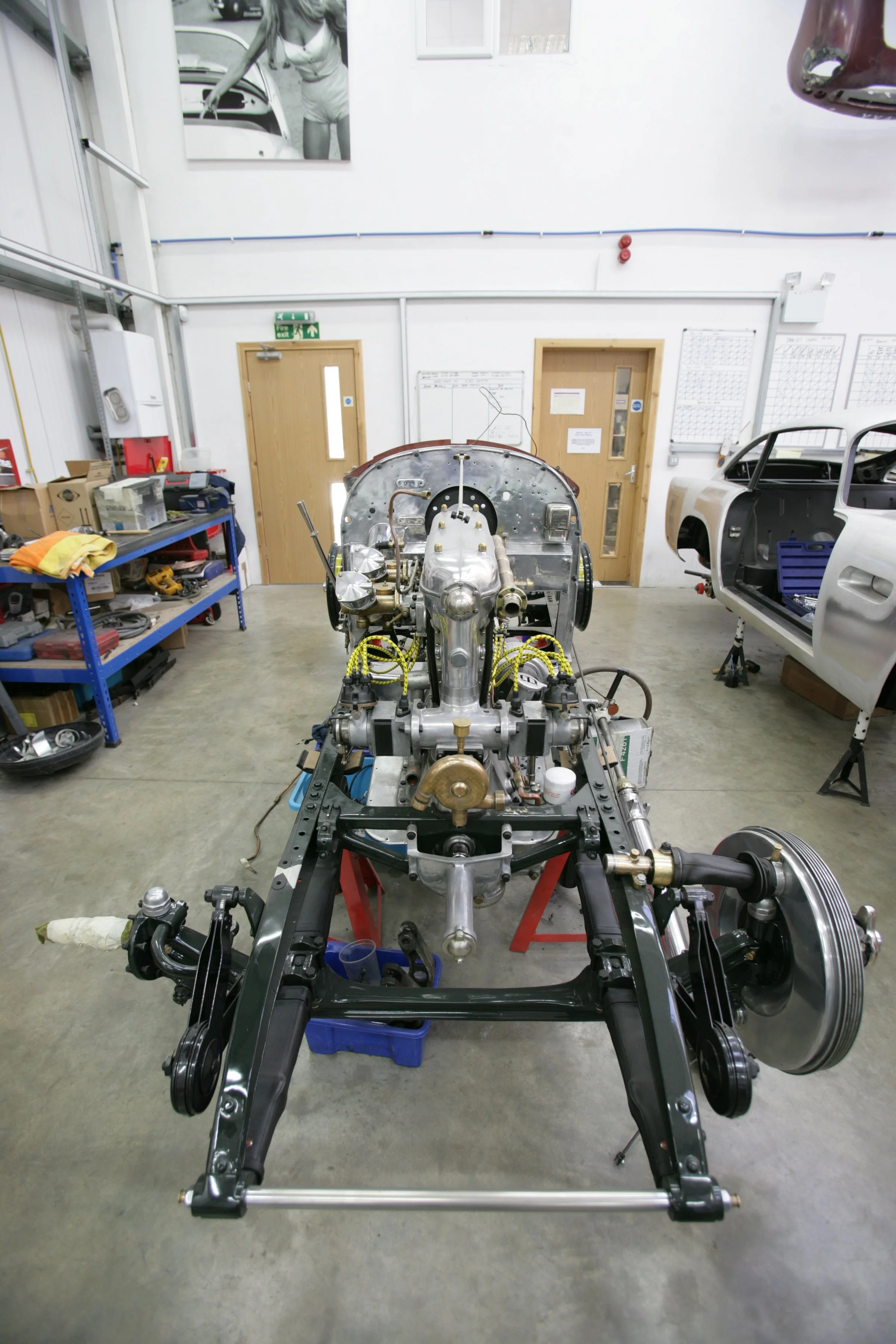
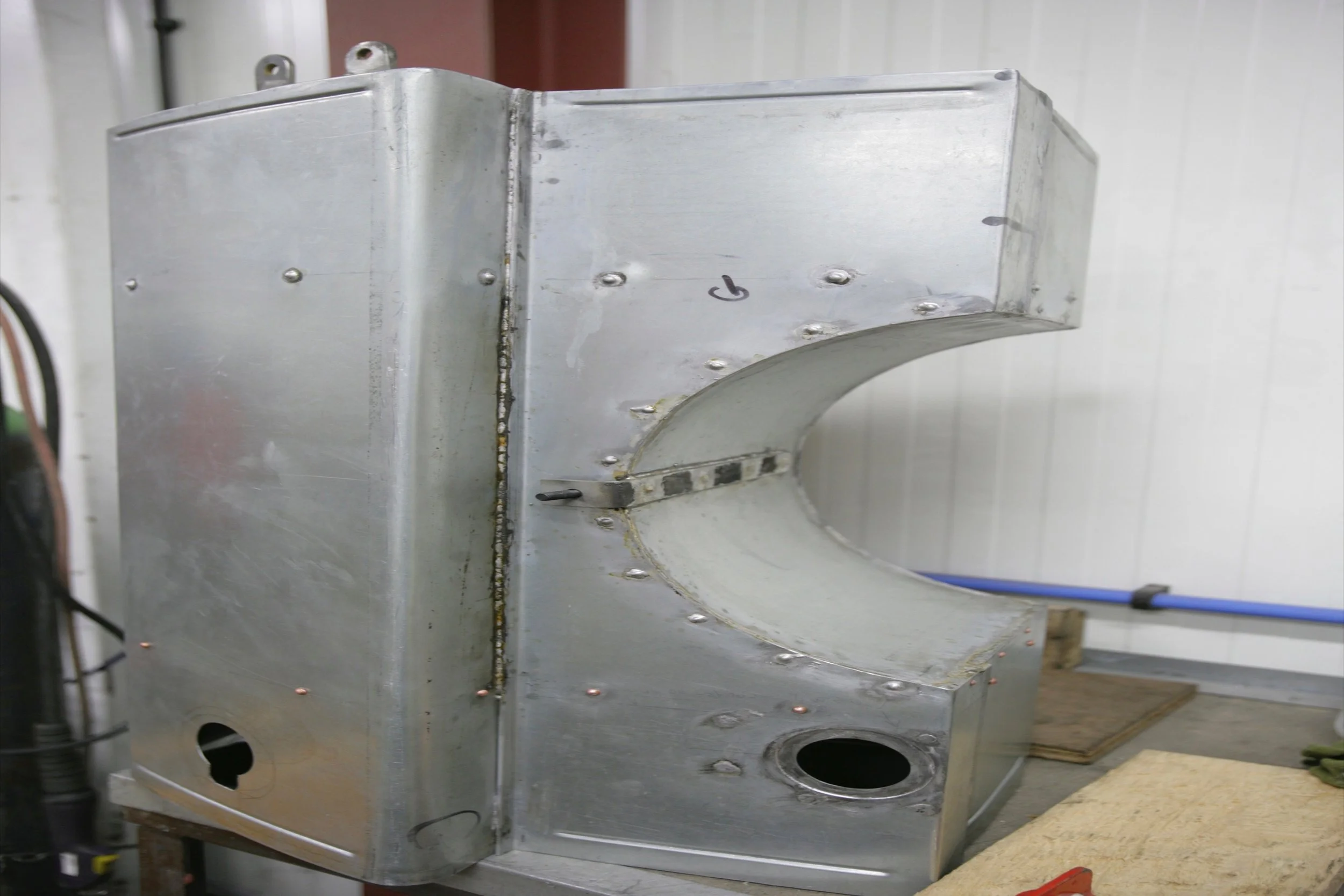
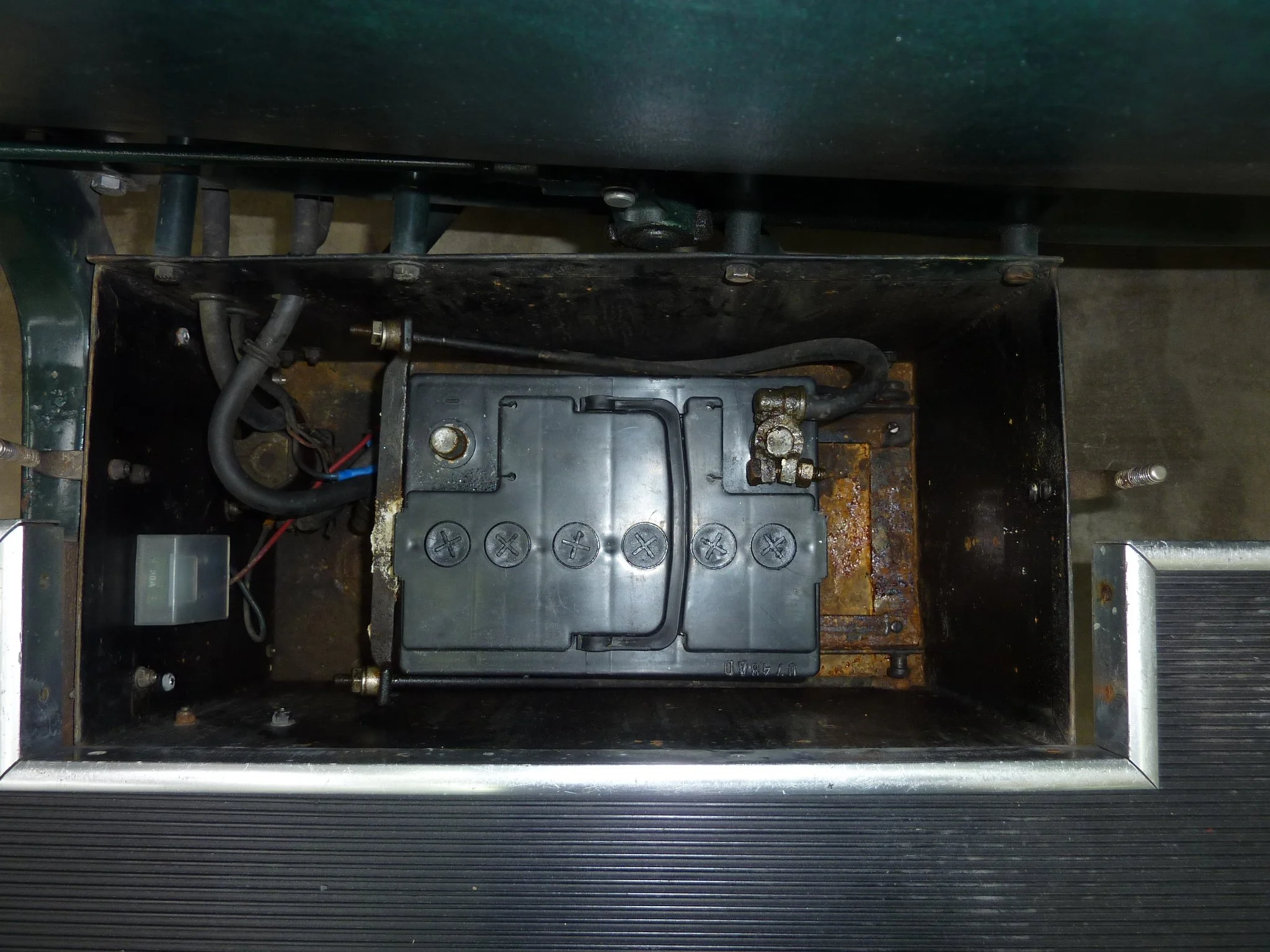
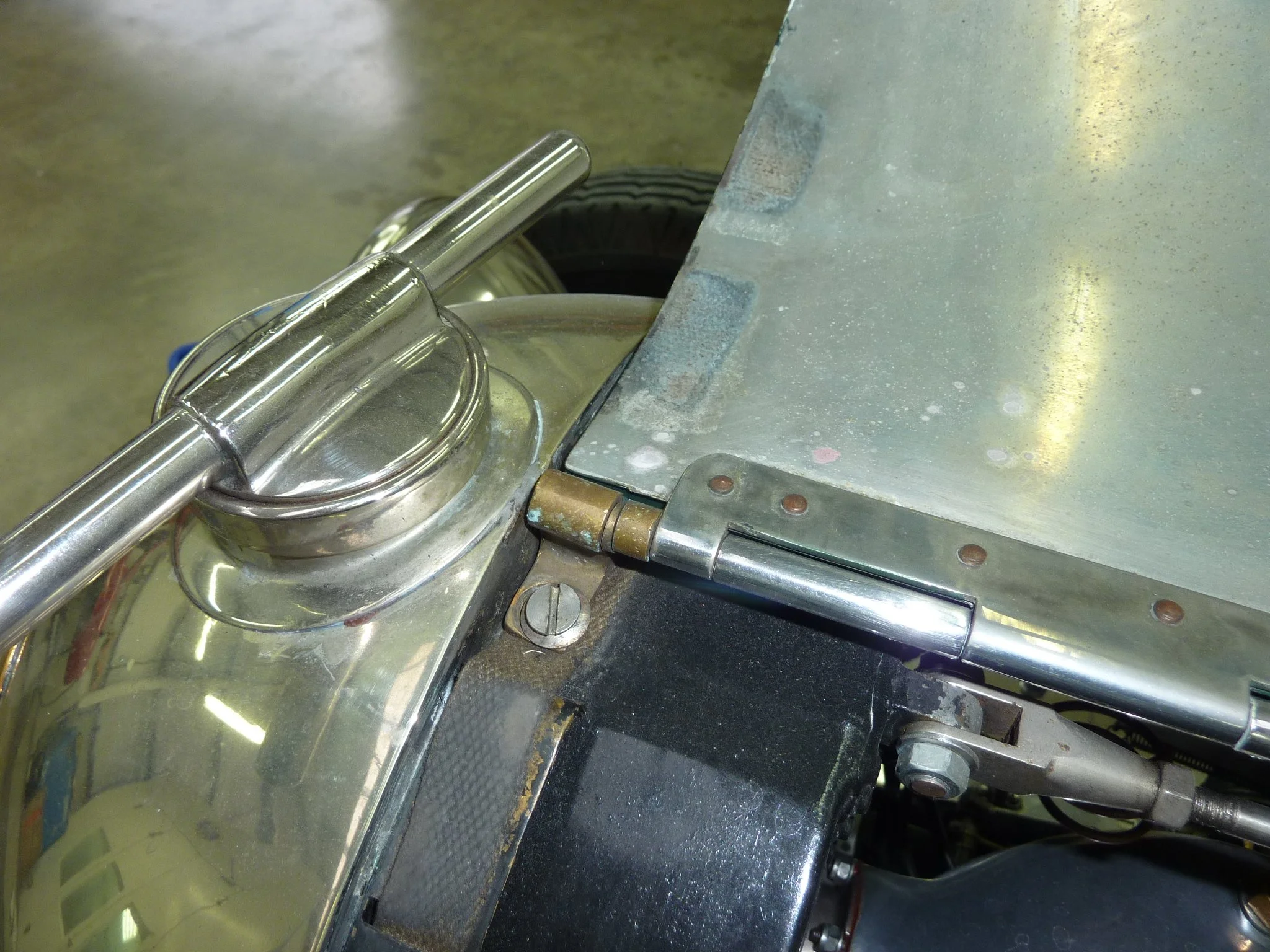
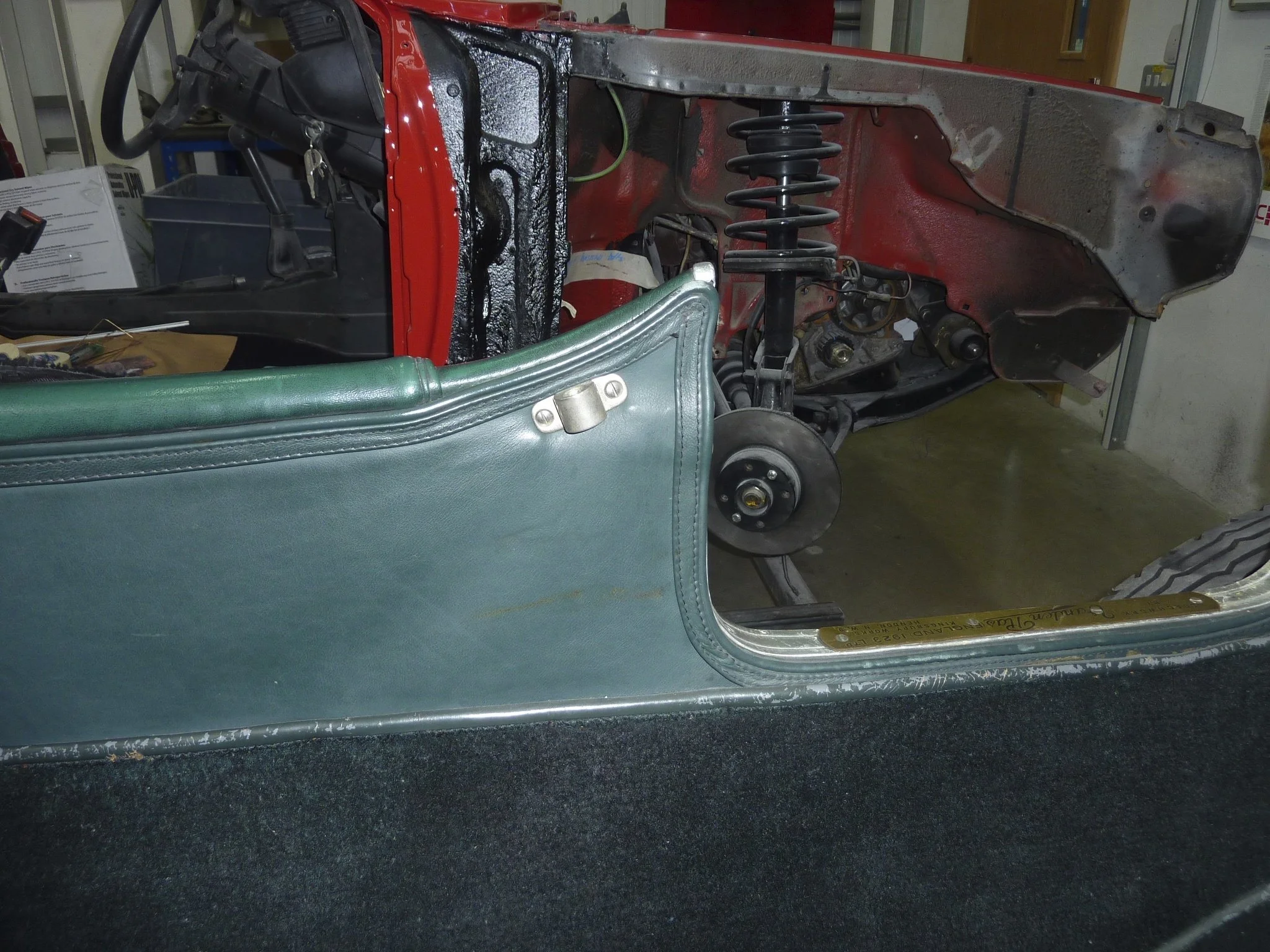
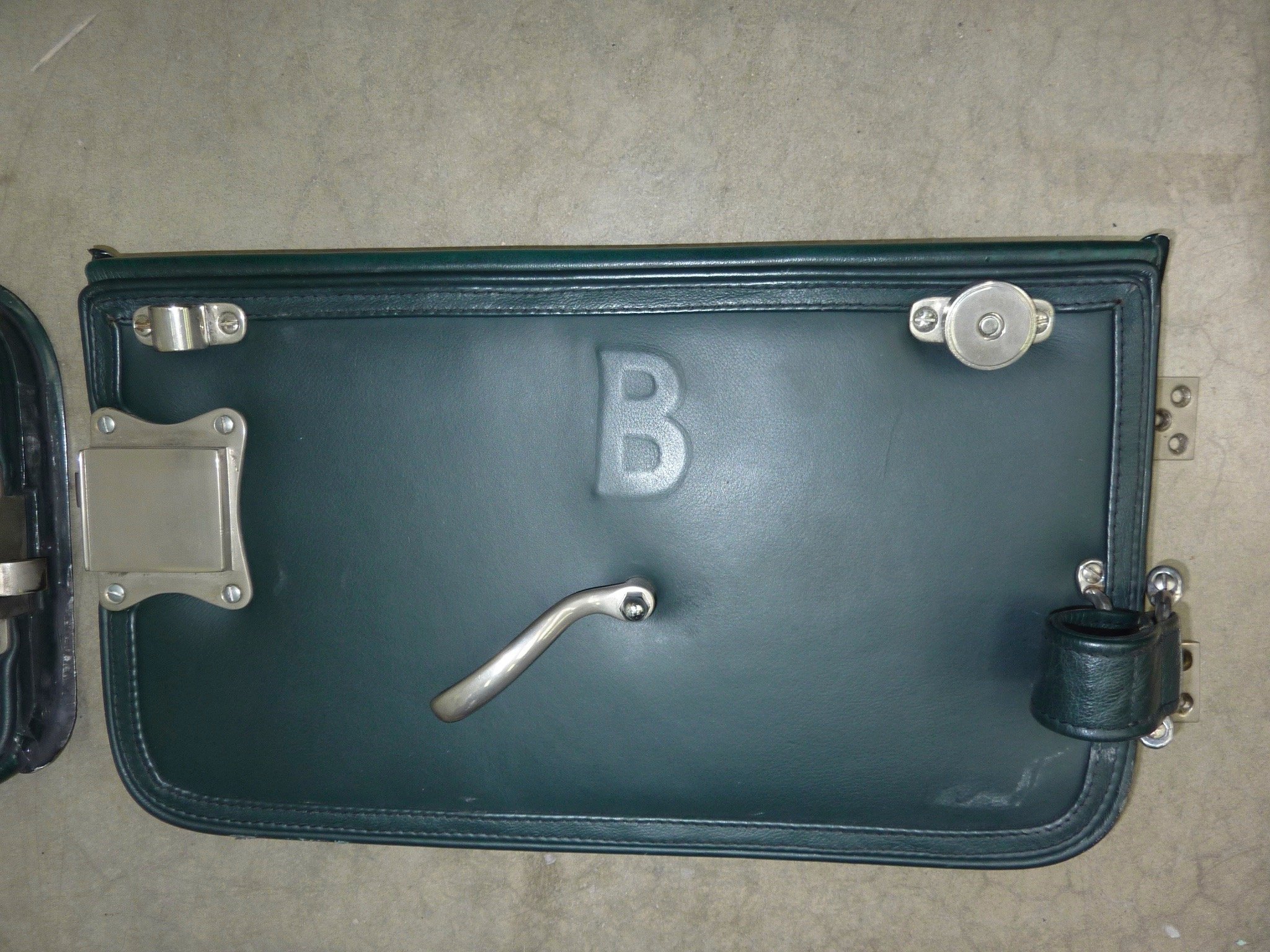
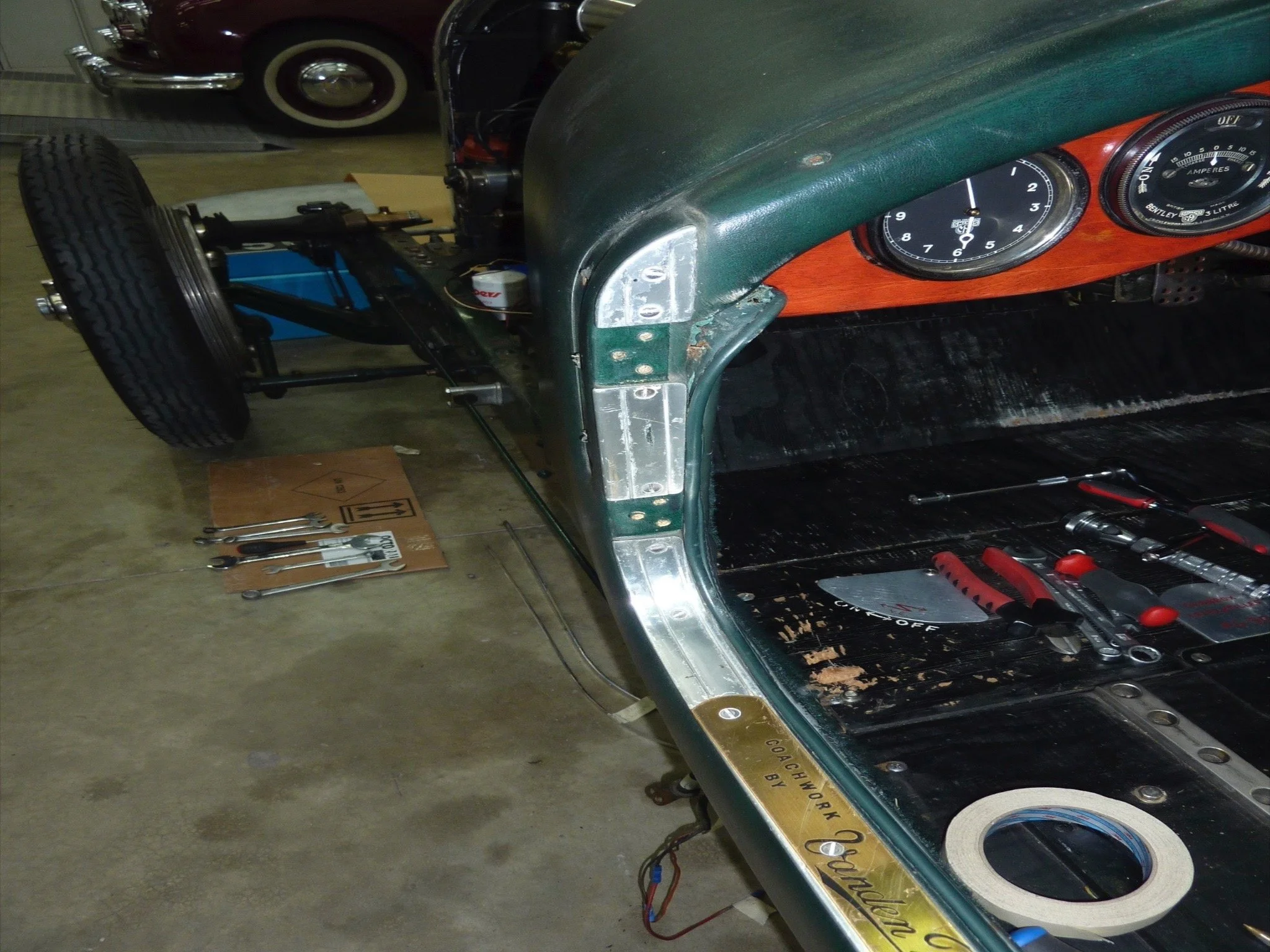
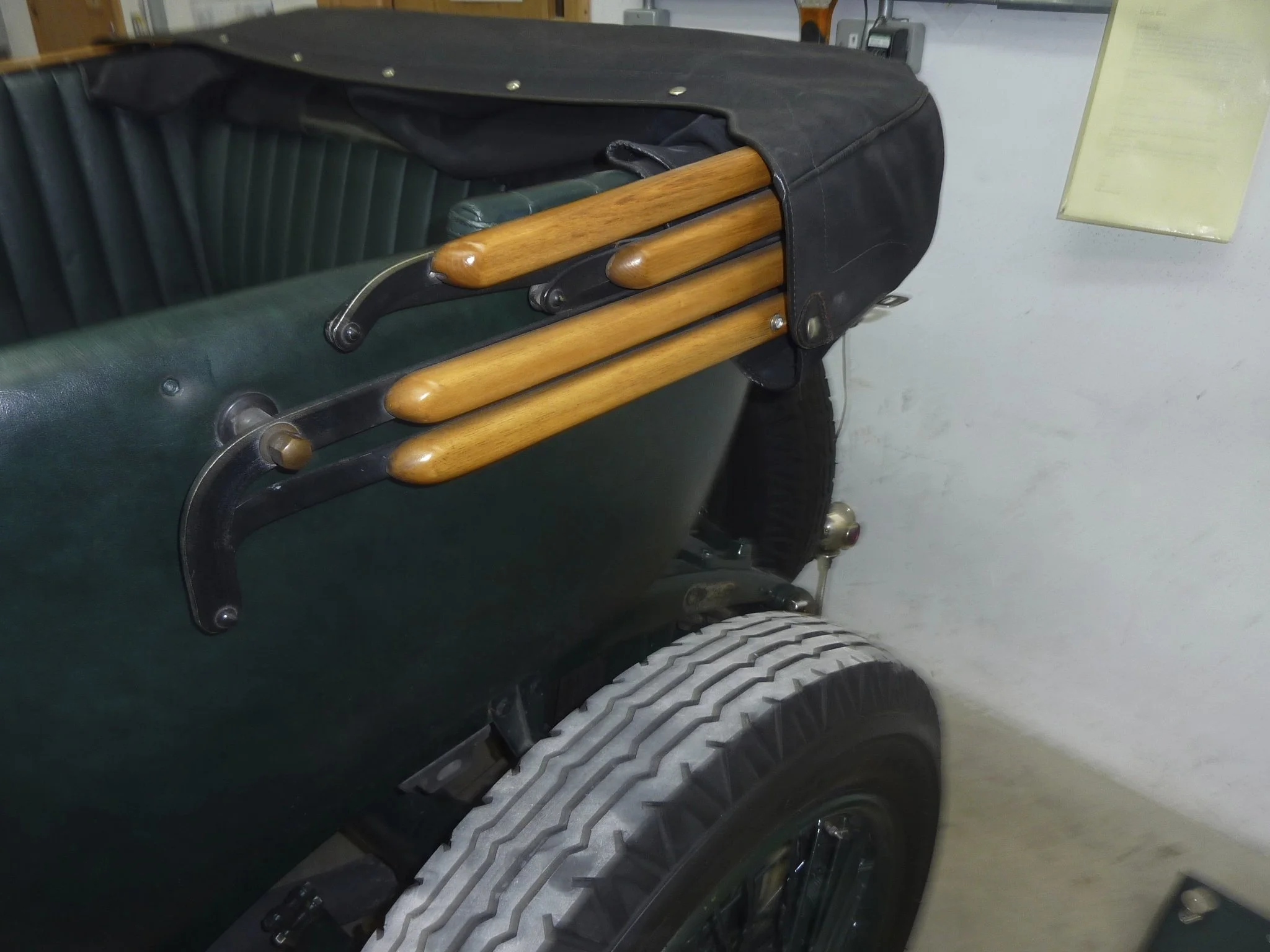
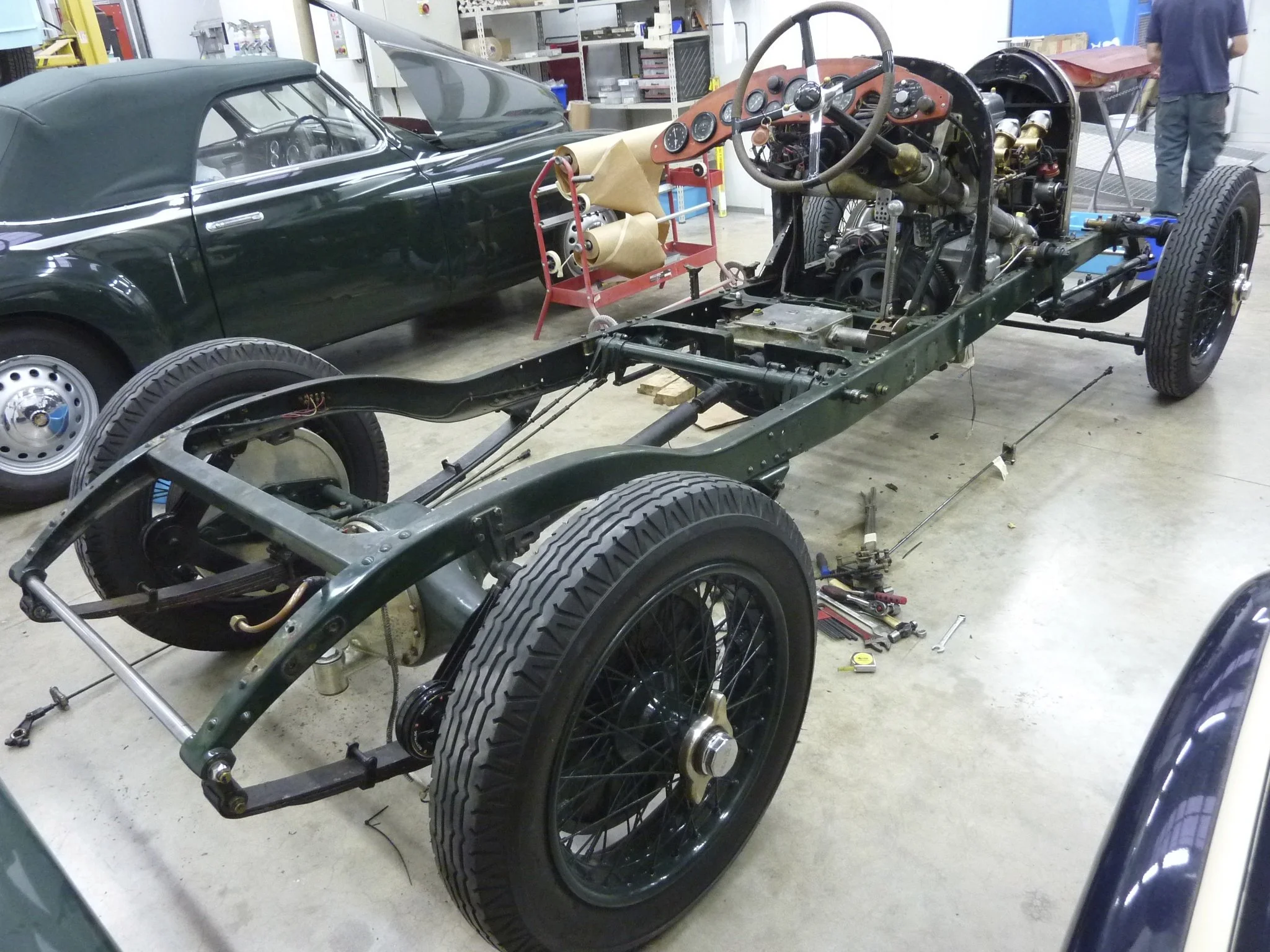
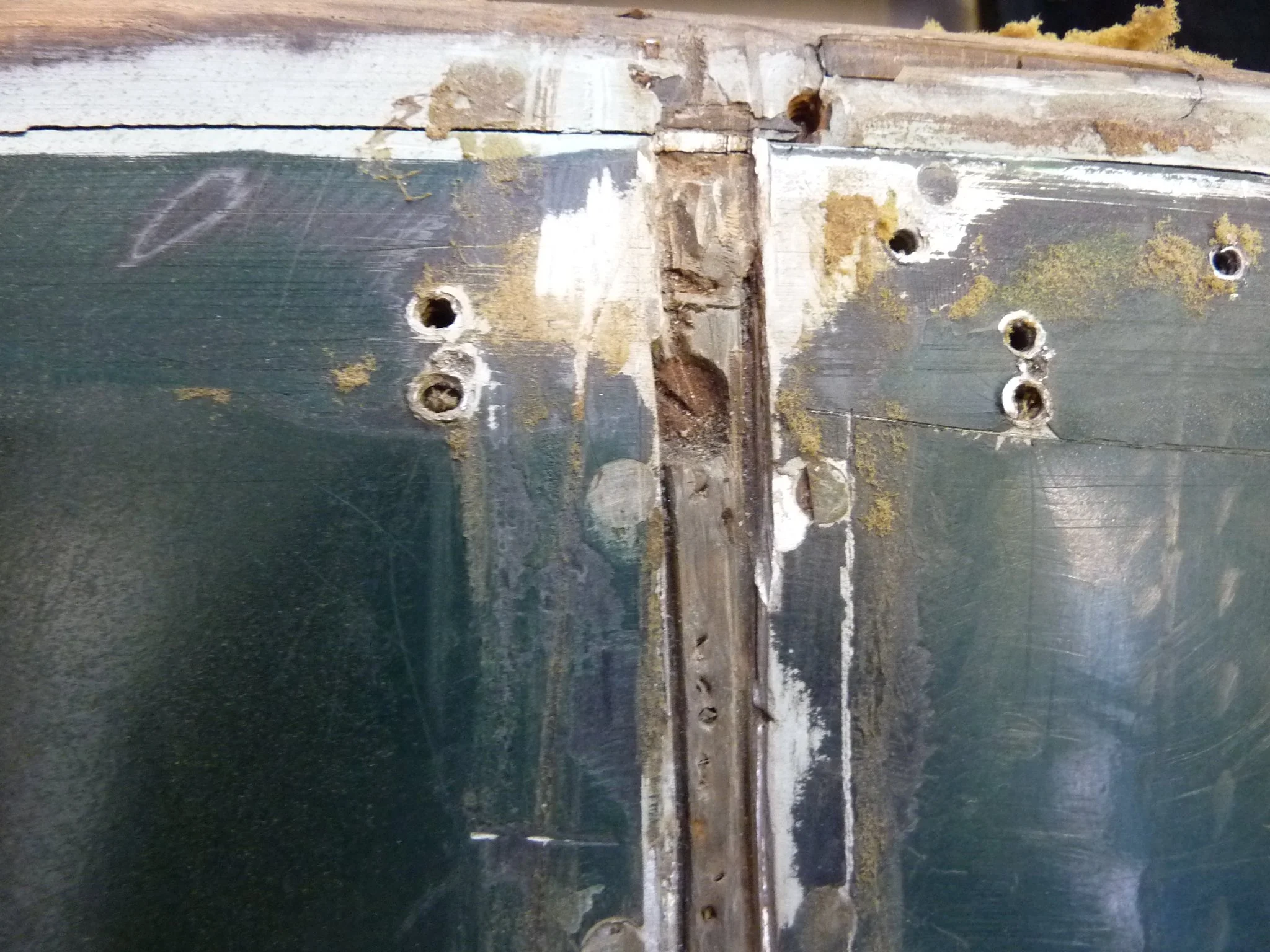
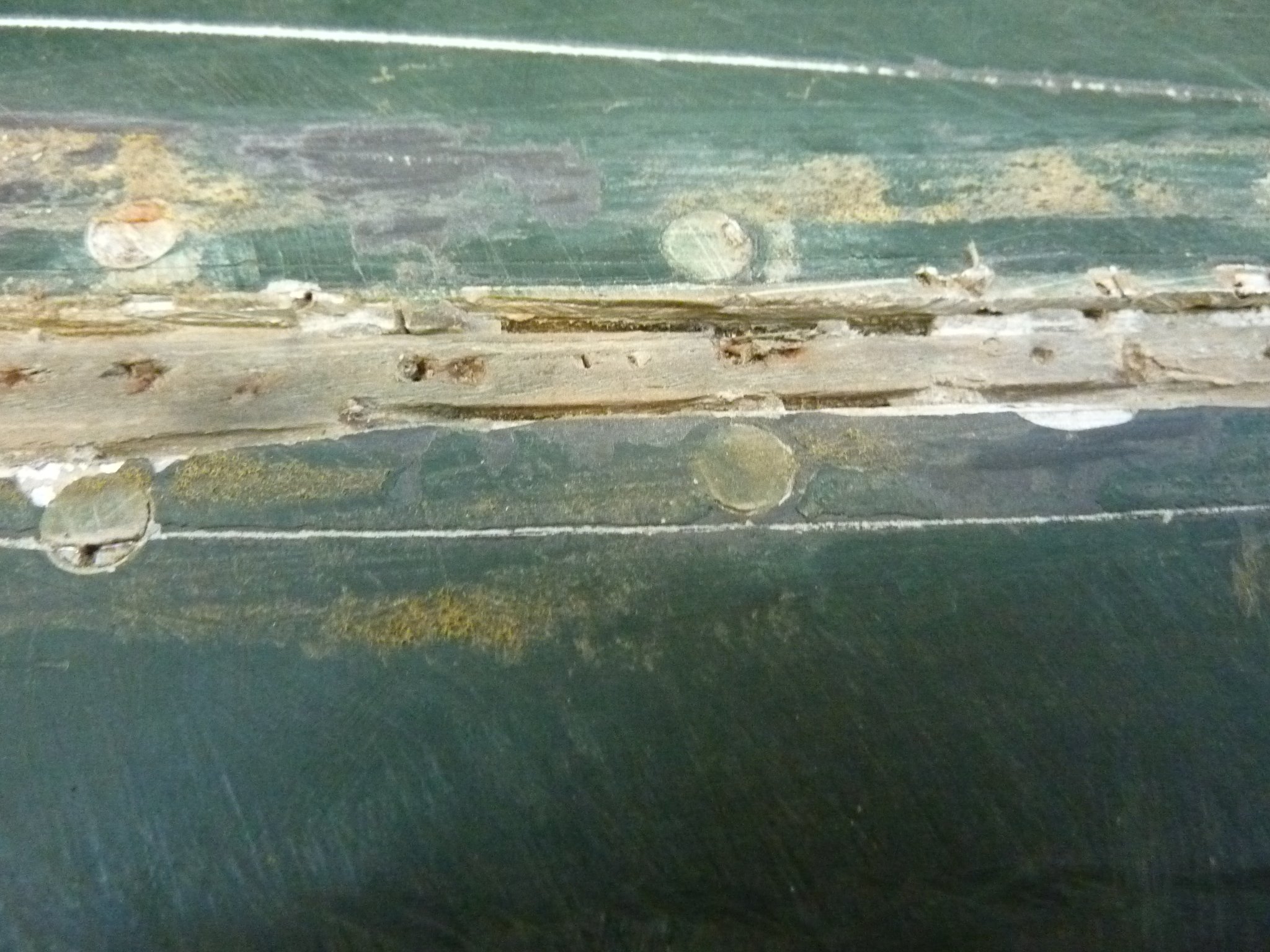
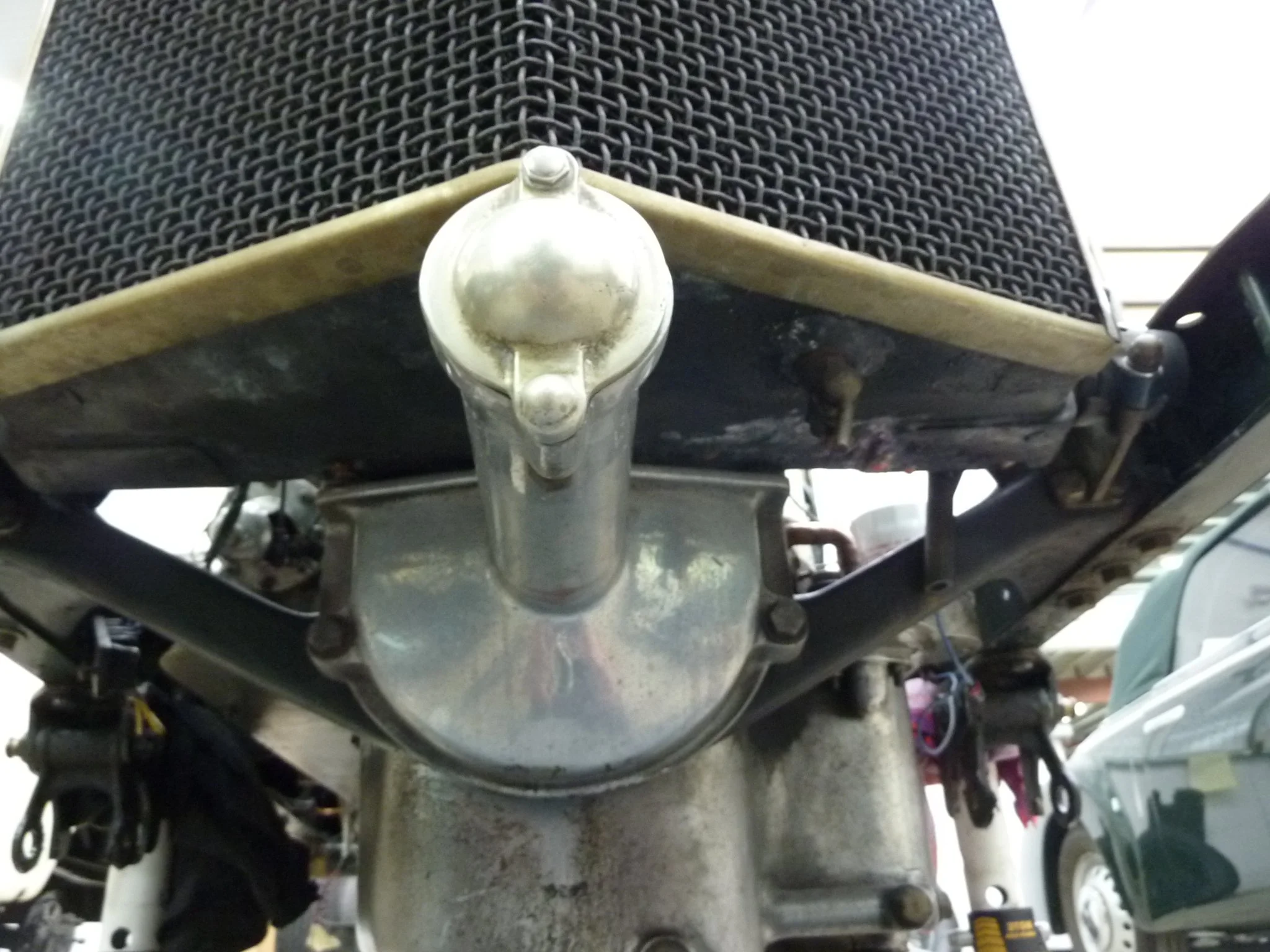
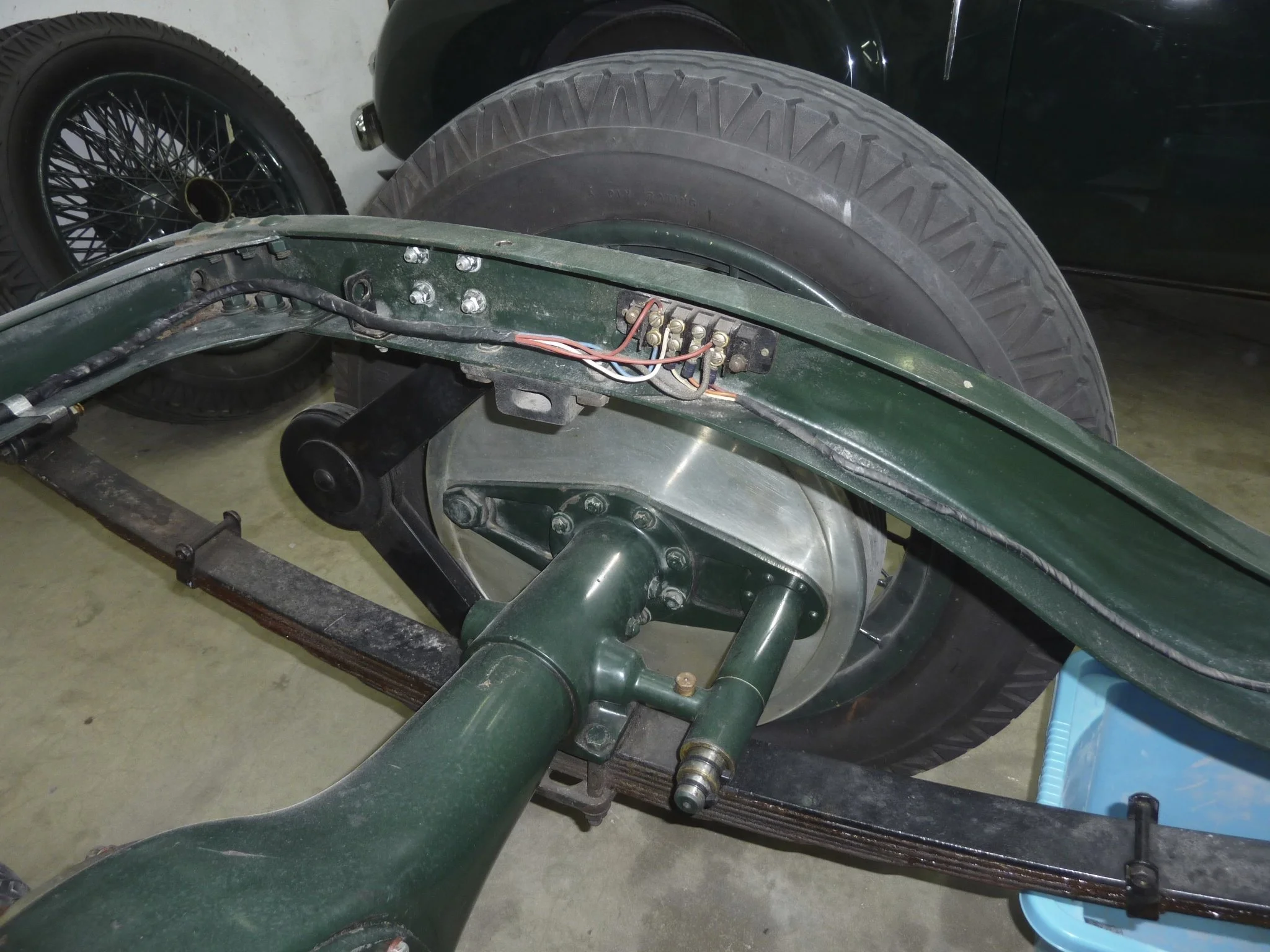
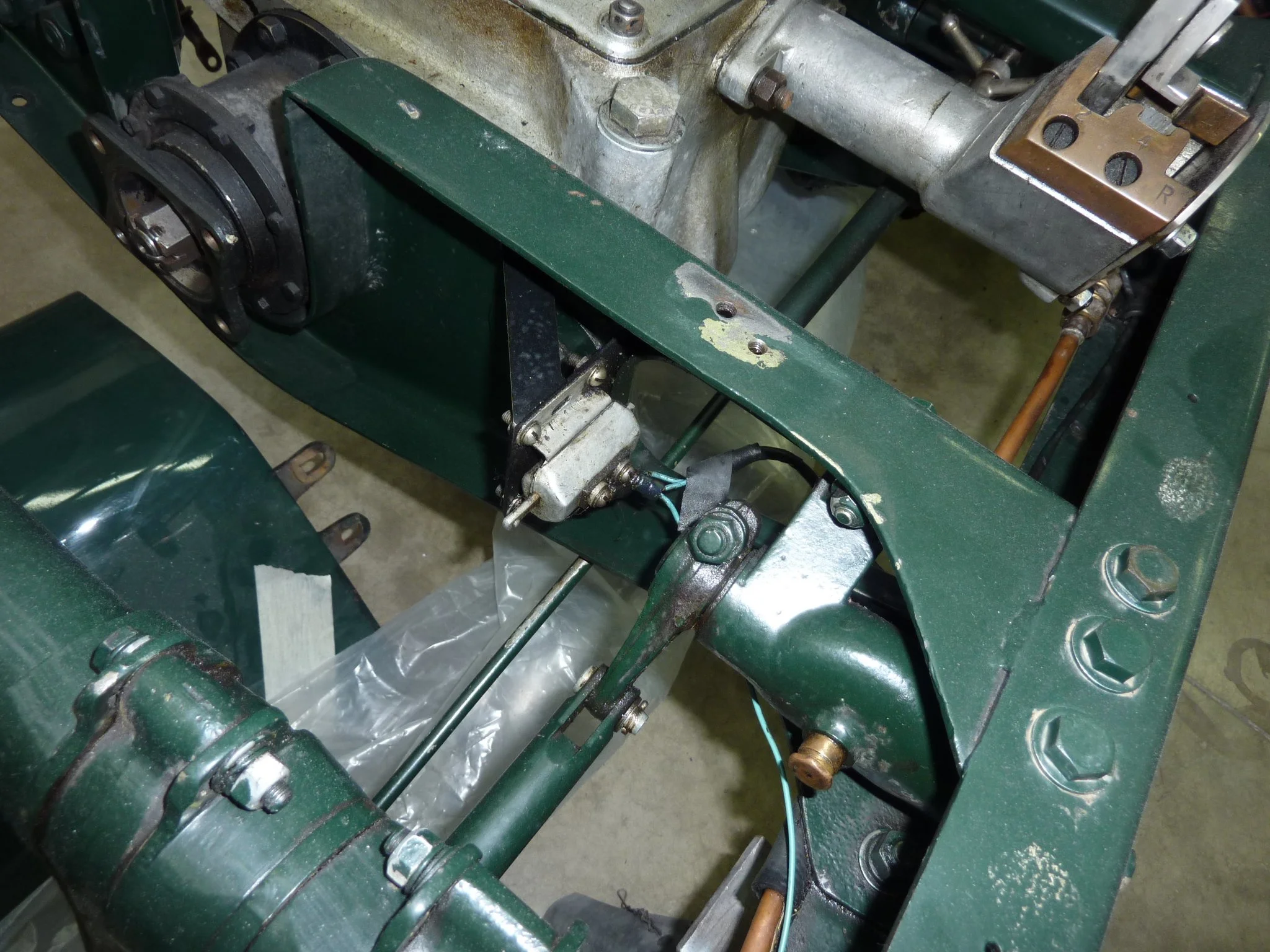
The restoration began with a full strip-down and assessment. The body was dismantled, paint removed, and the ash frame exposed. While retaining as much original material as possible, damaged wood and metal were carefully repaired or replaced. New aluminium wings and a new tub were fabricated, the ash frame rebuilt and strengthened, and all fittings refurbished. New floor sections were installed to improve storage, and a new long-distance fuel tank was fabricated to original specification.
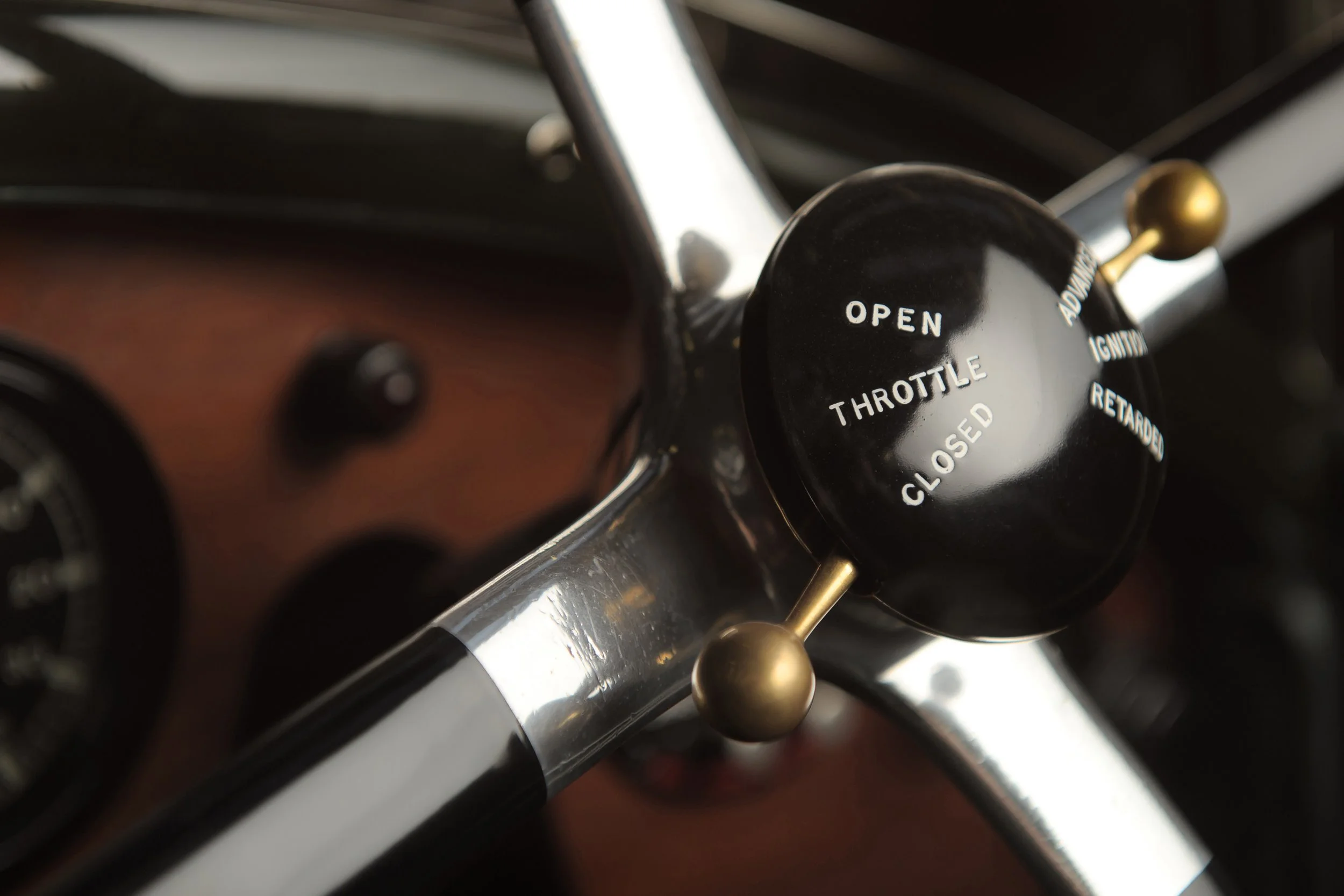
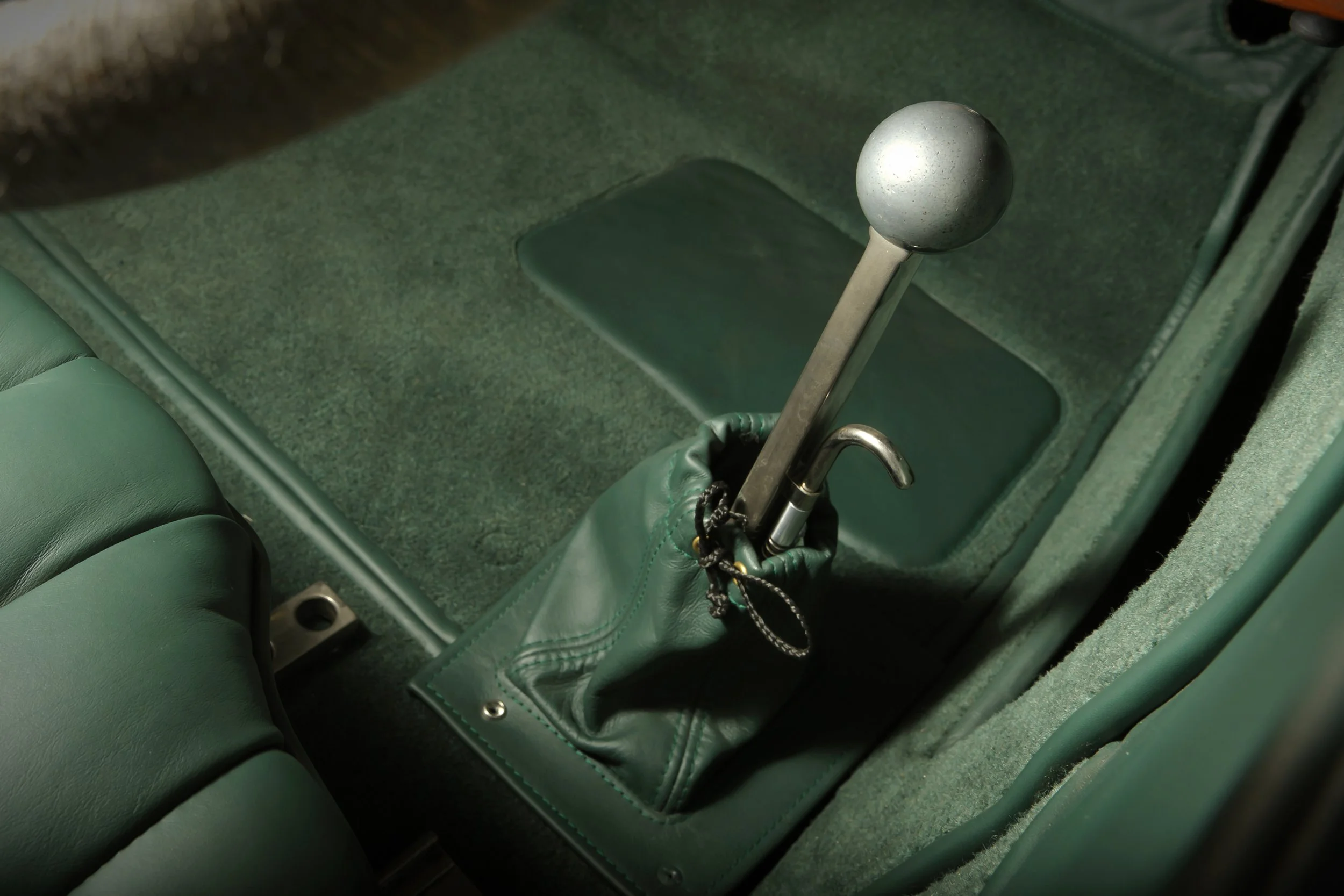
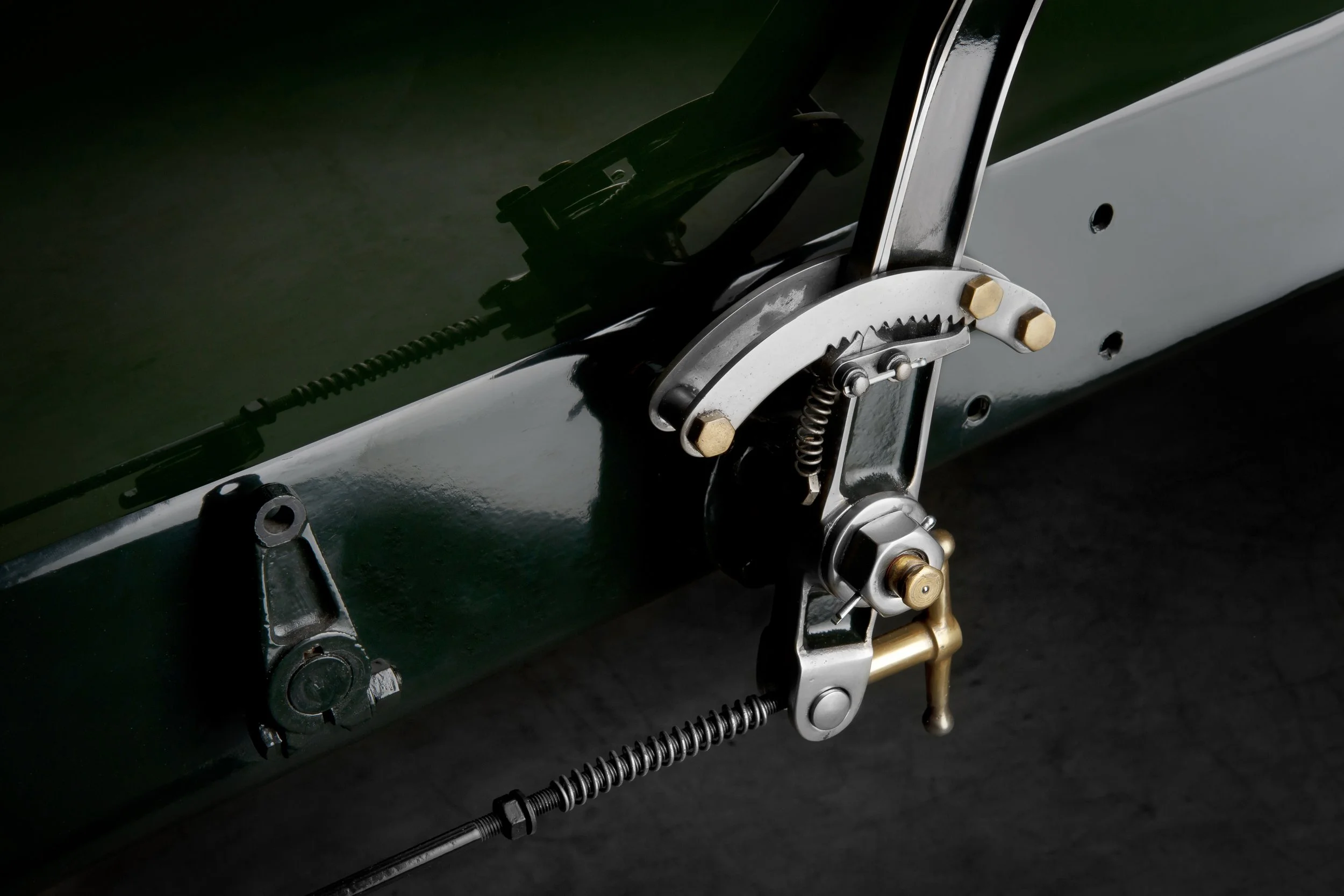
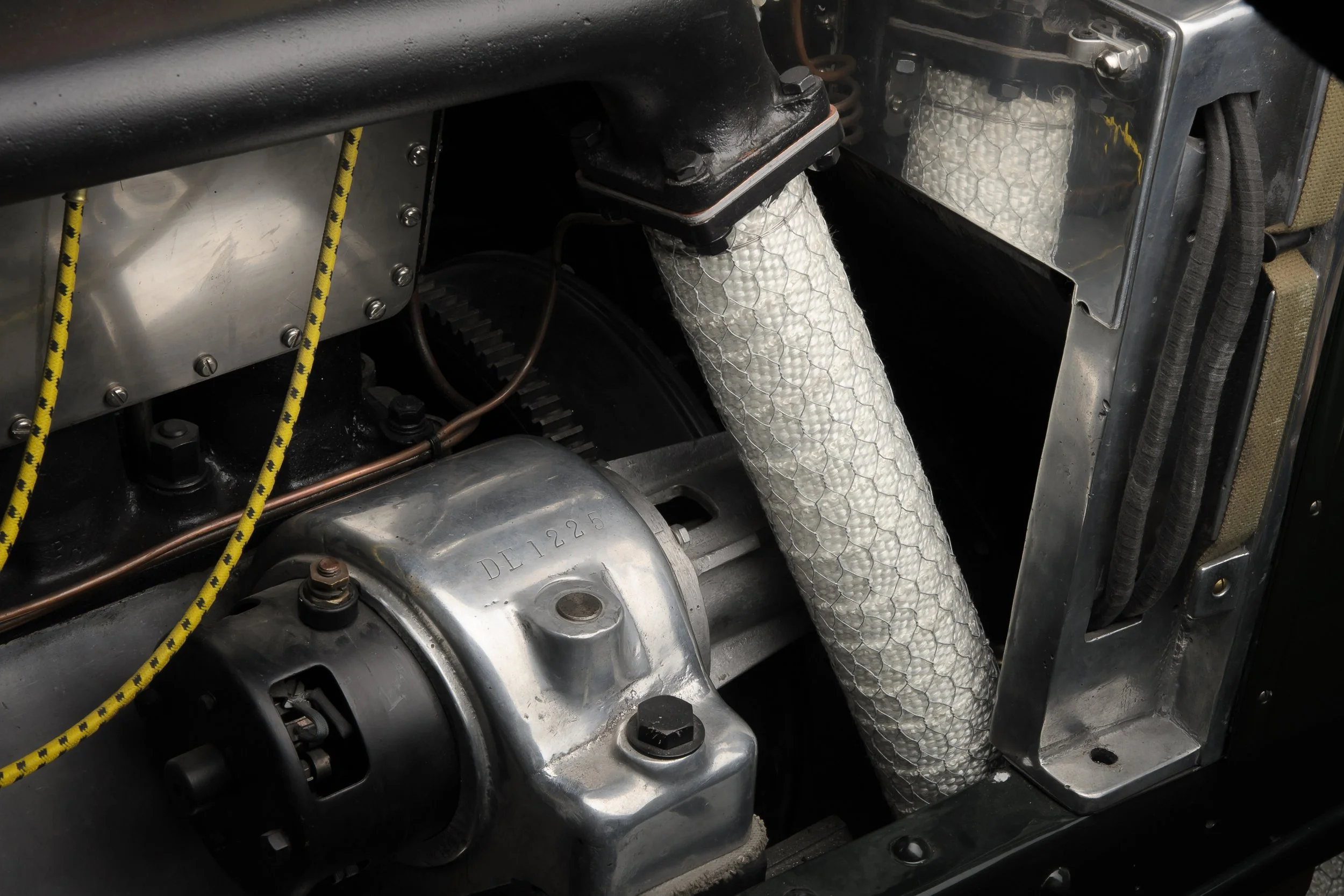
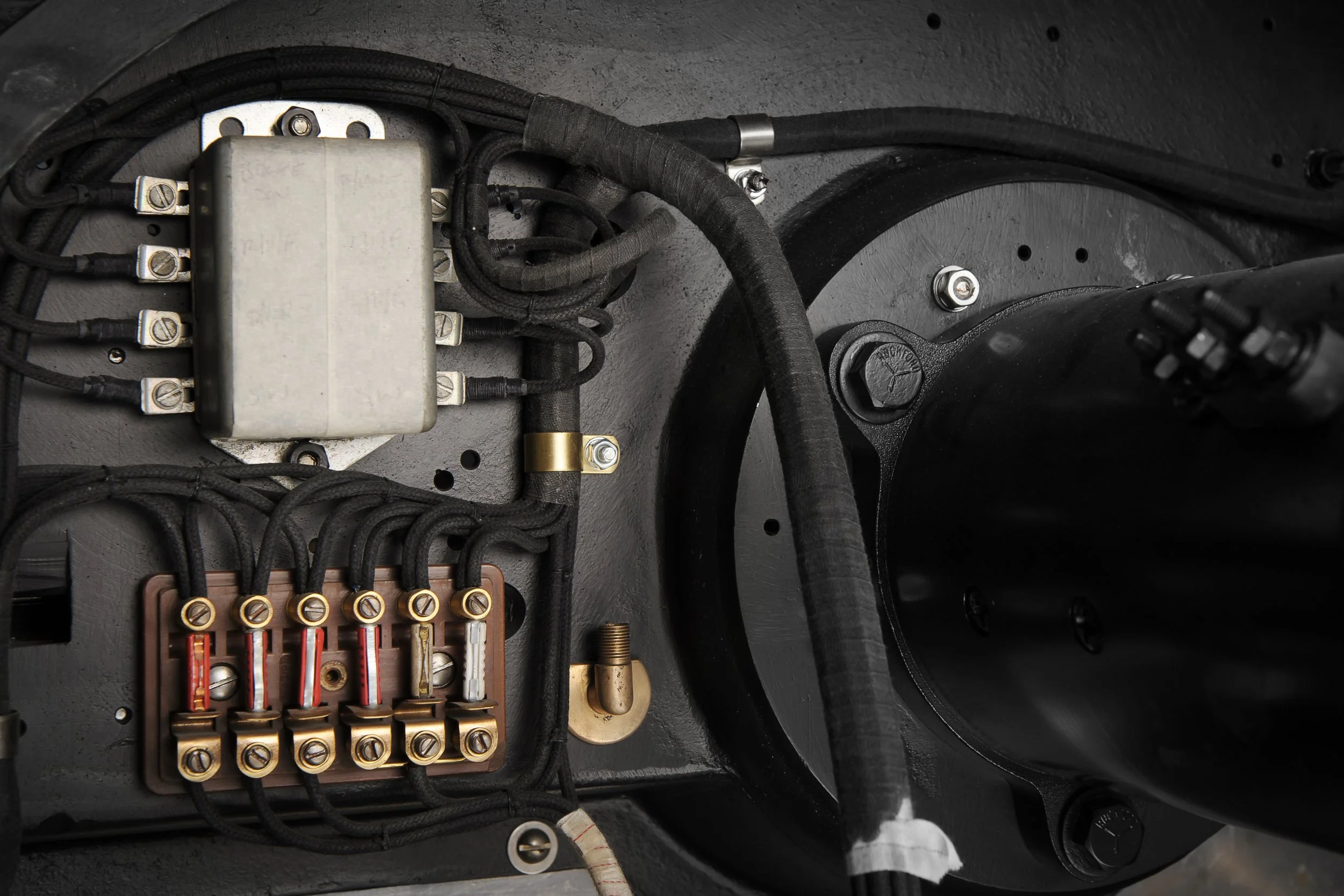
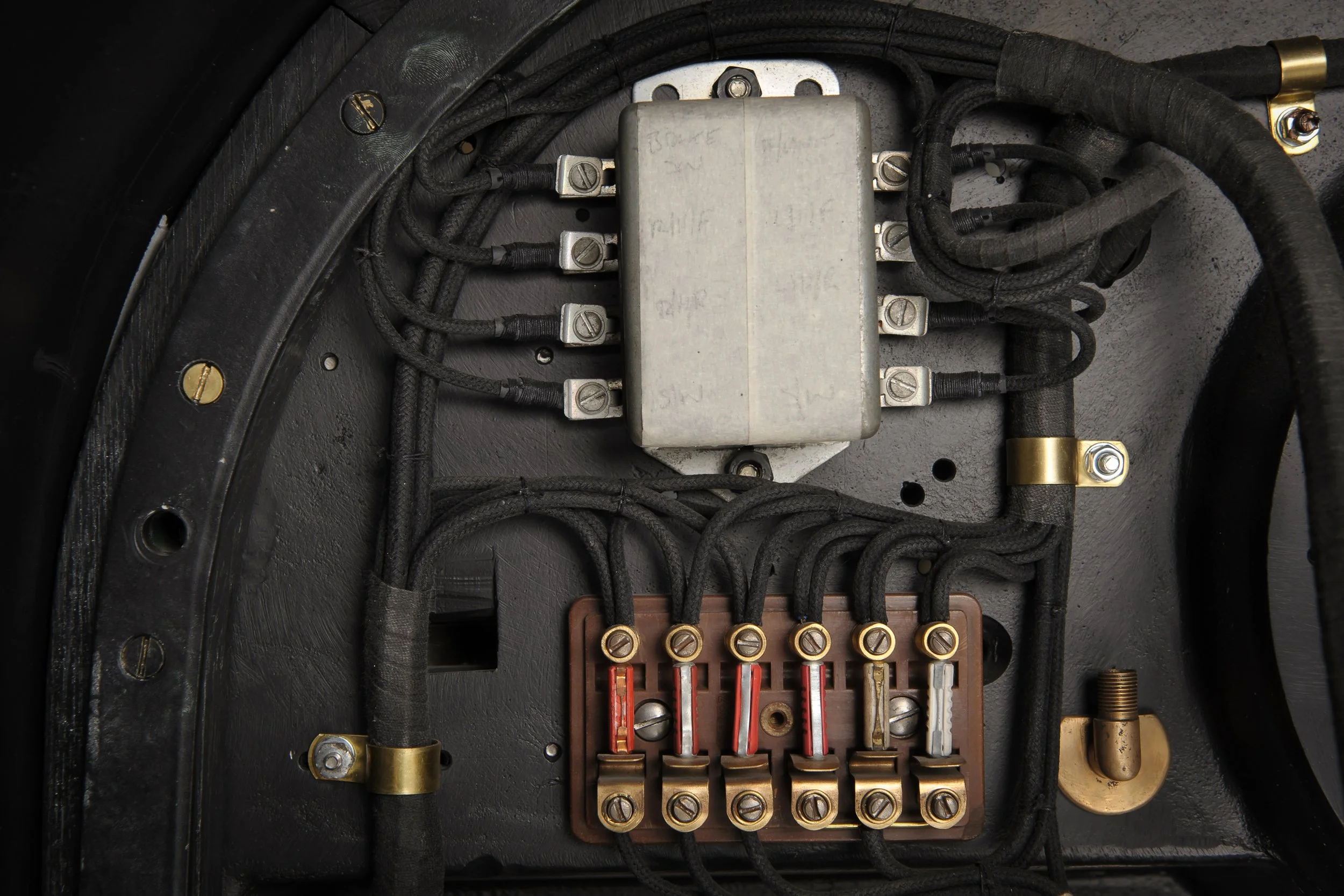
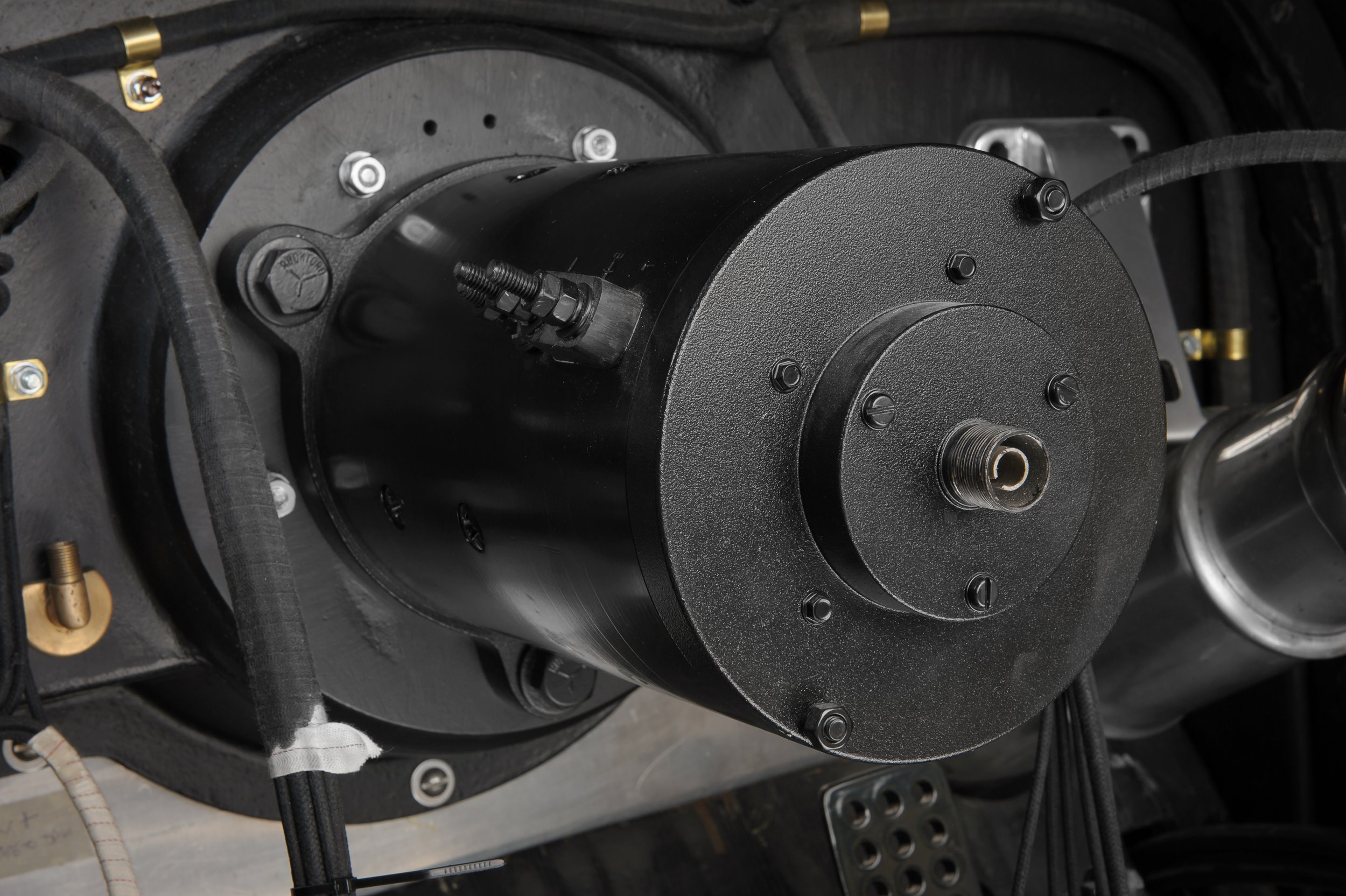
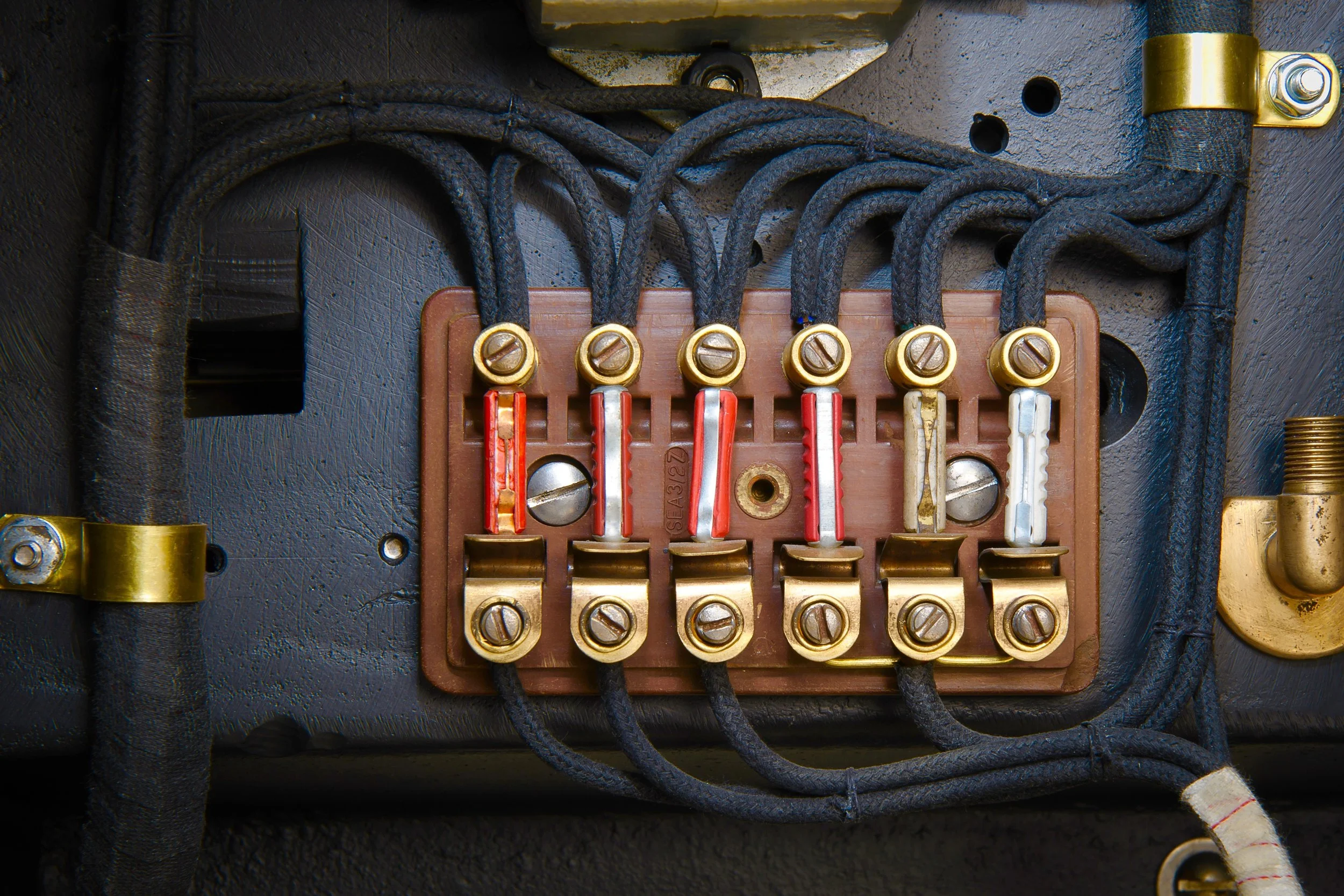
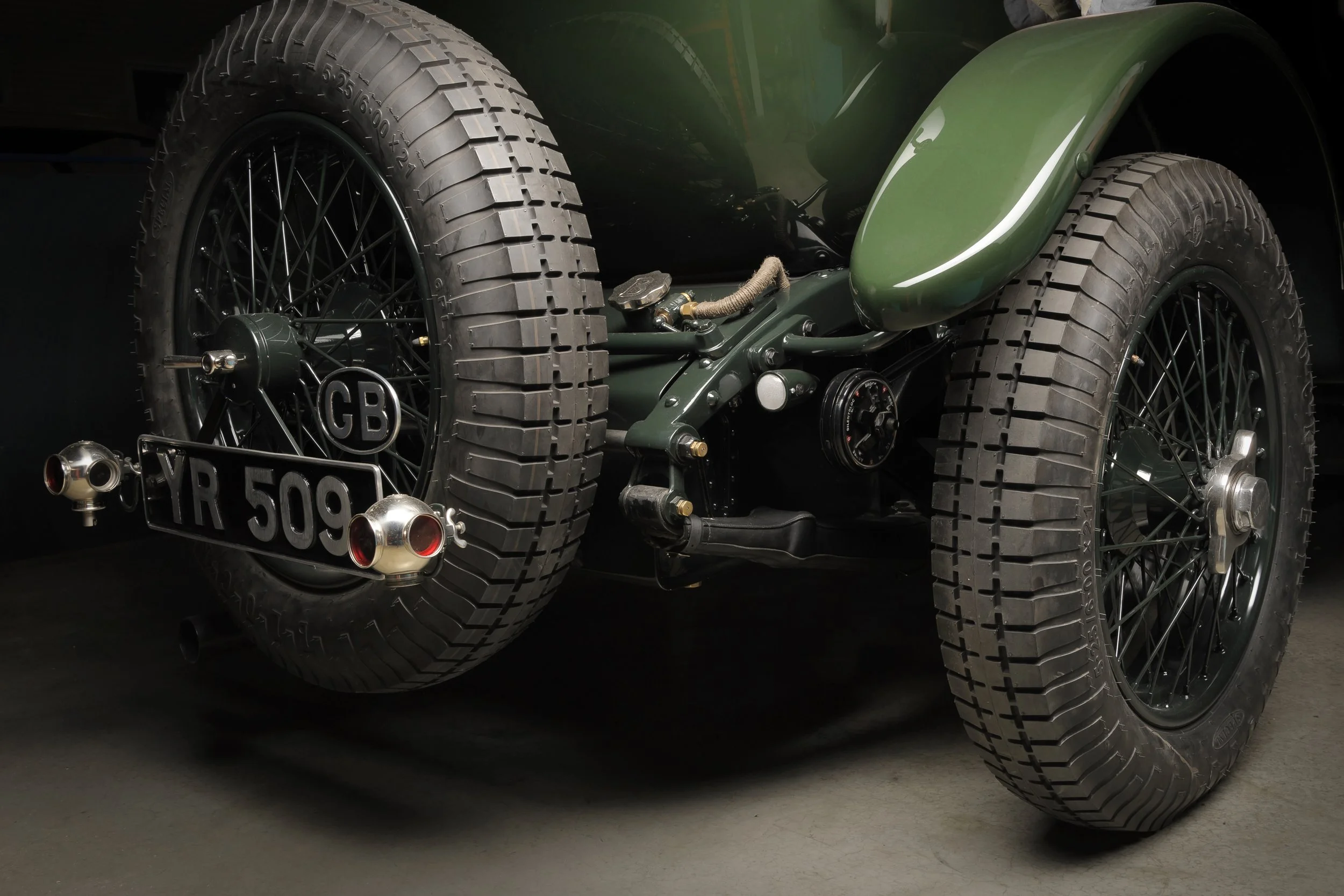
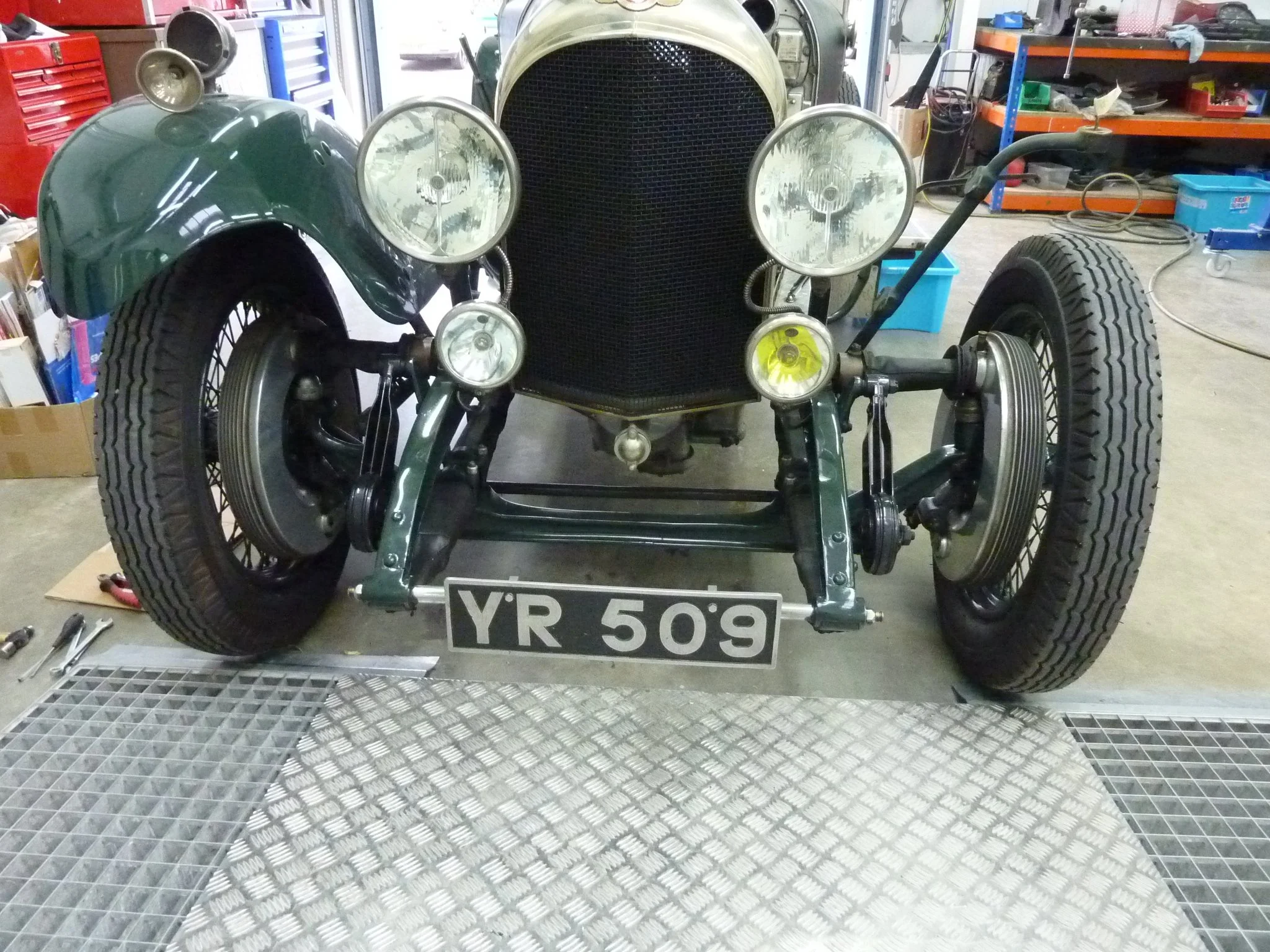
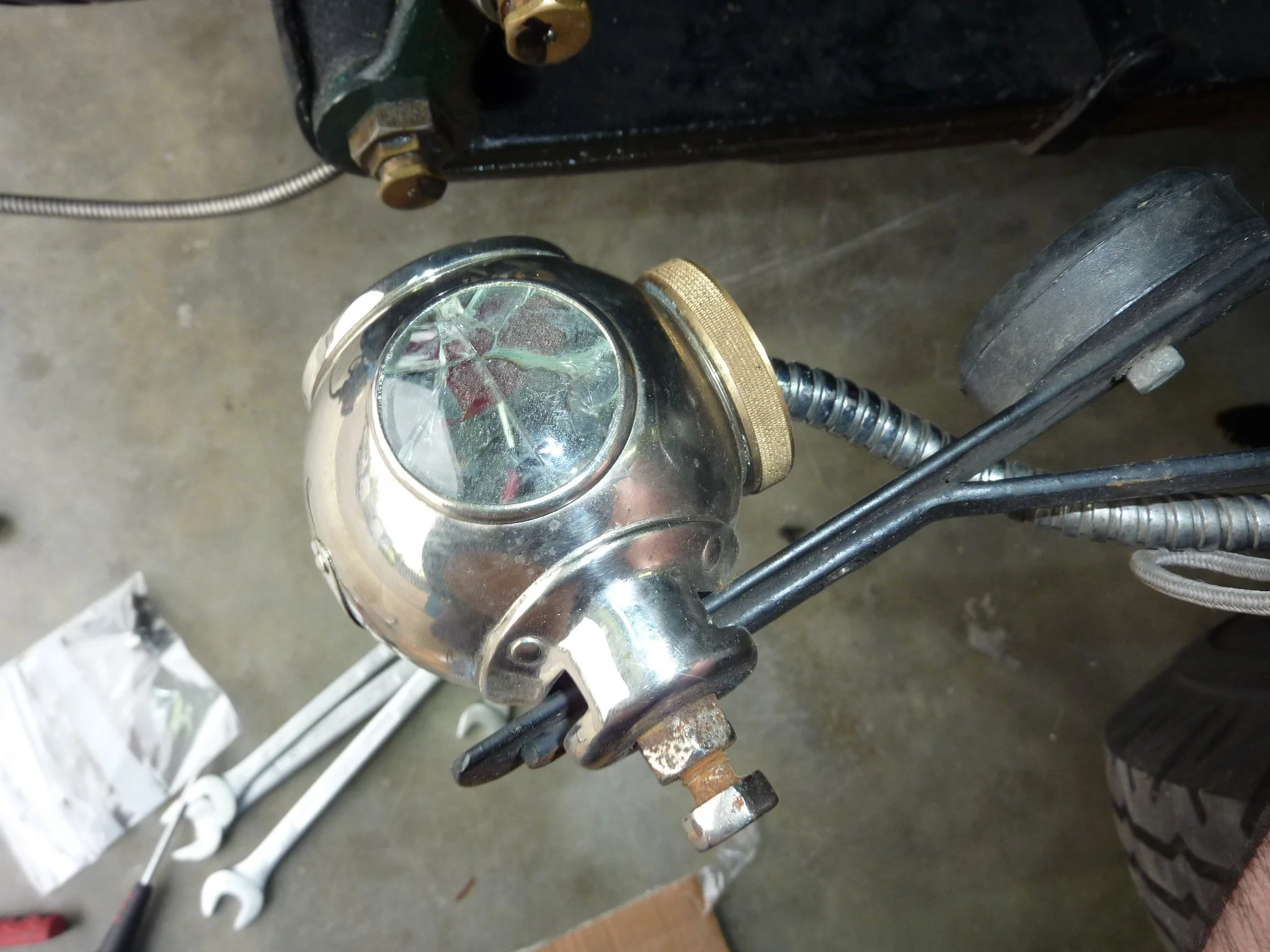
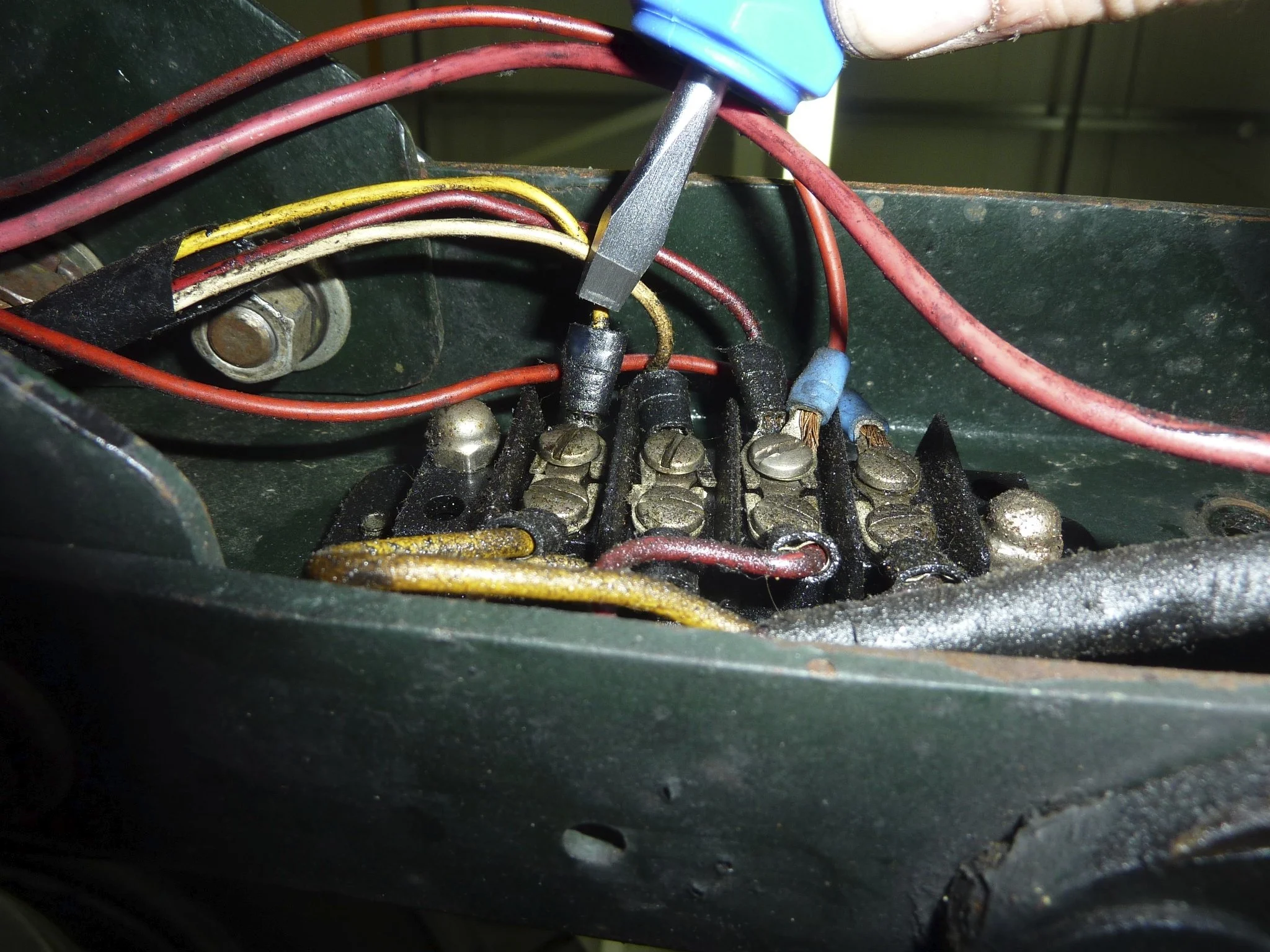
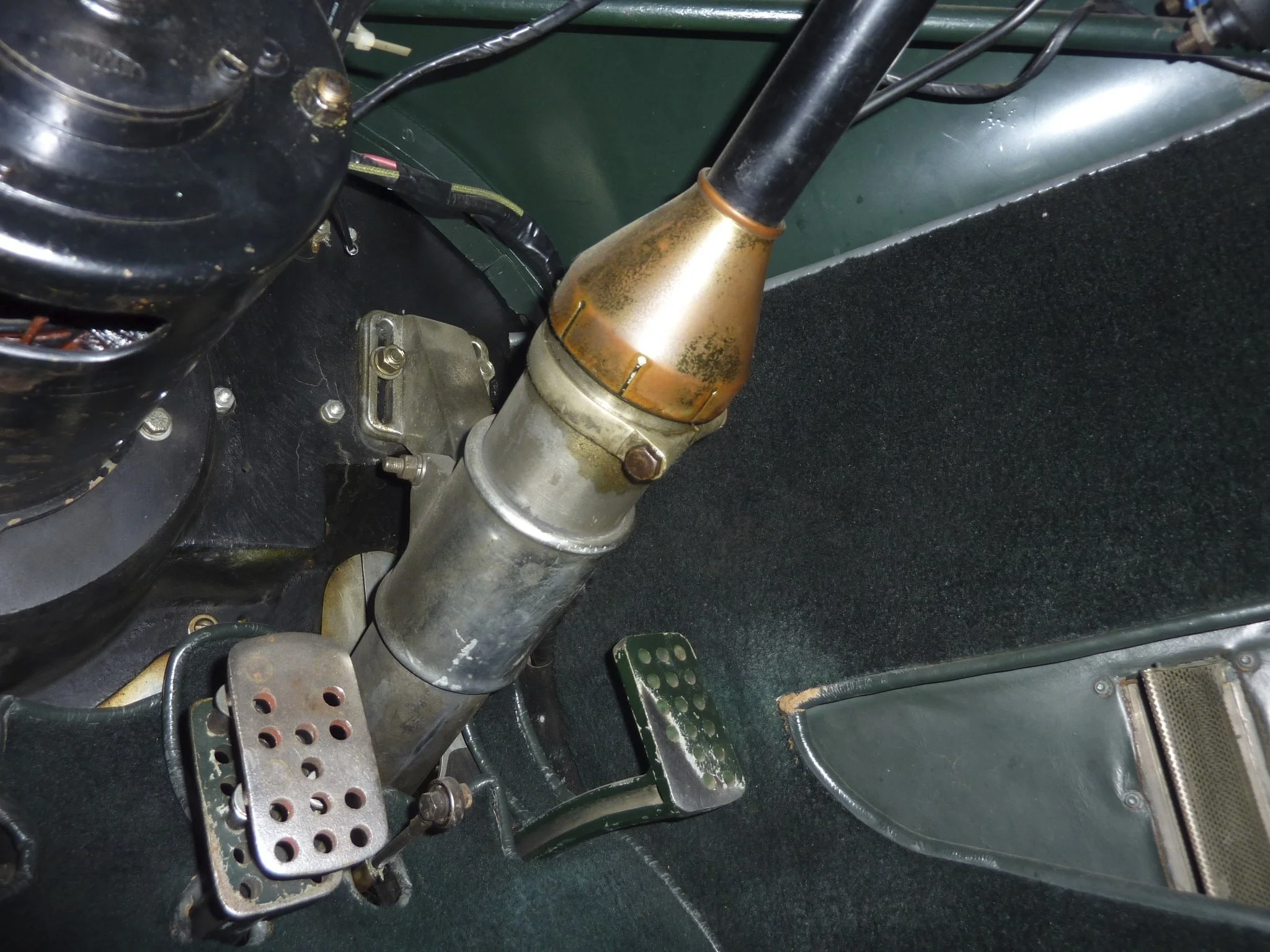
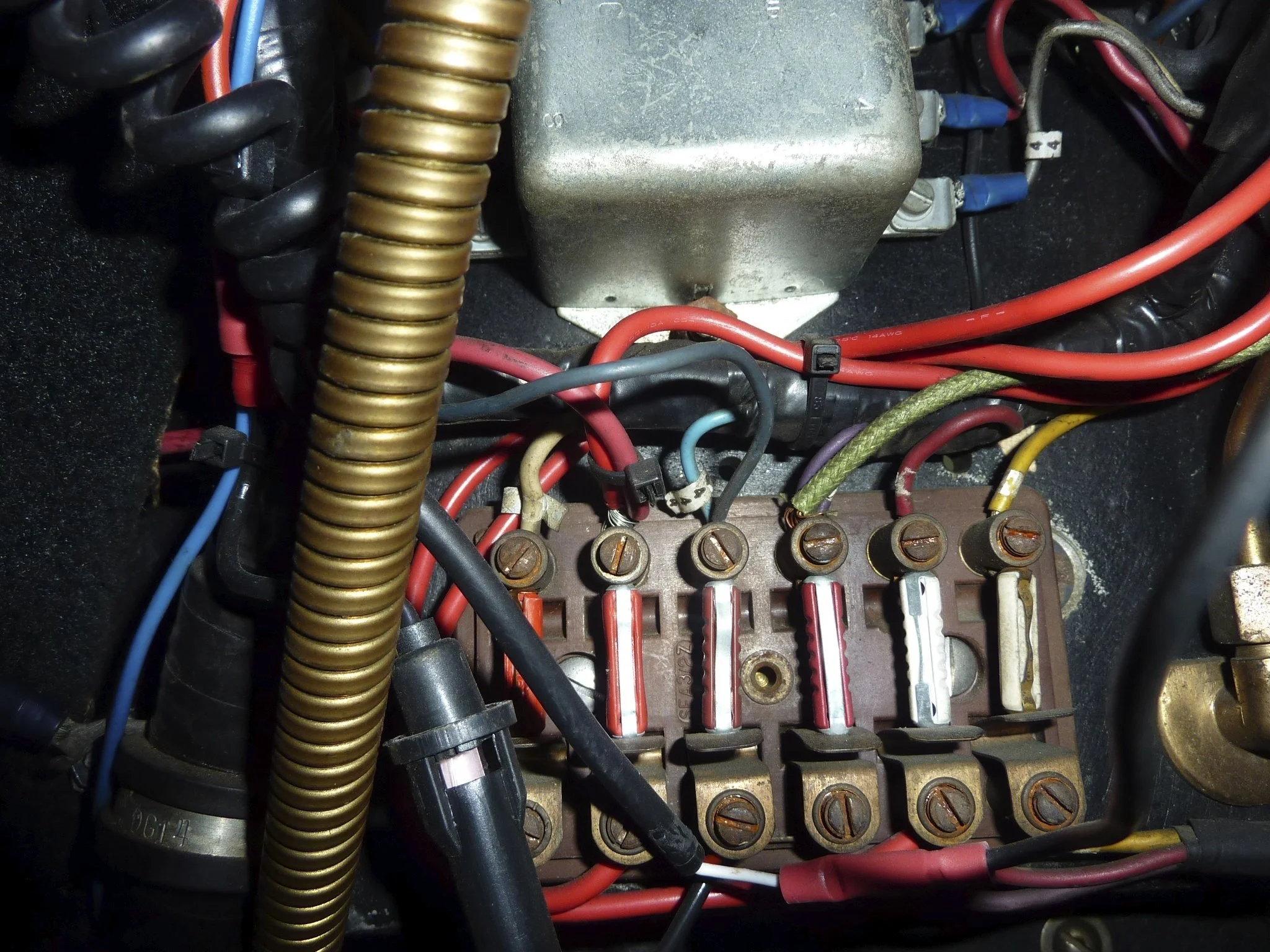
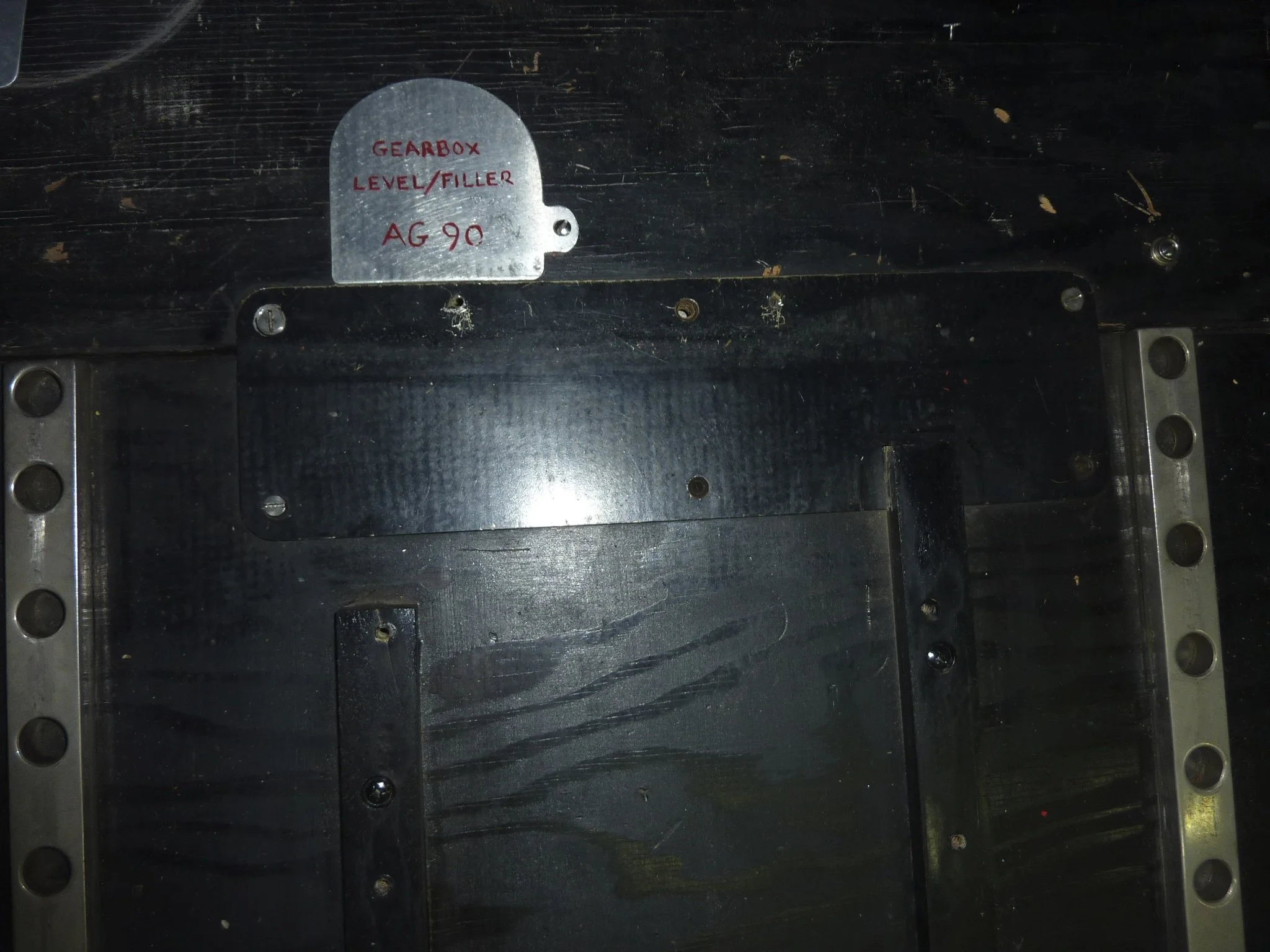
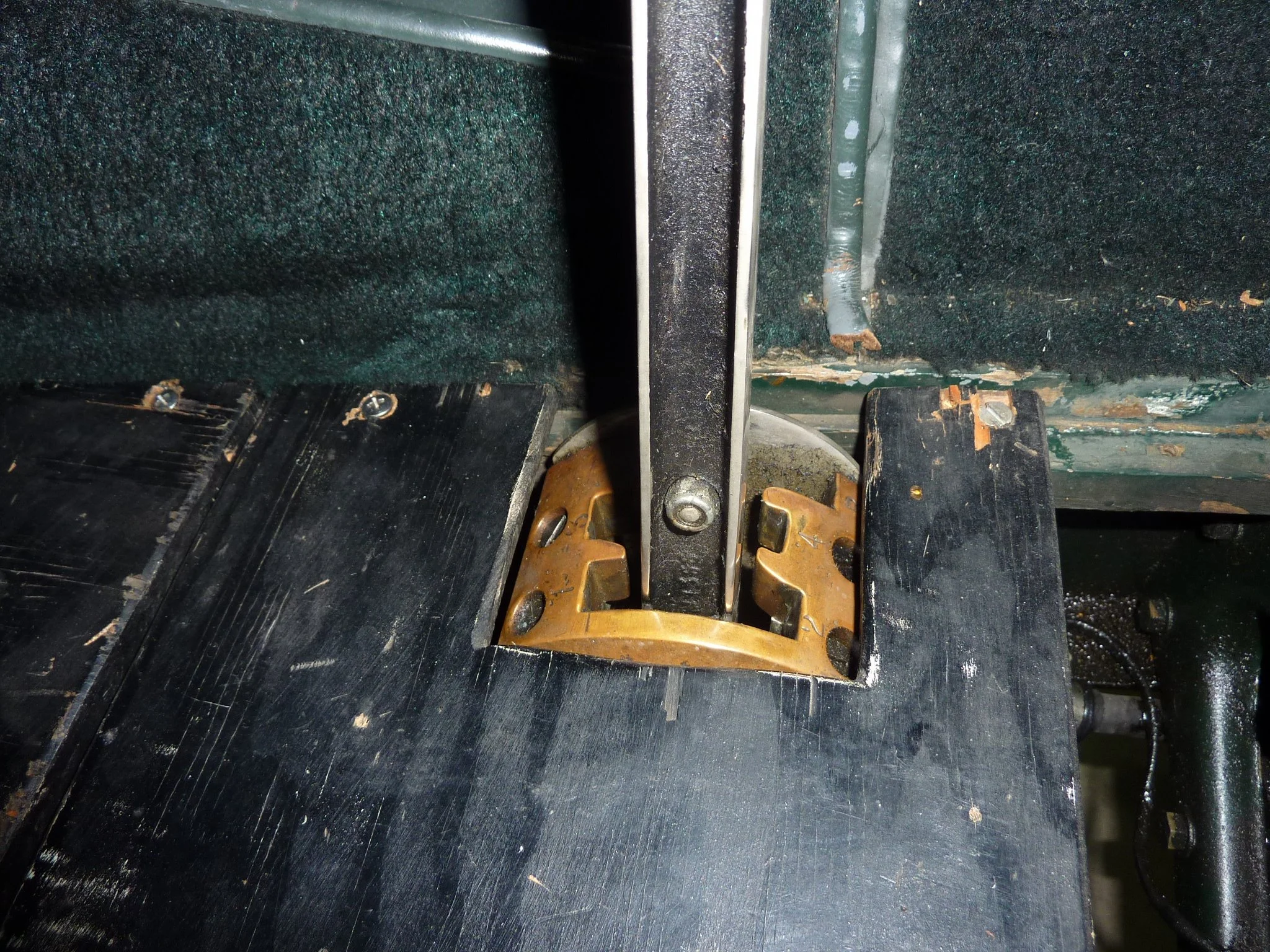
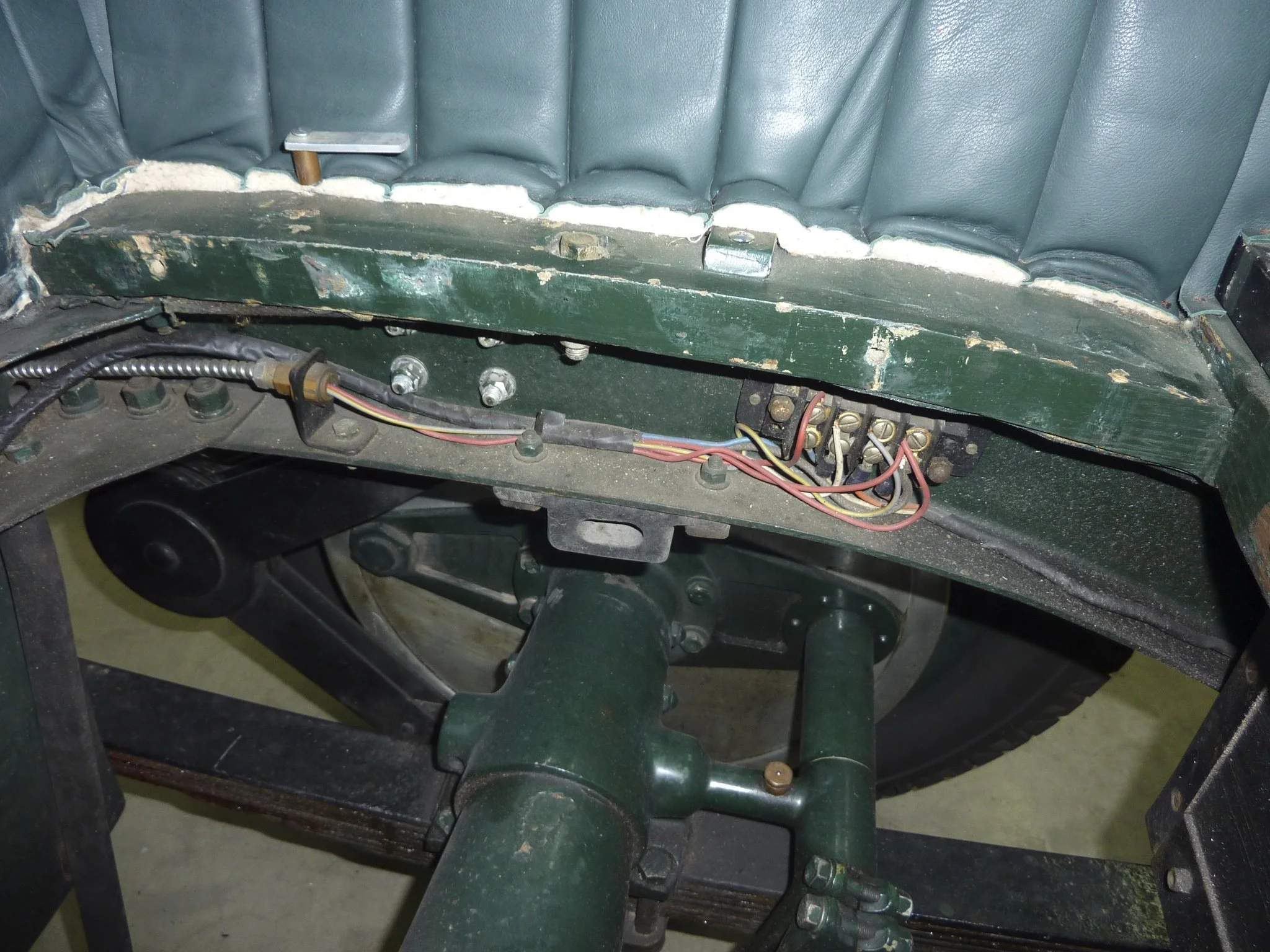
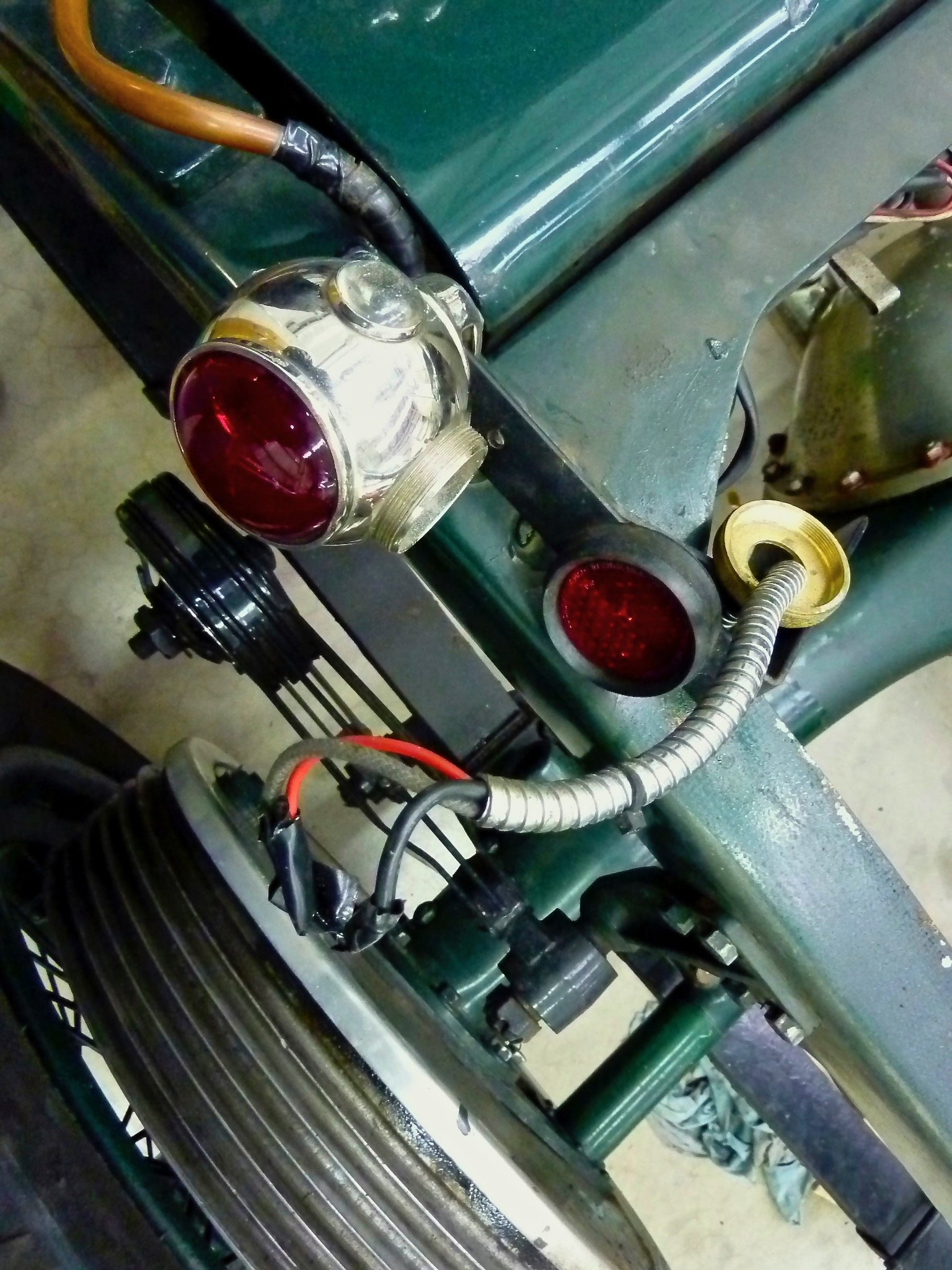
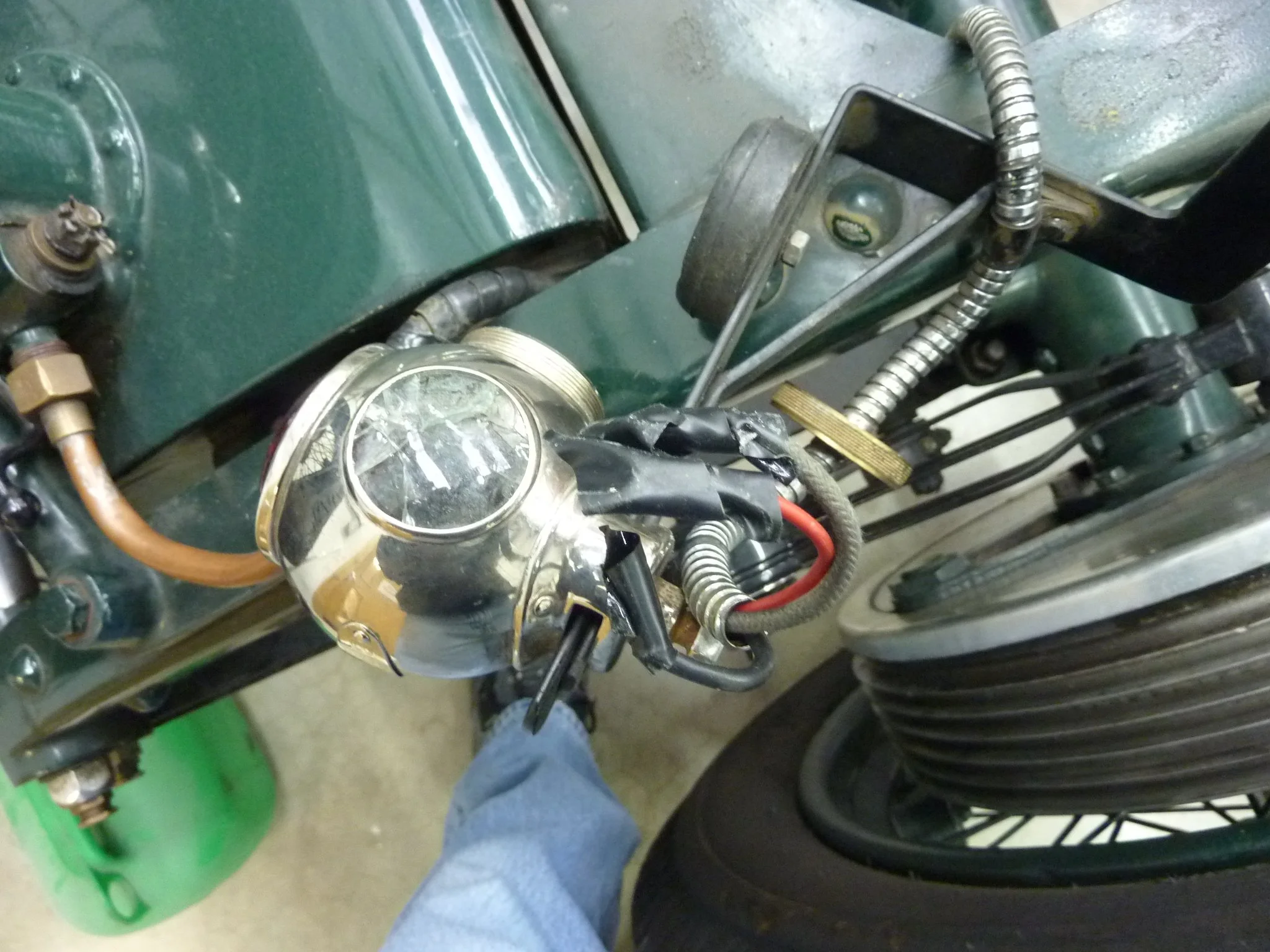
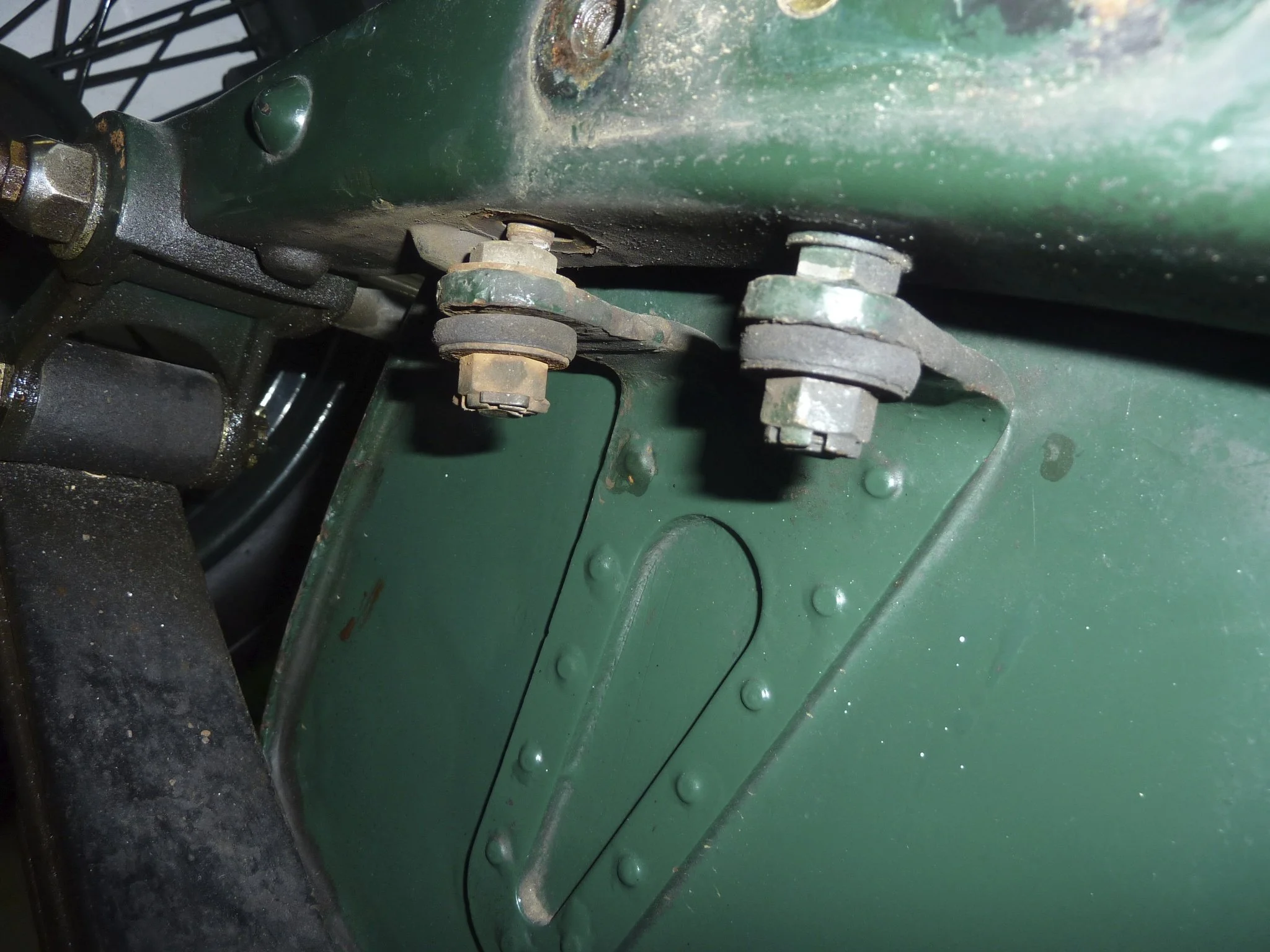
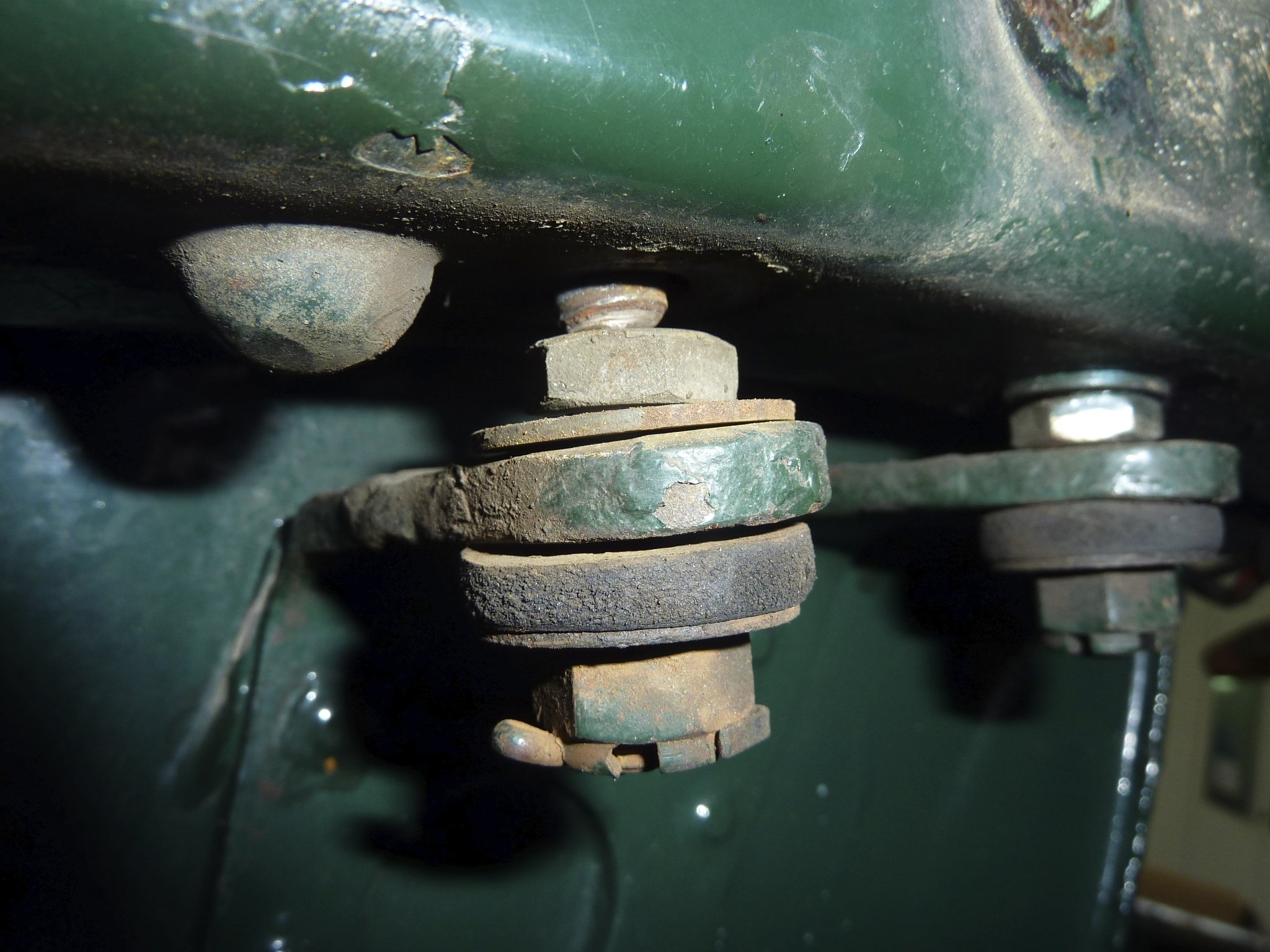
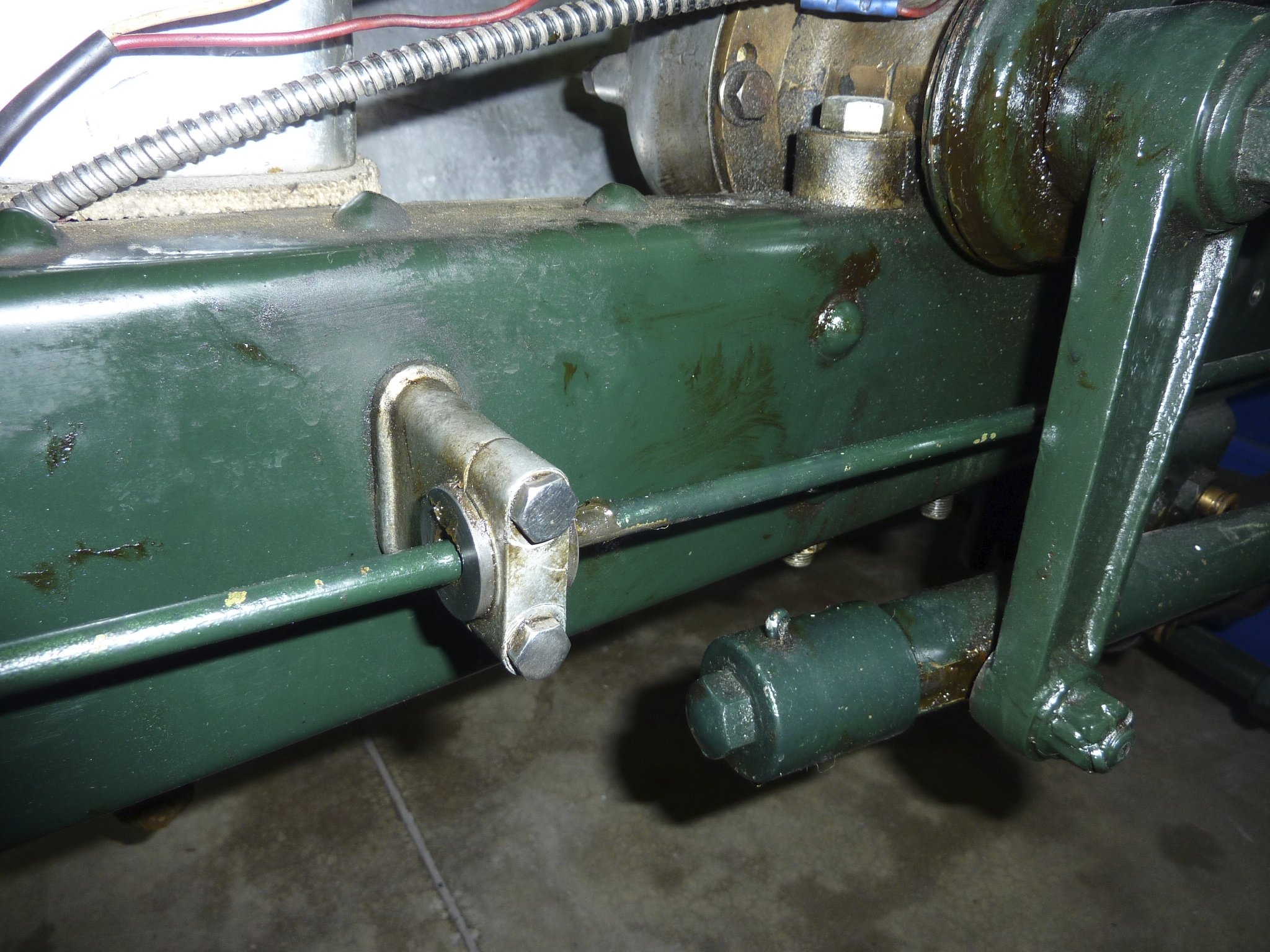
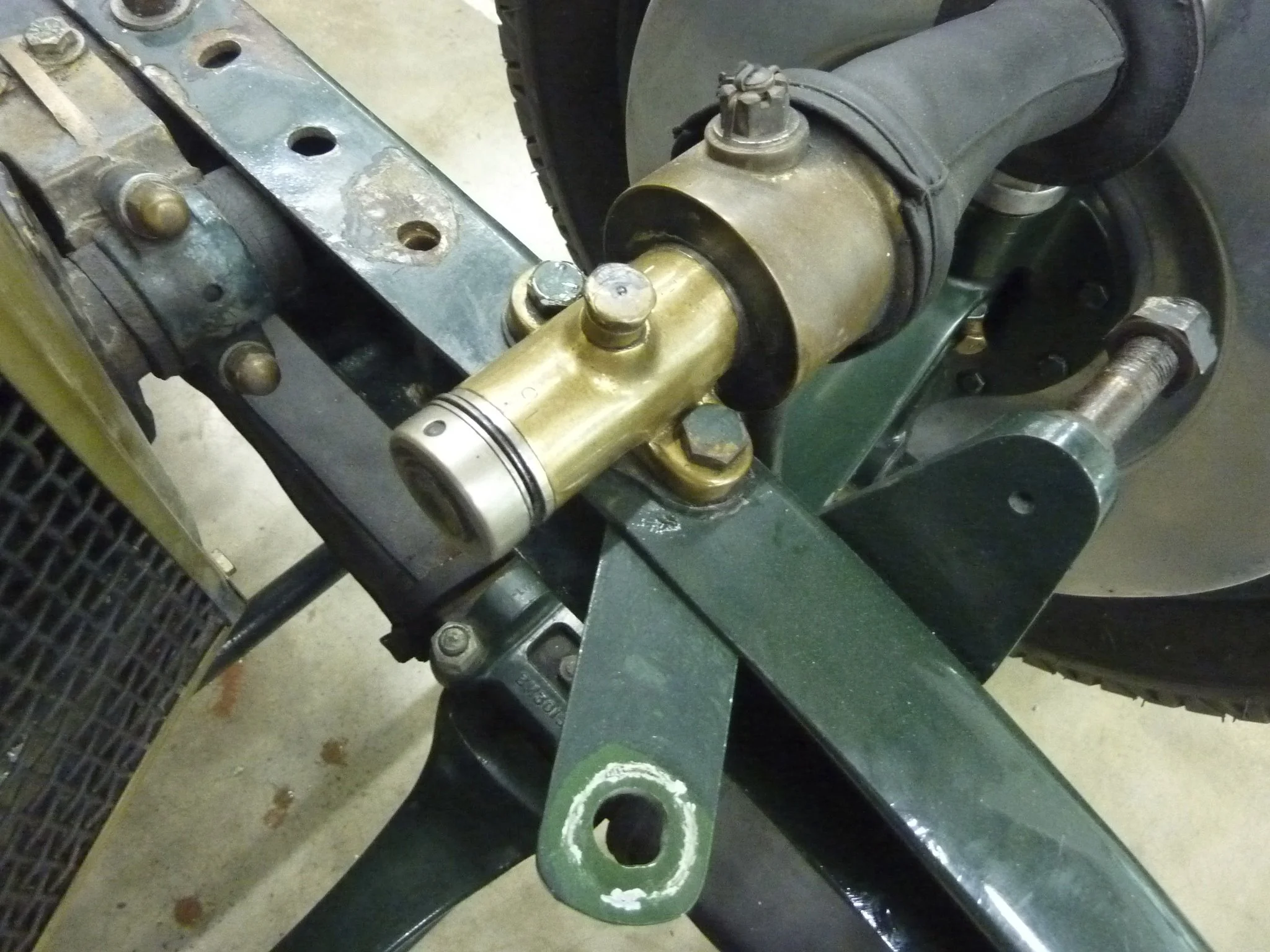
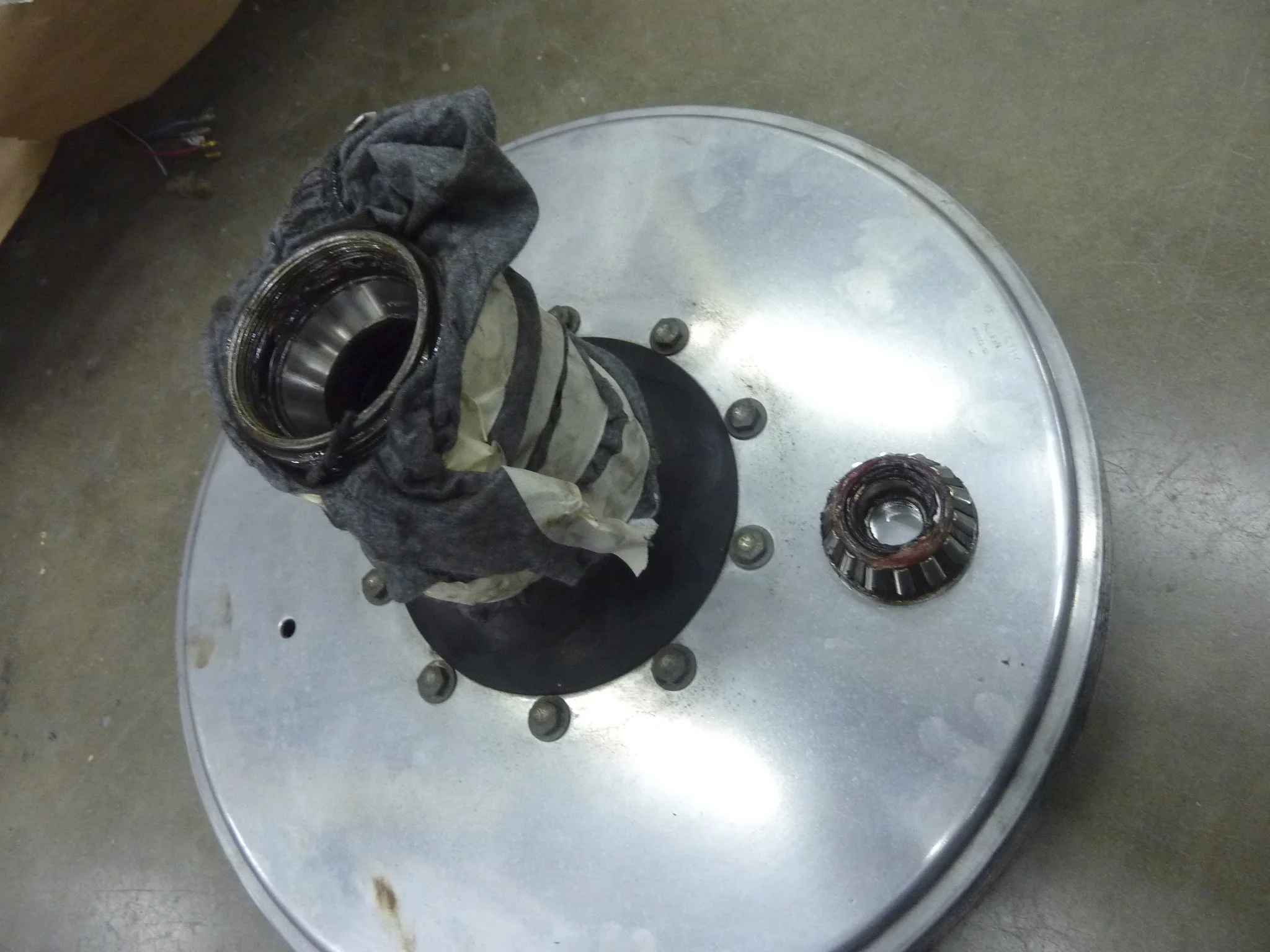
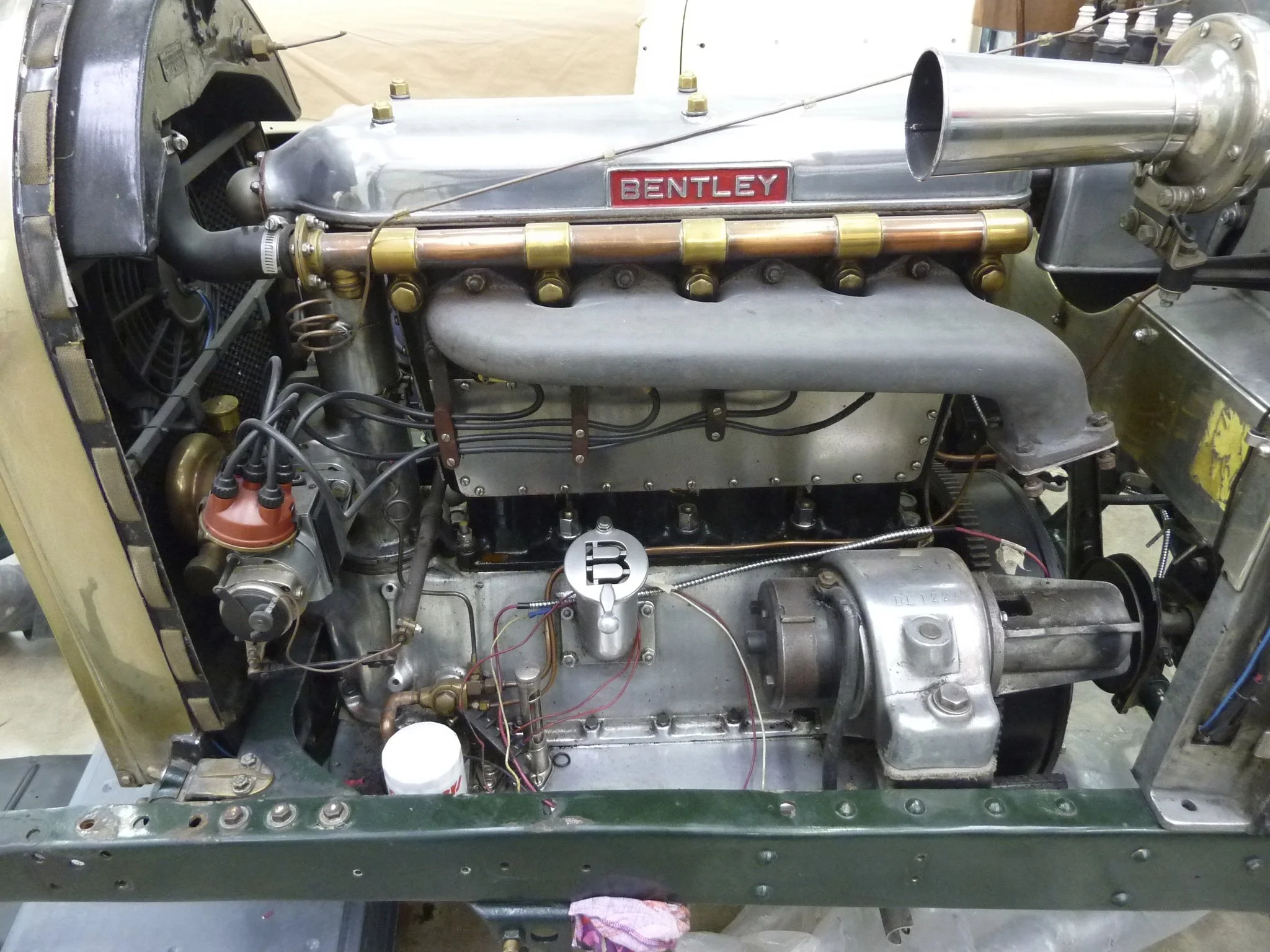
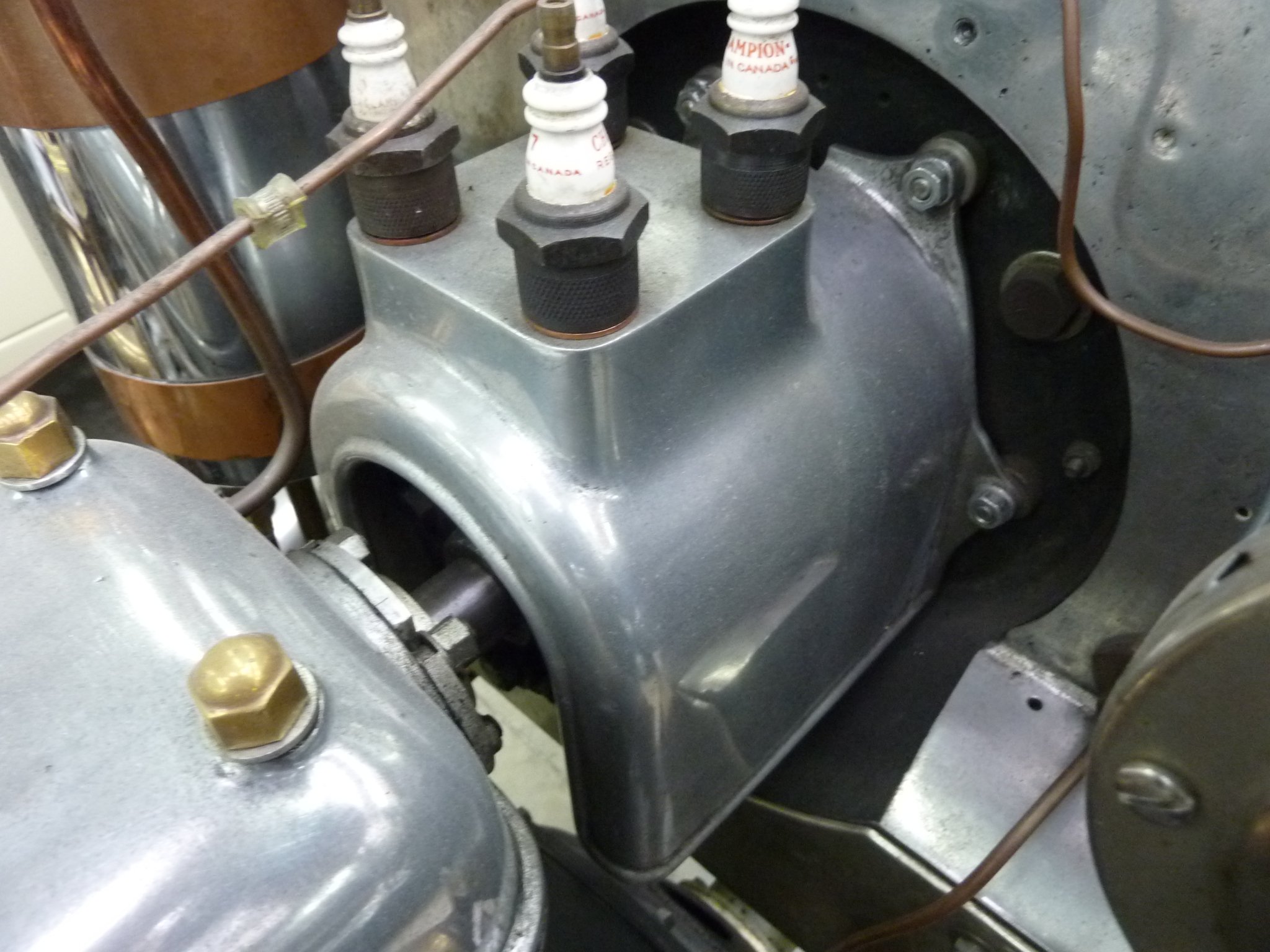
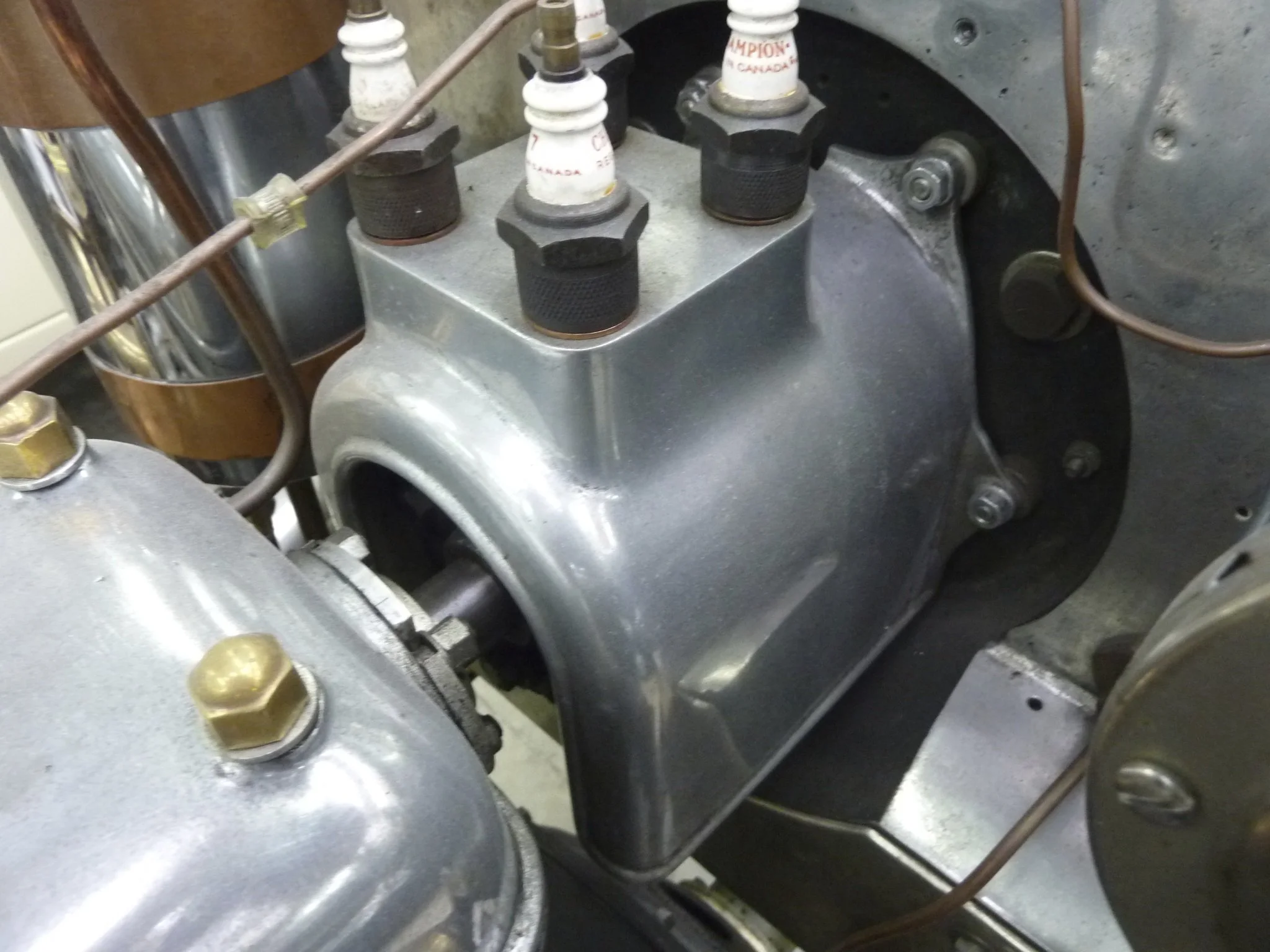
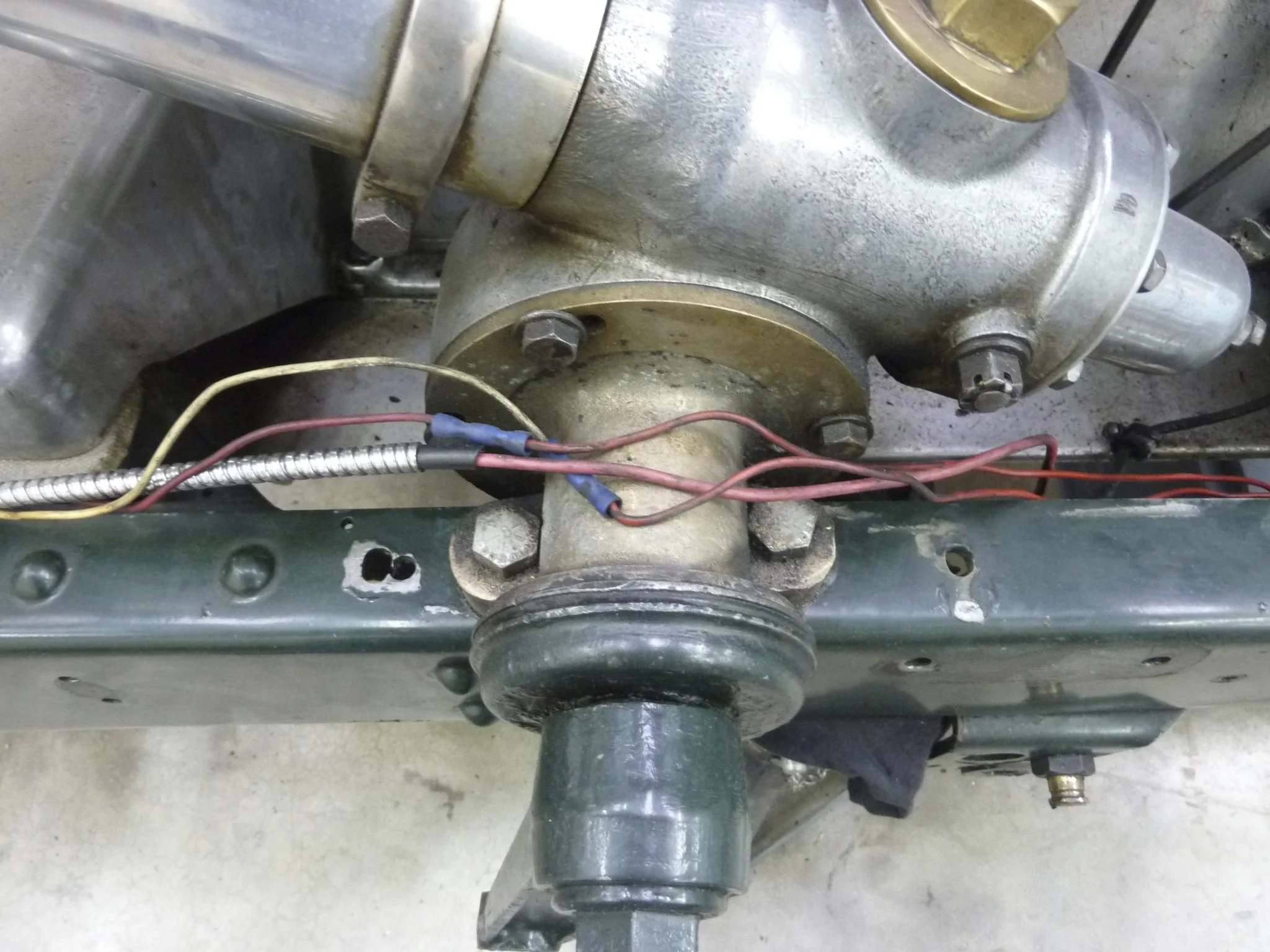
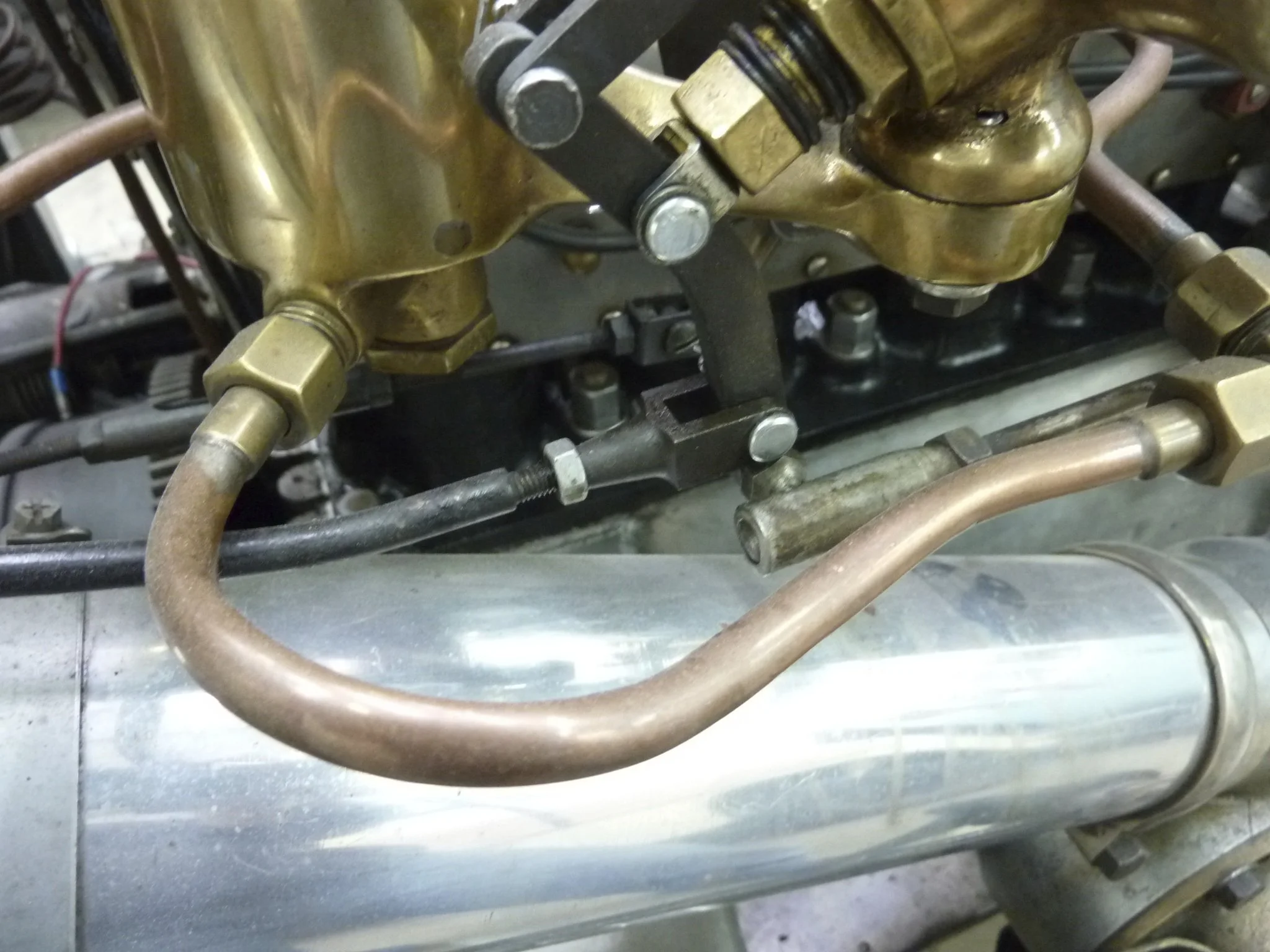
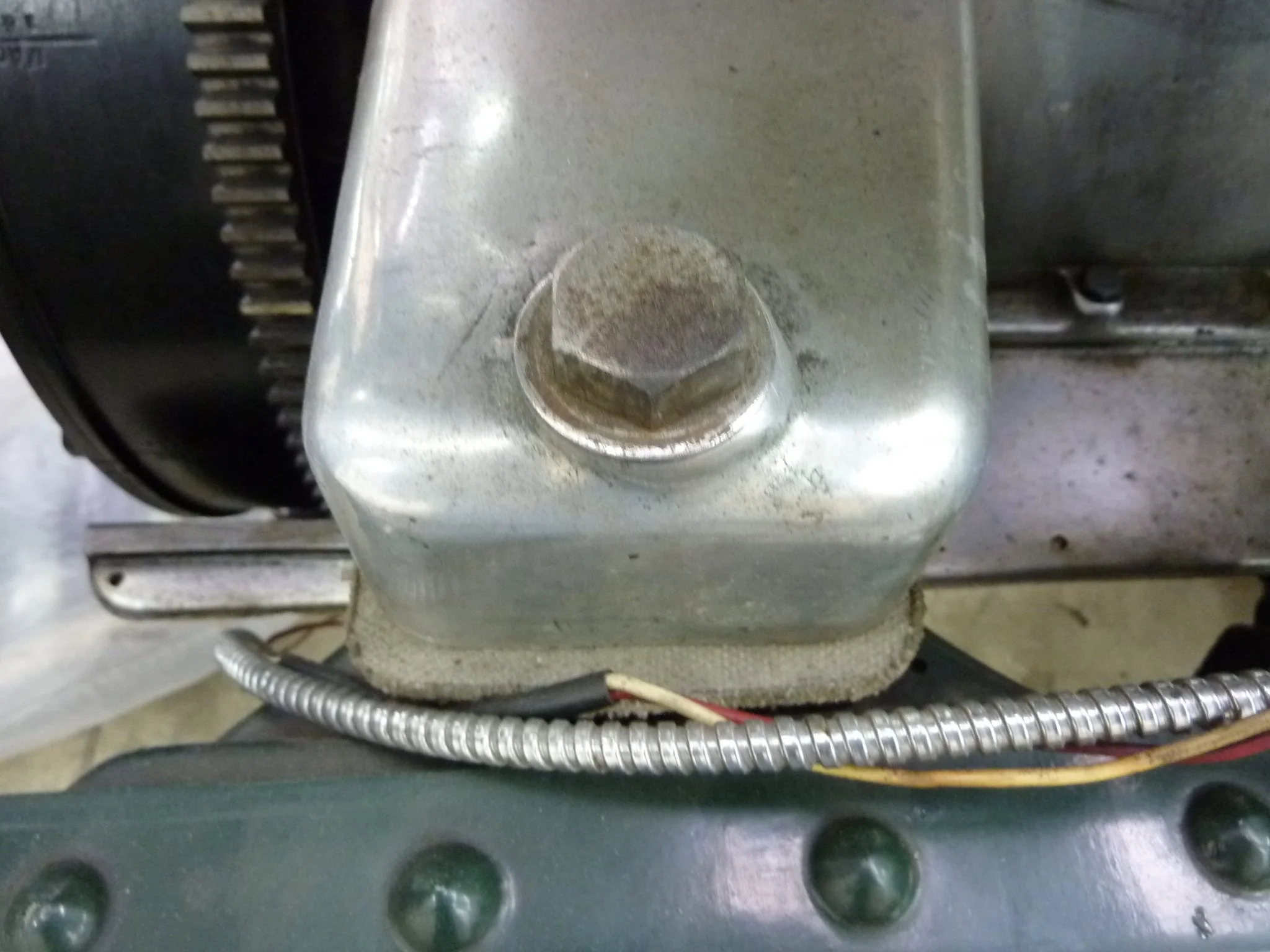
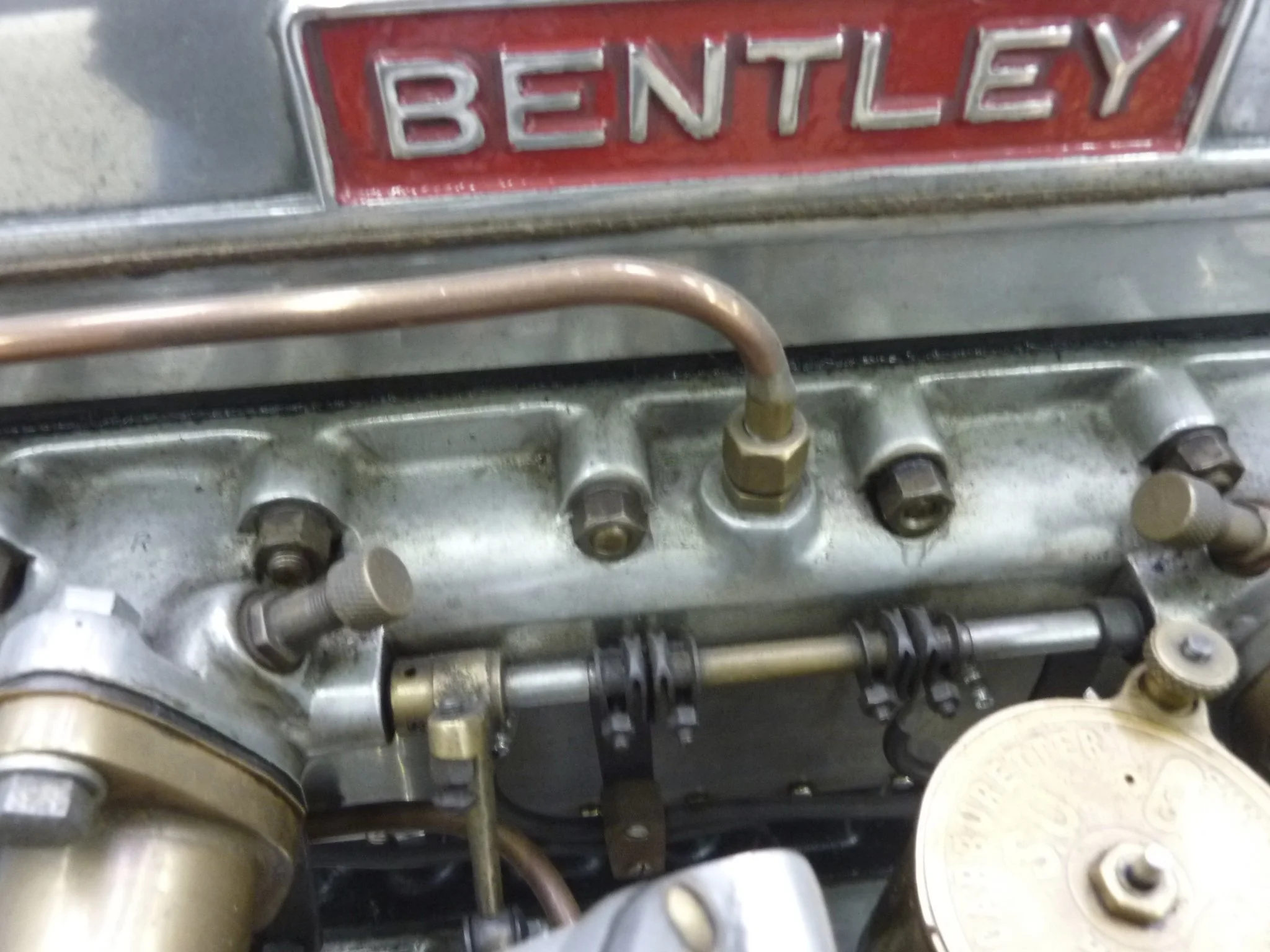
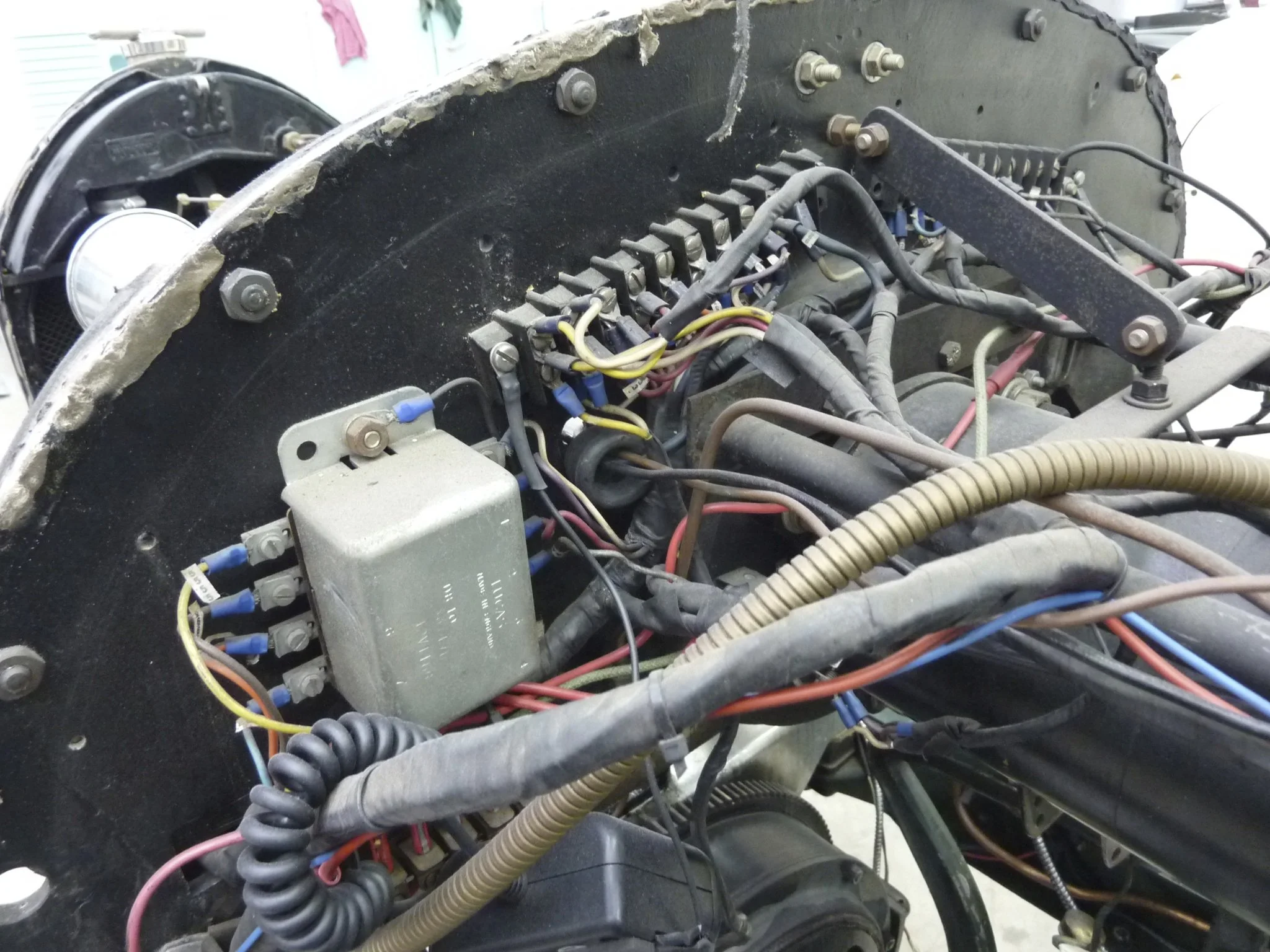
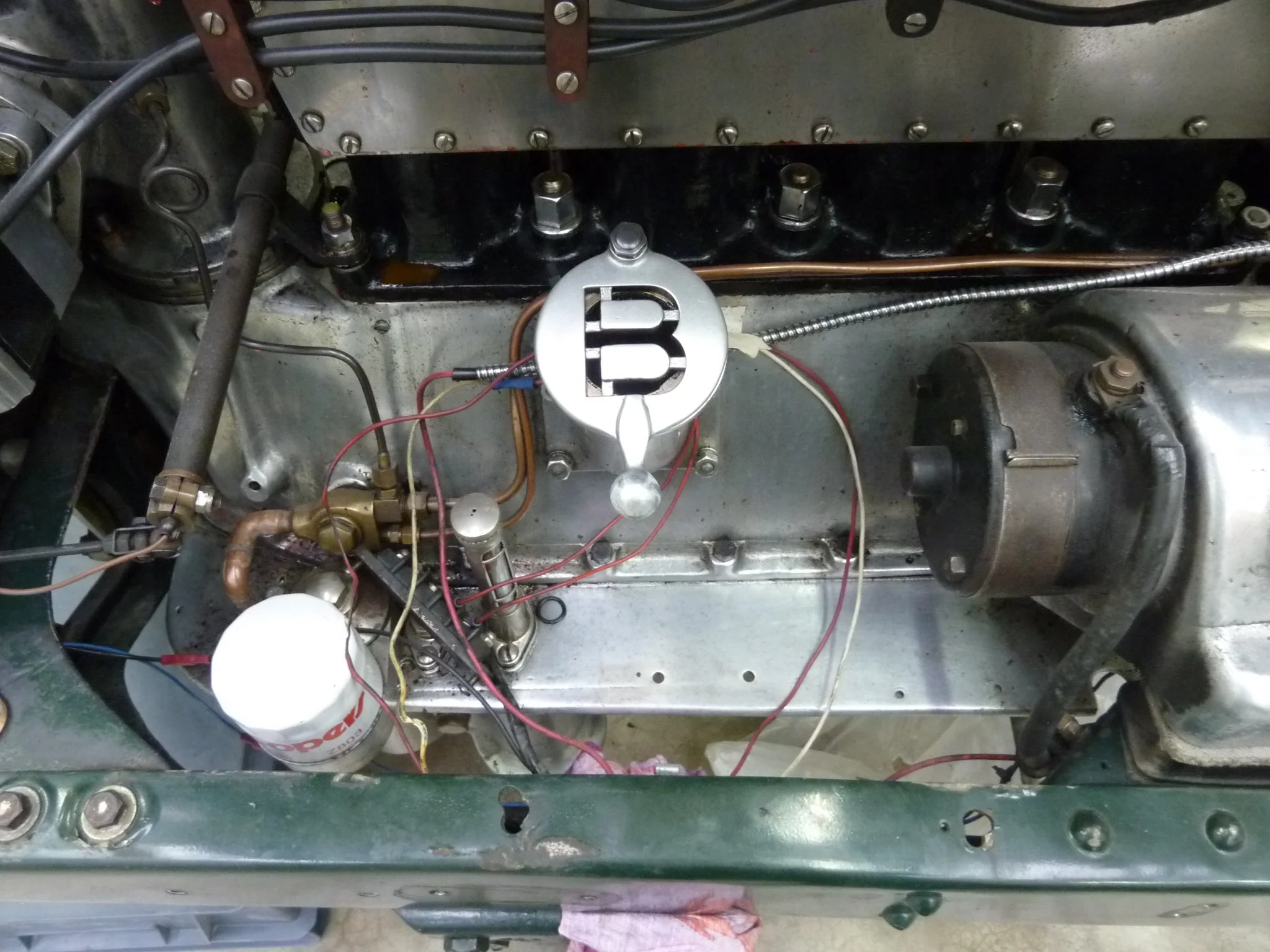
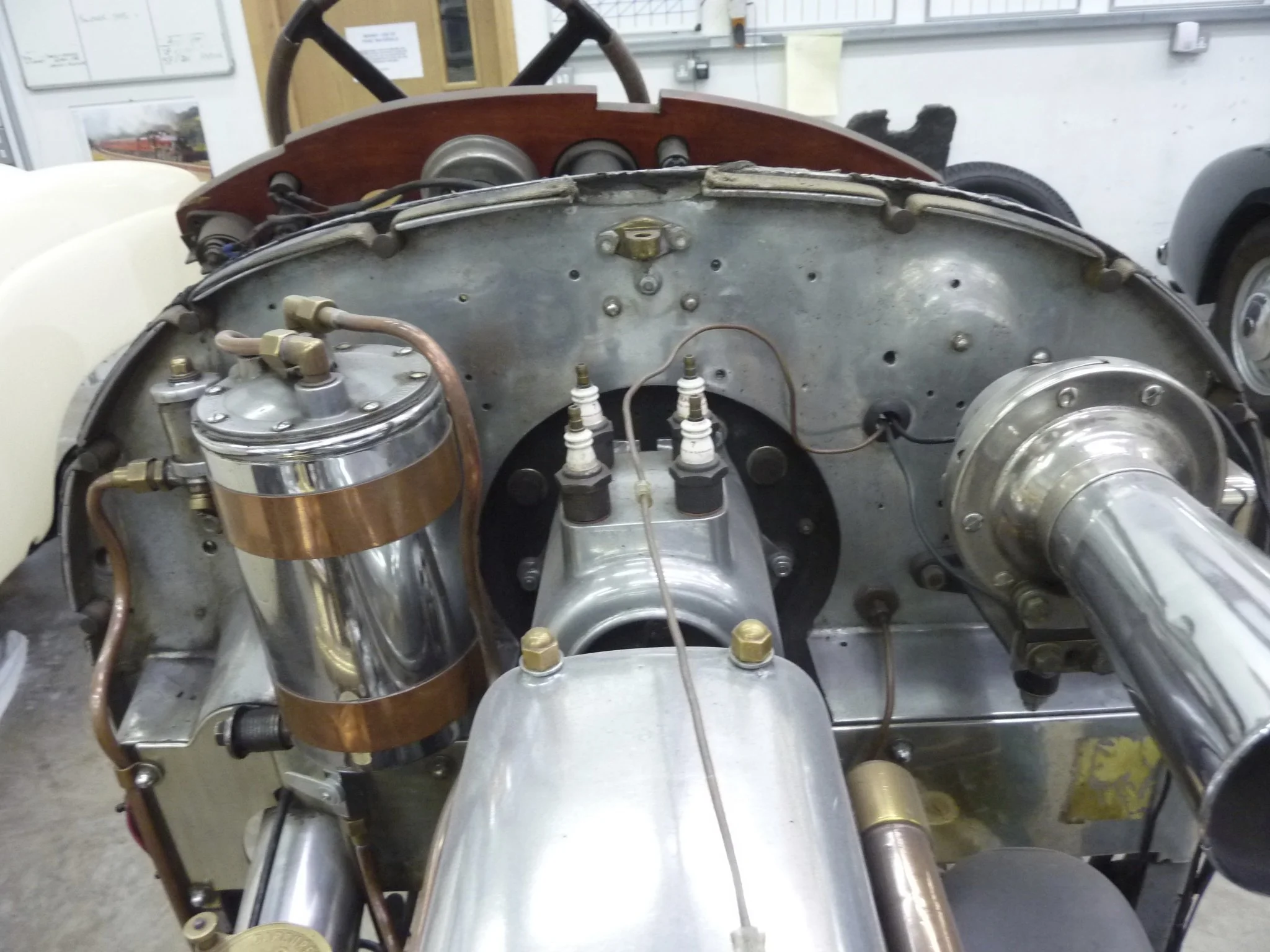
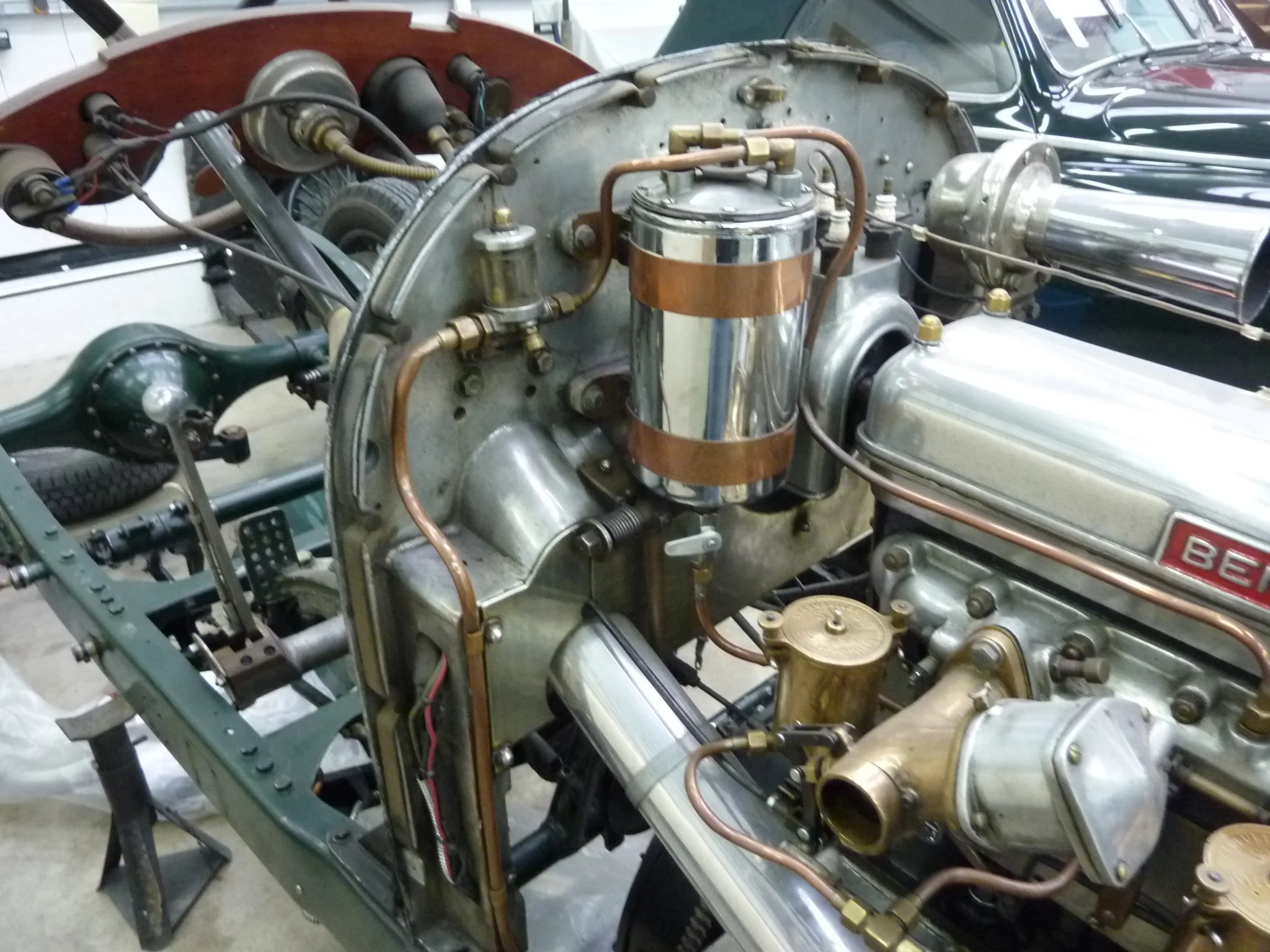
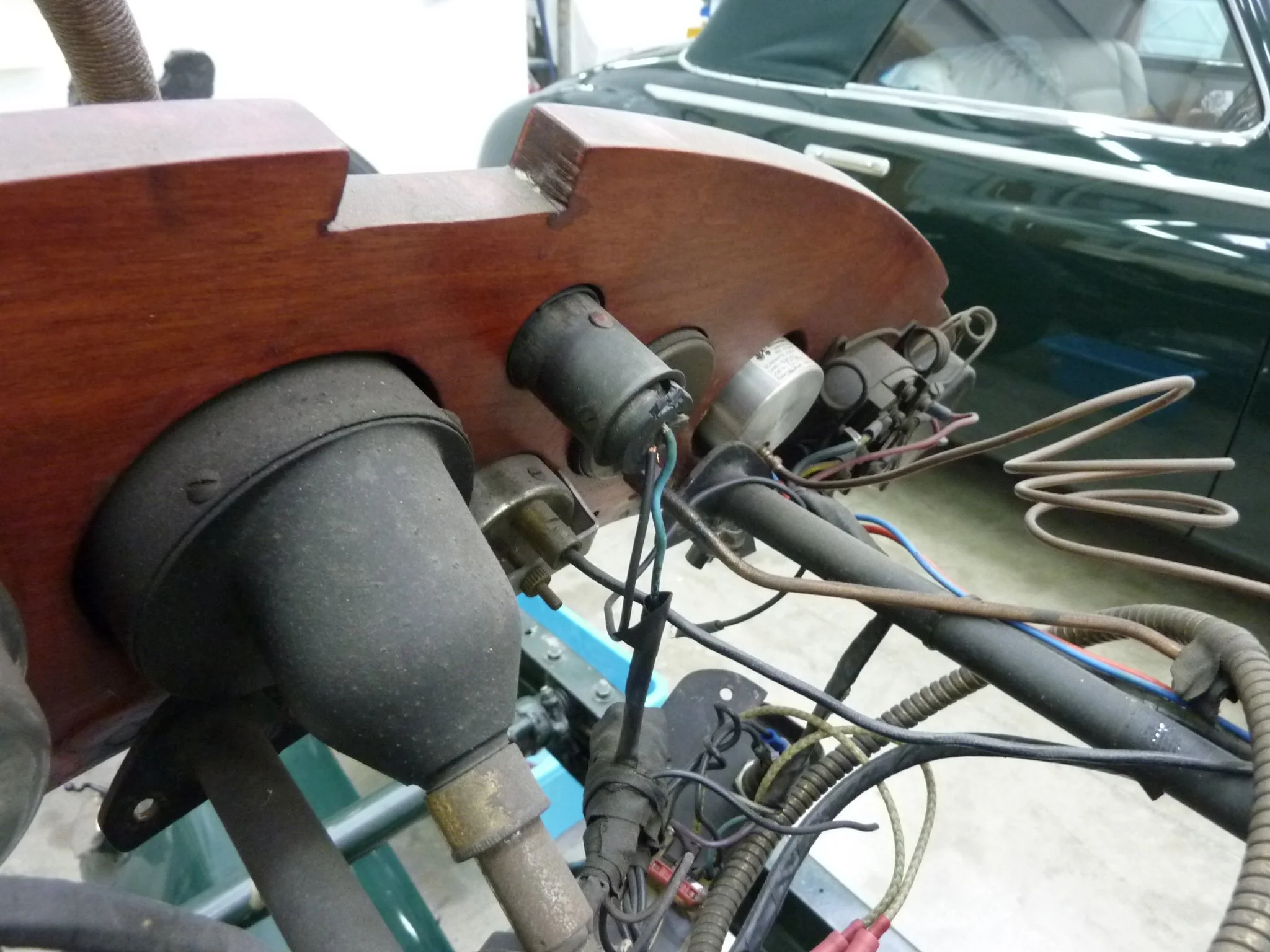
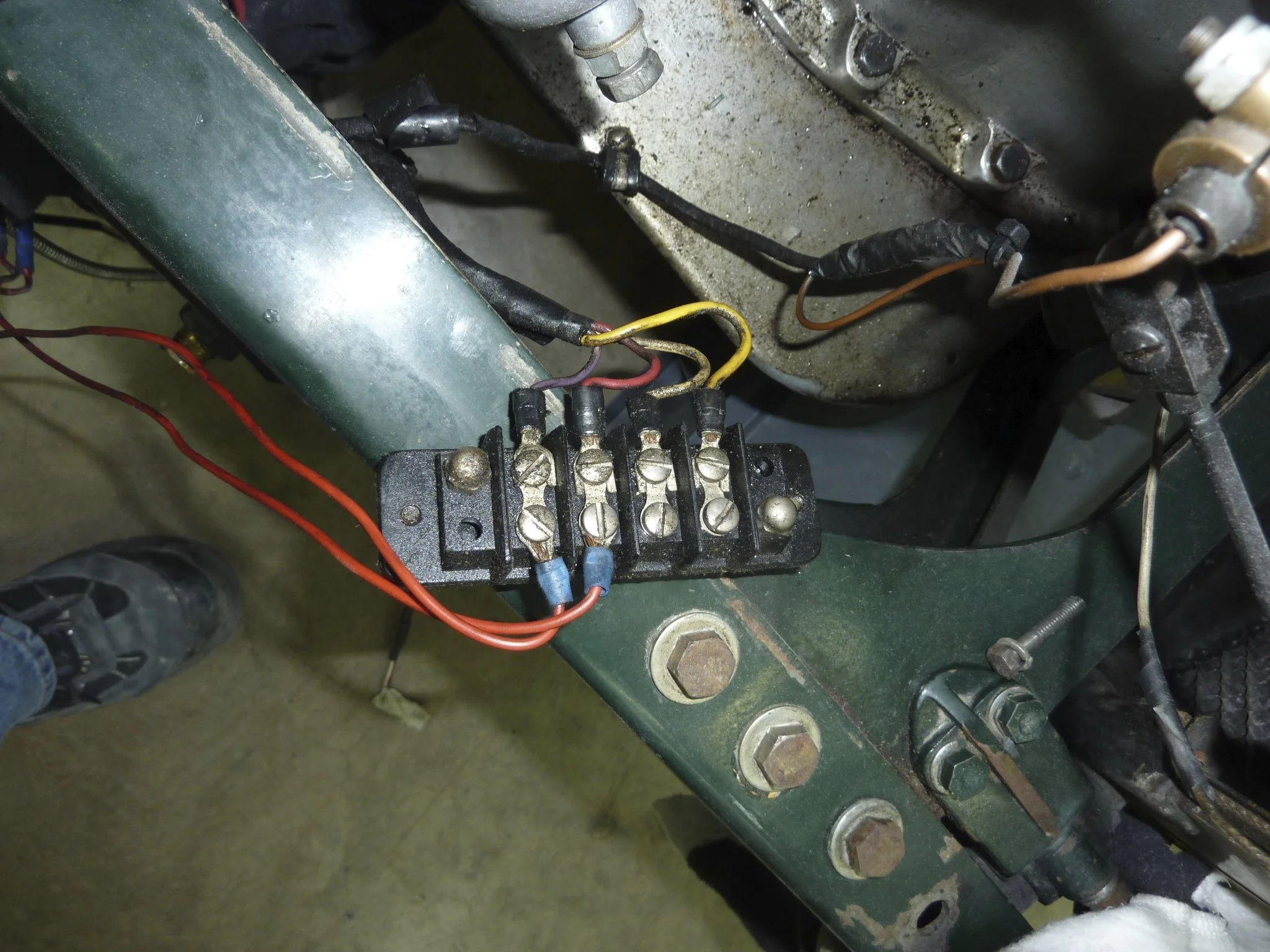
Mechanically, the engine was detailed rather than rebuilt, retaining originality while improving reliability. Wiring was completely renewed, braking and suspension systems refurbished, and correct period fasteners reinstated throughout. Steering was upgraded internally for improved feel, and the gearbox rebuilt with strengthened components. New wire wheels and Blockley tyres were fitted, along with a complete set of correct Zeiss lamps.
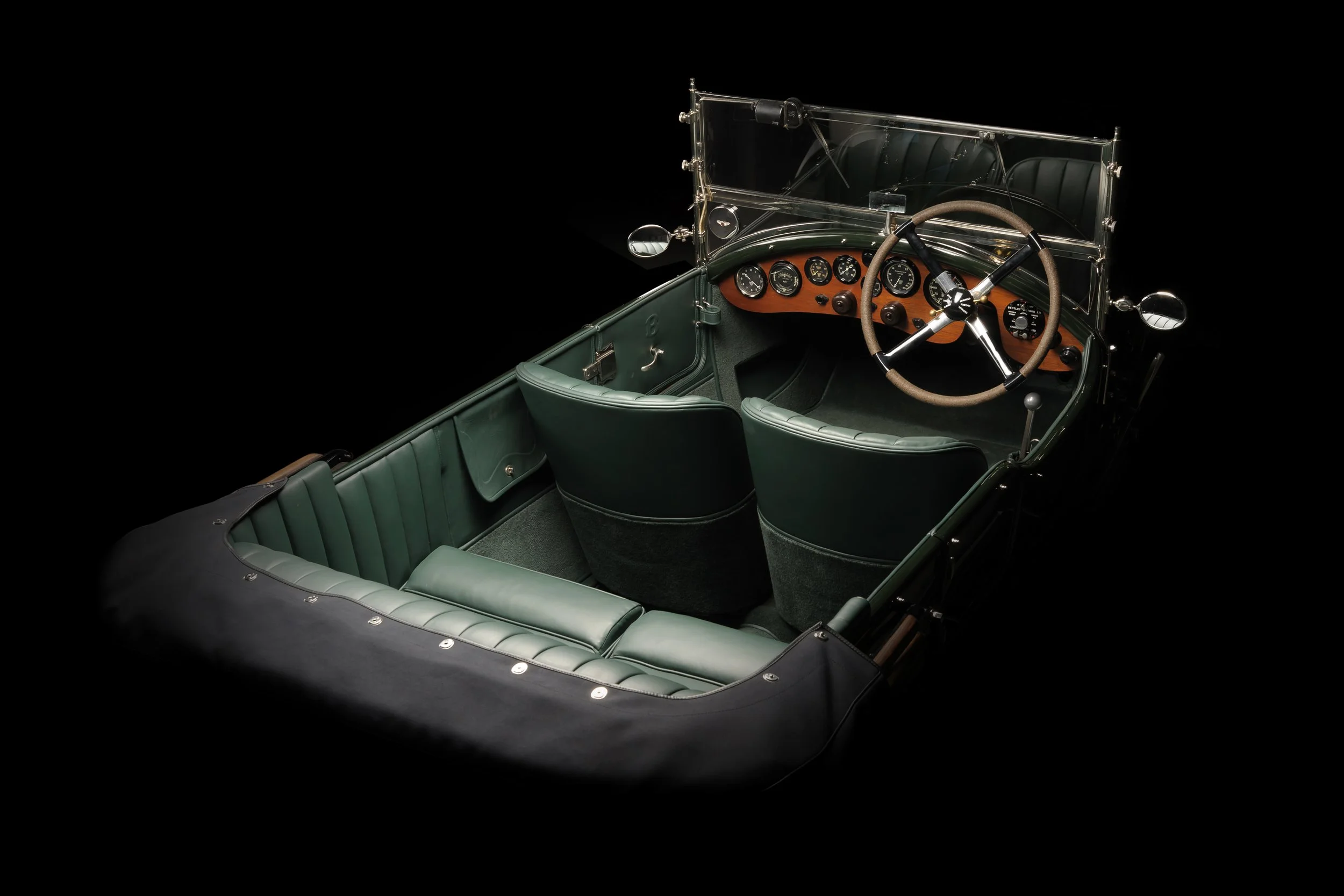
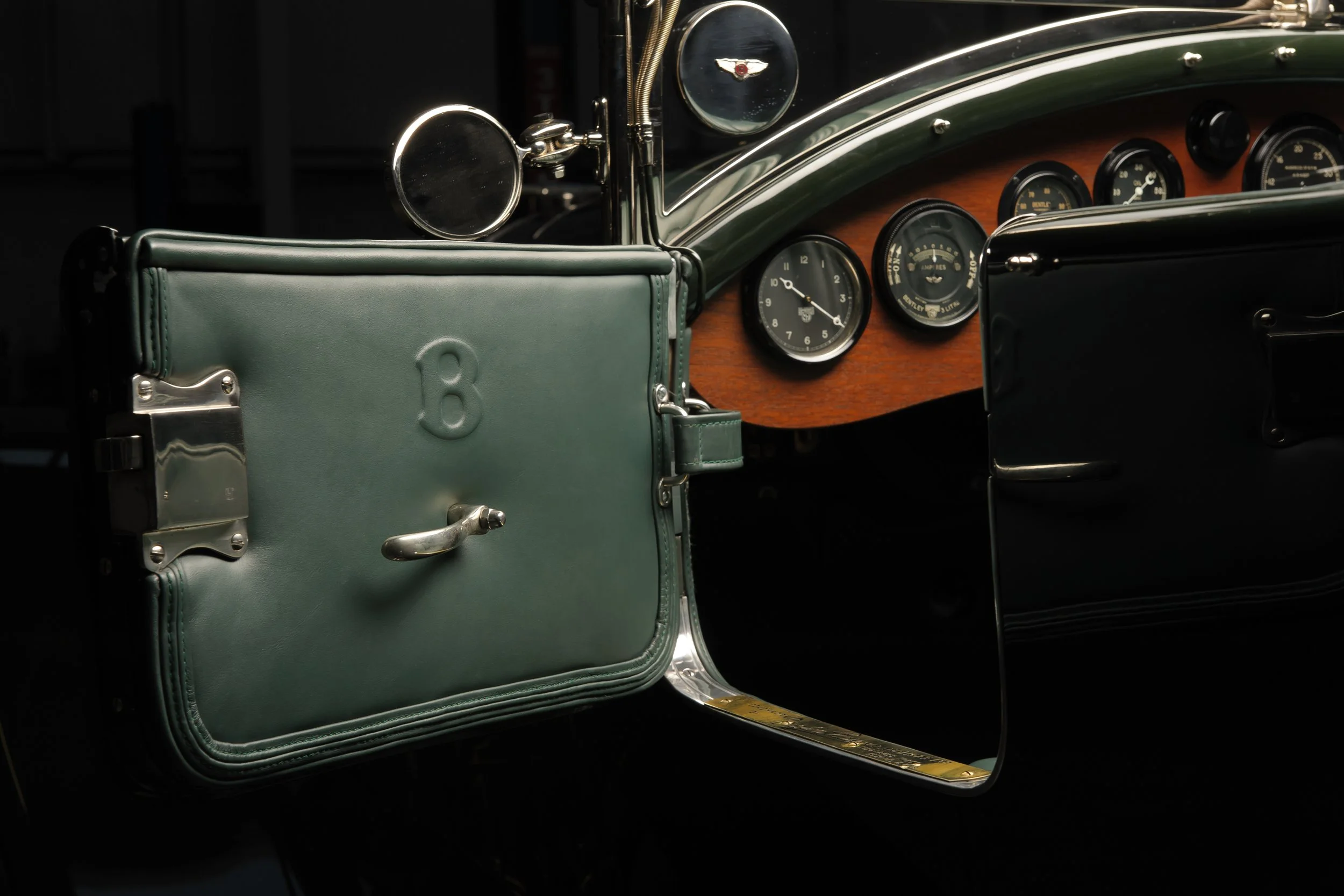
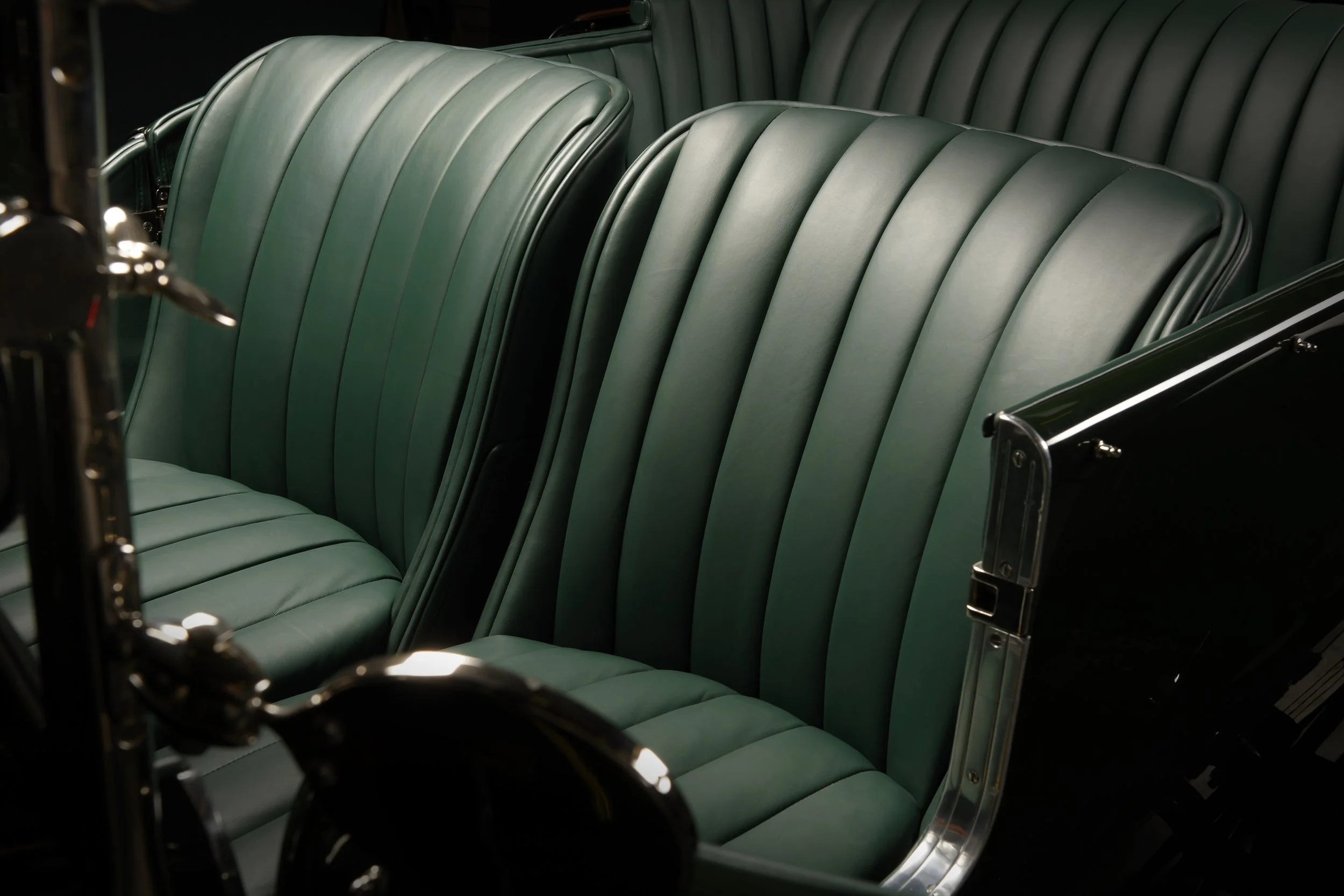
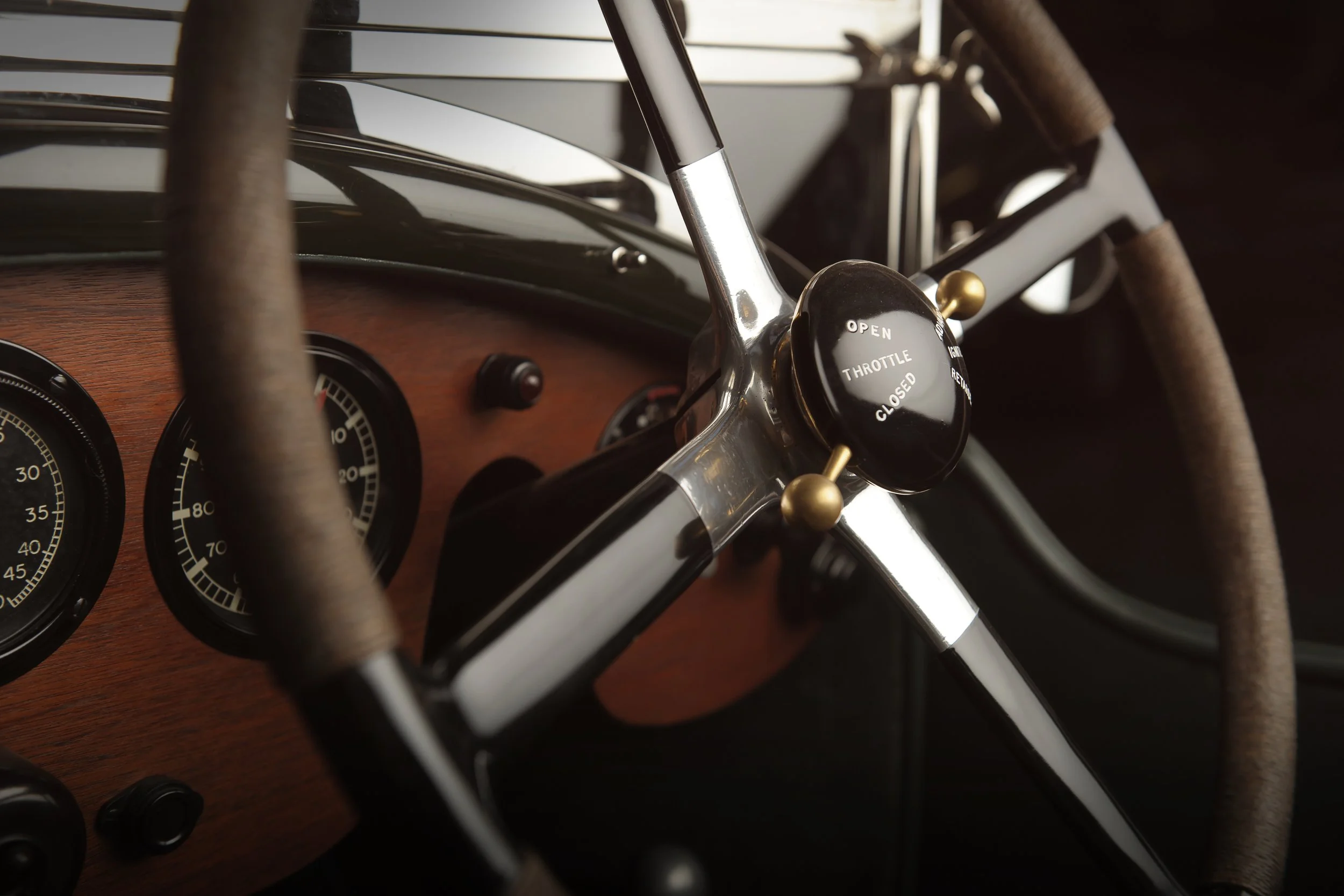
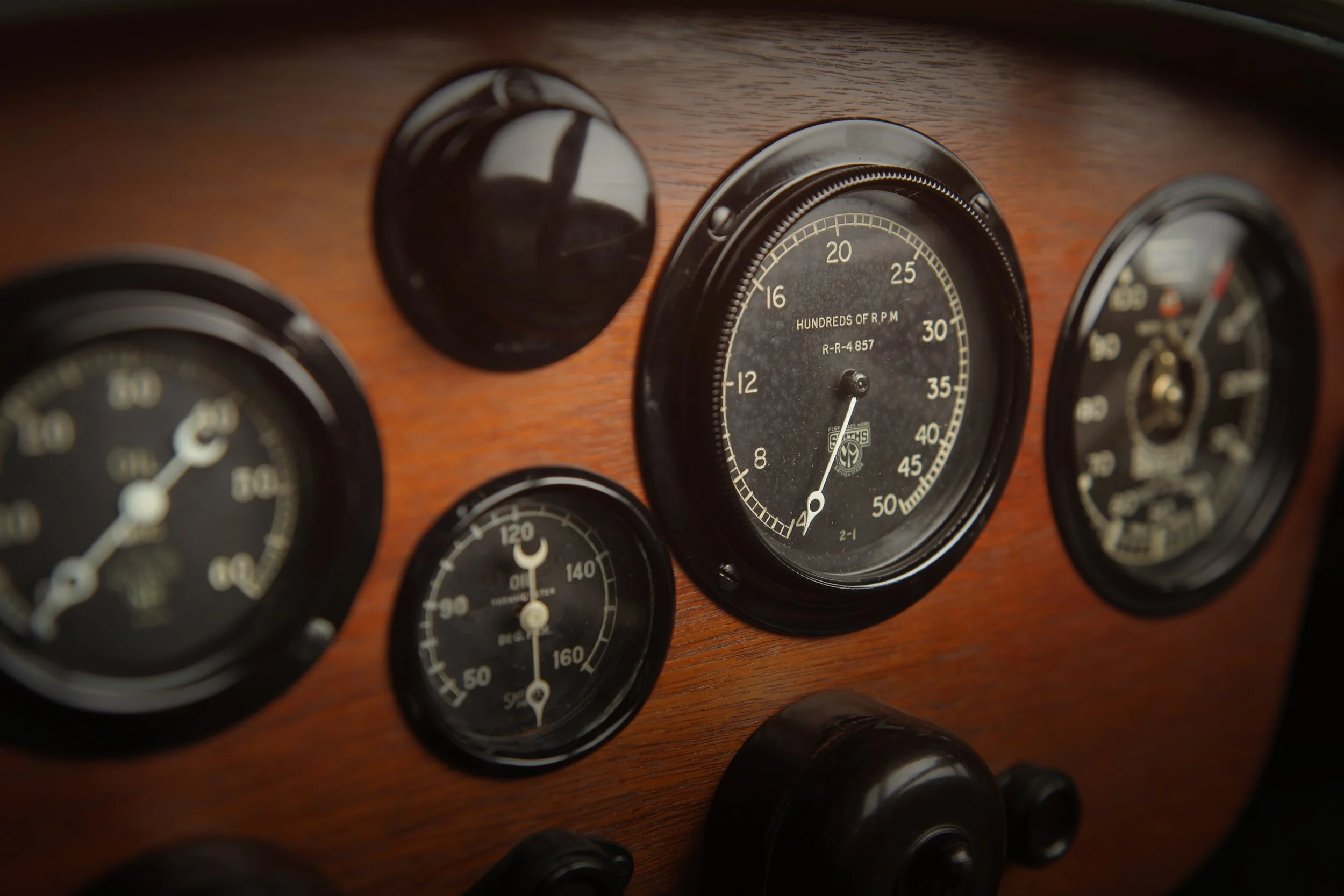
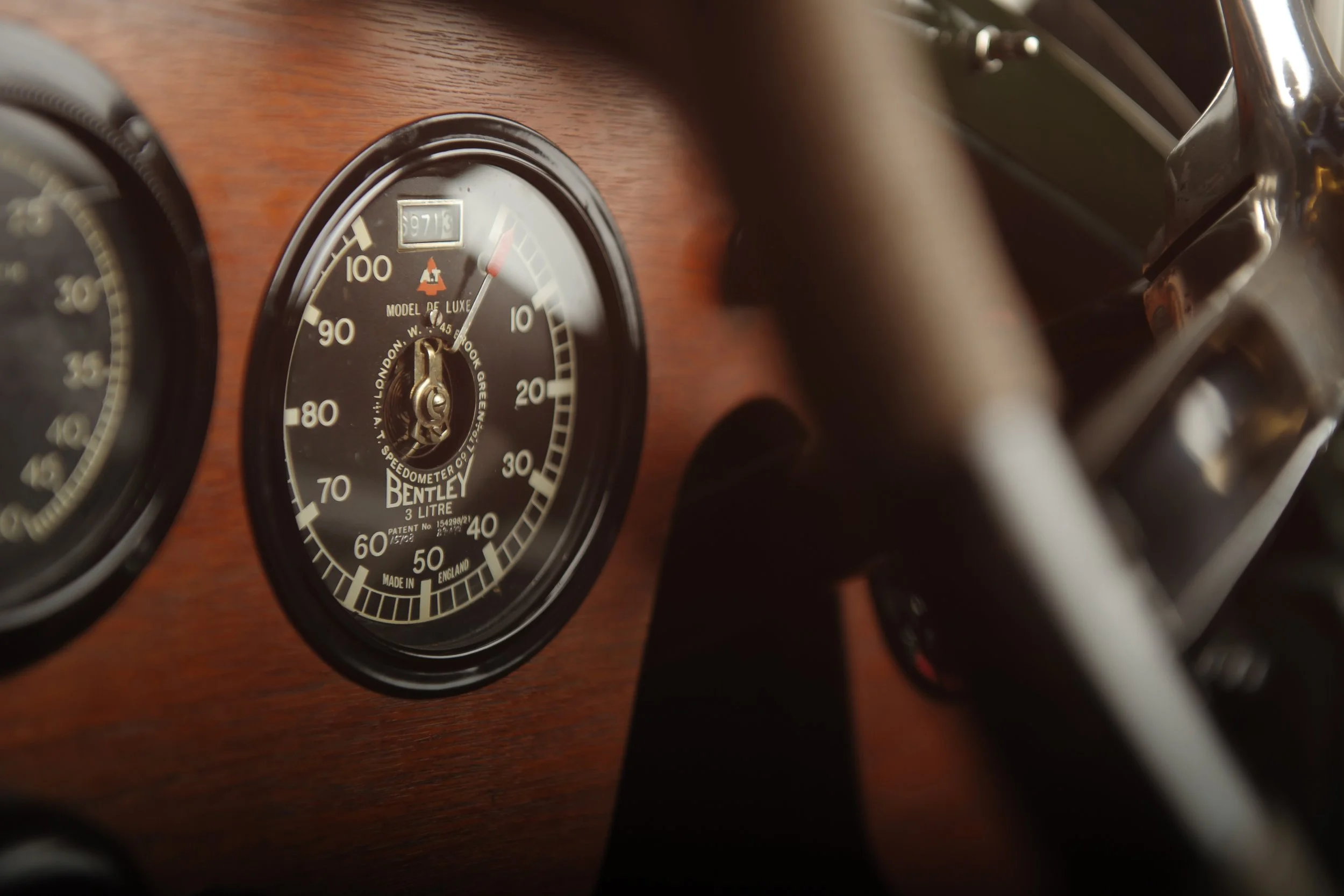
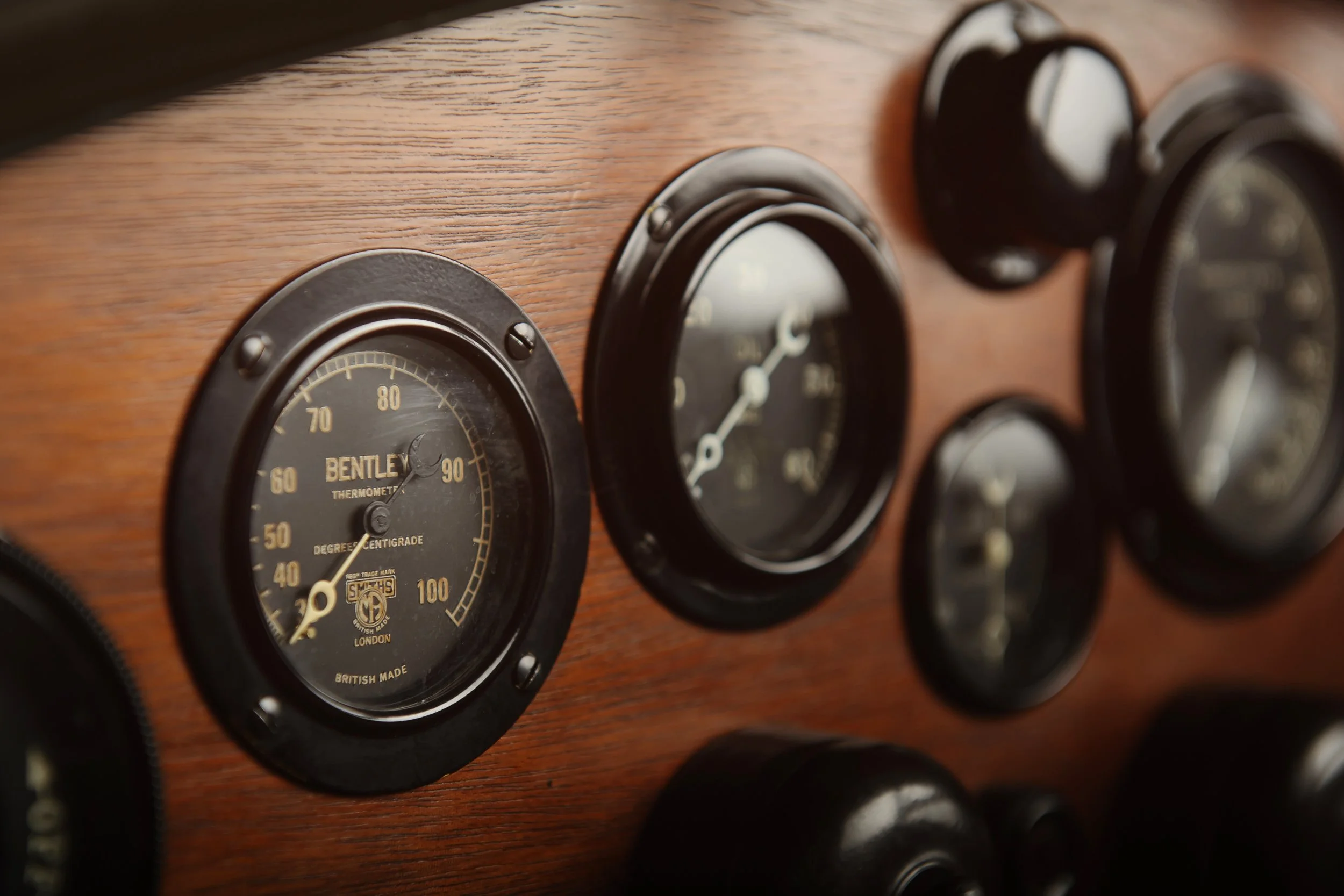
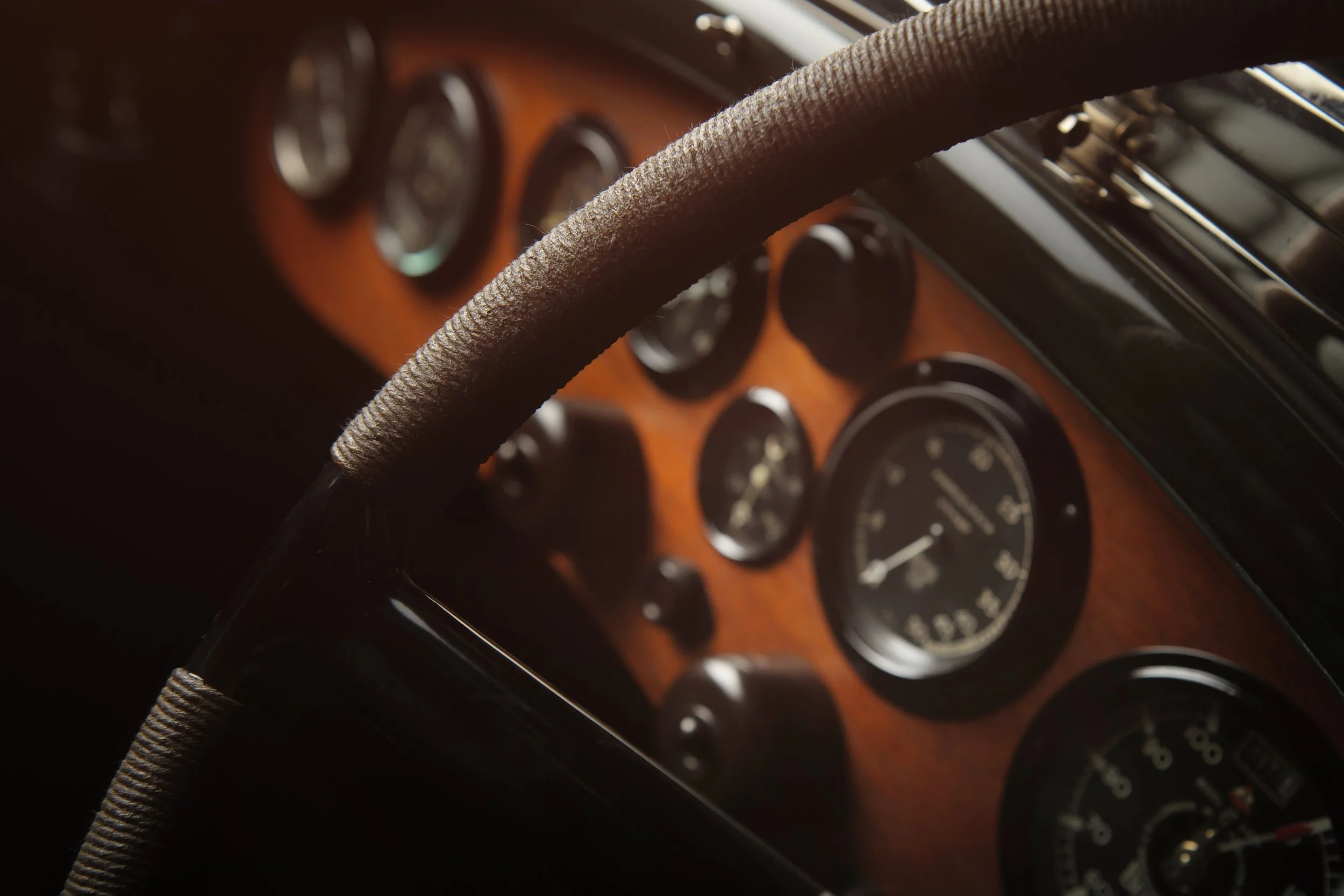
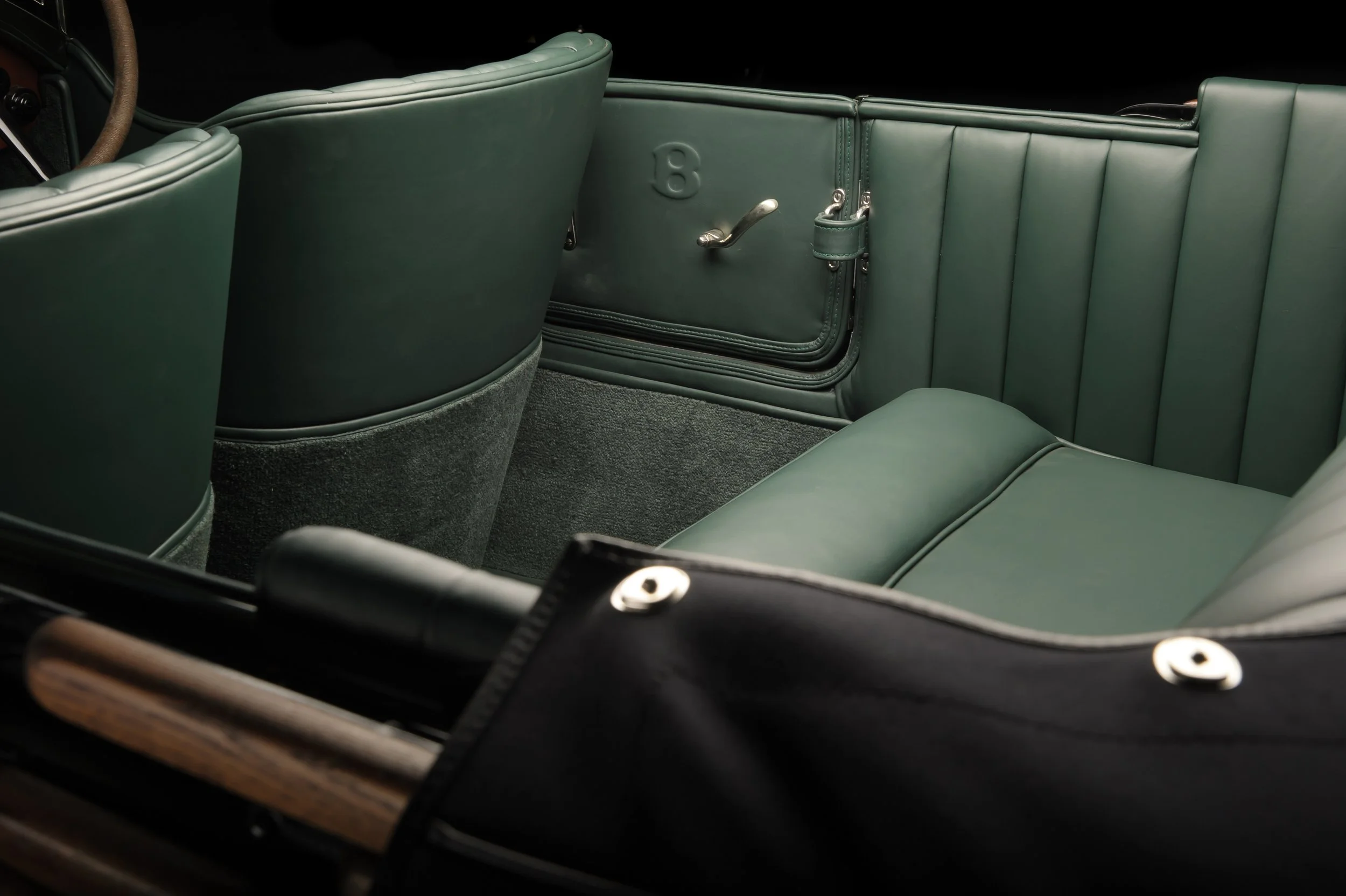
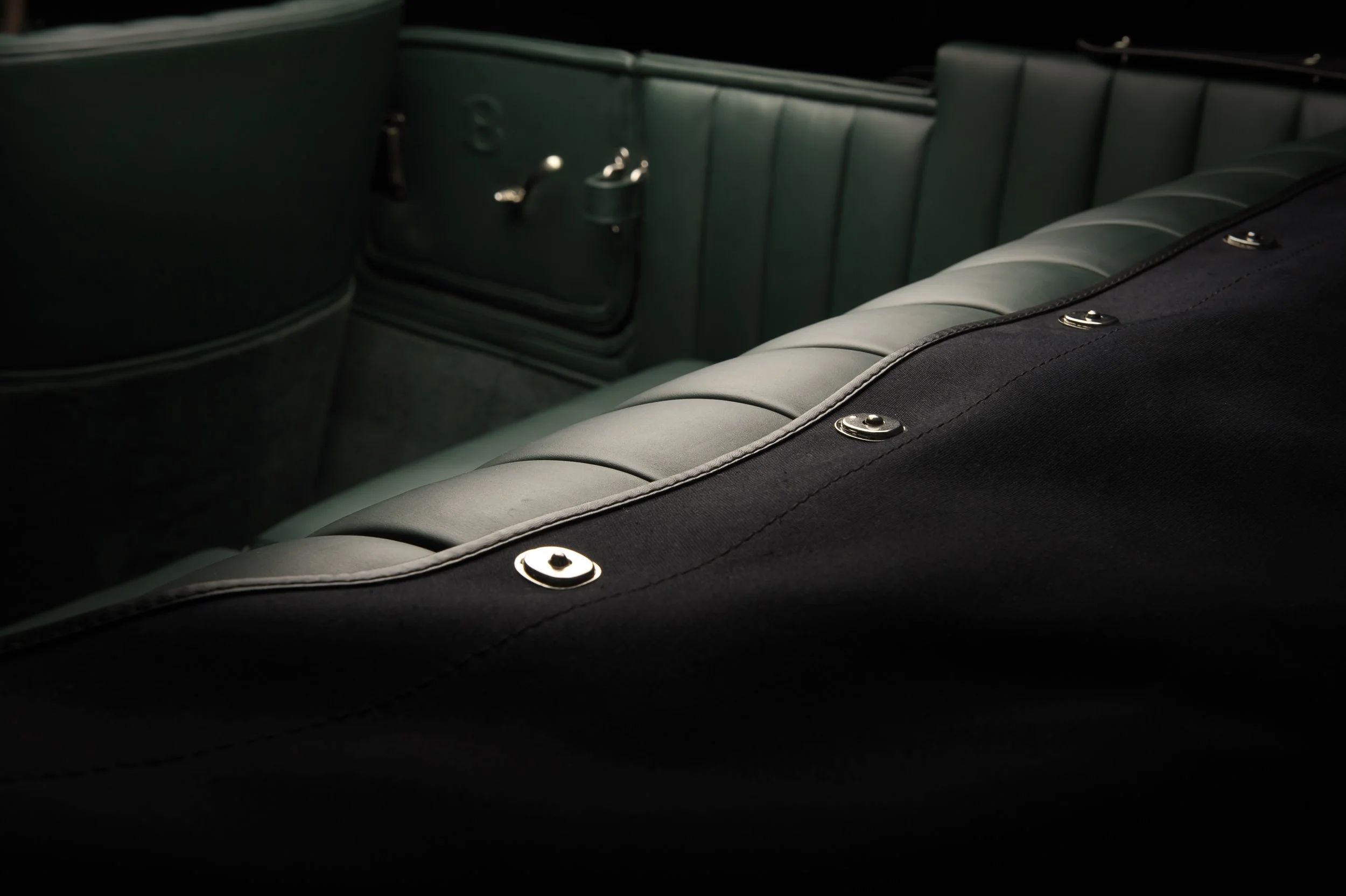
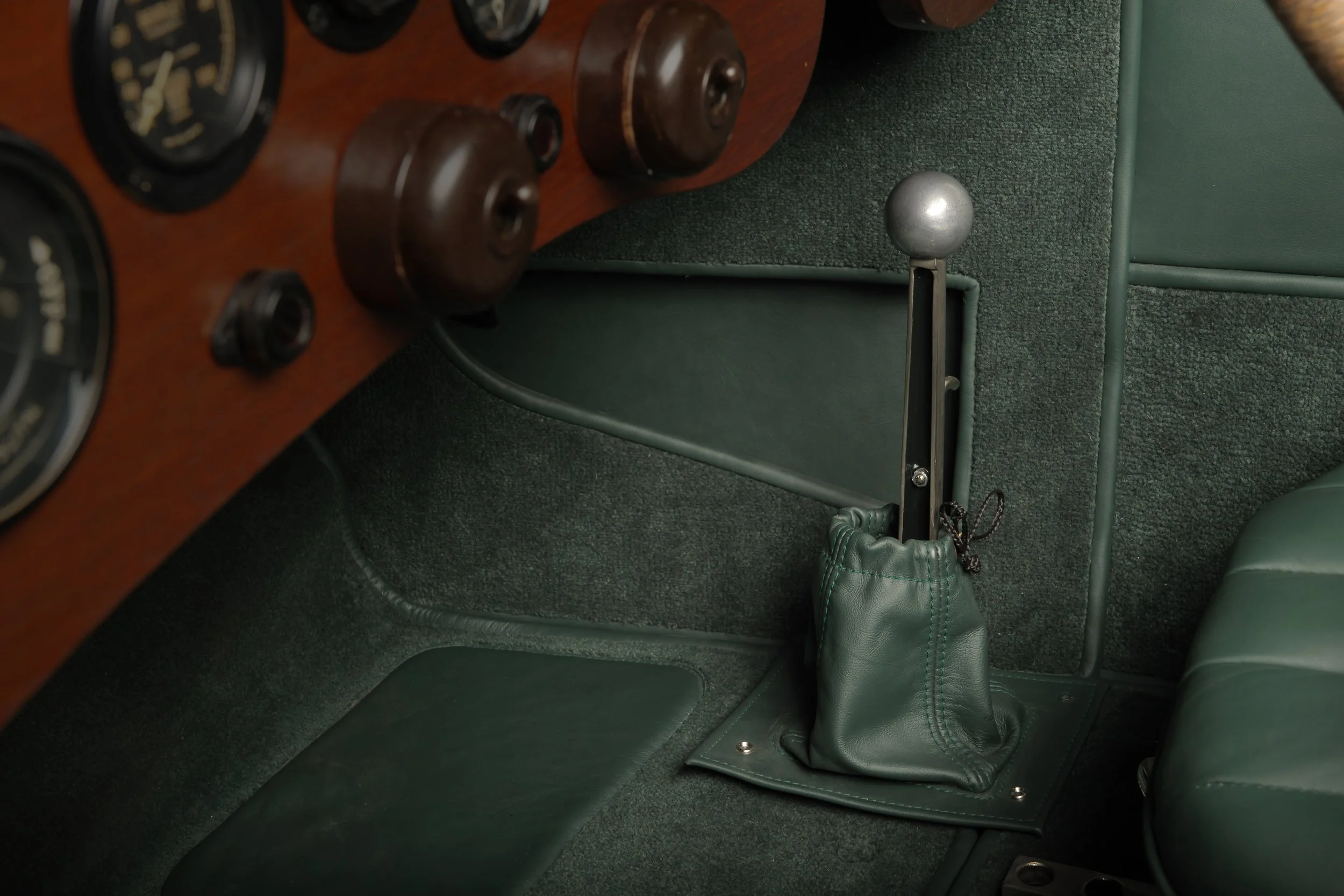
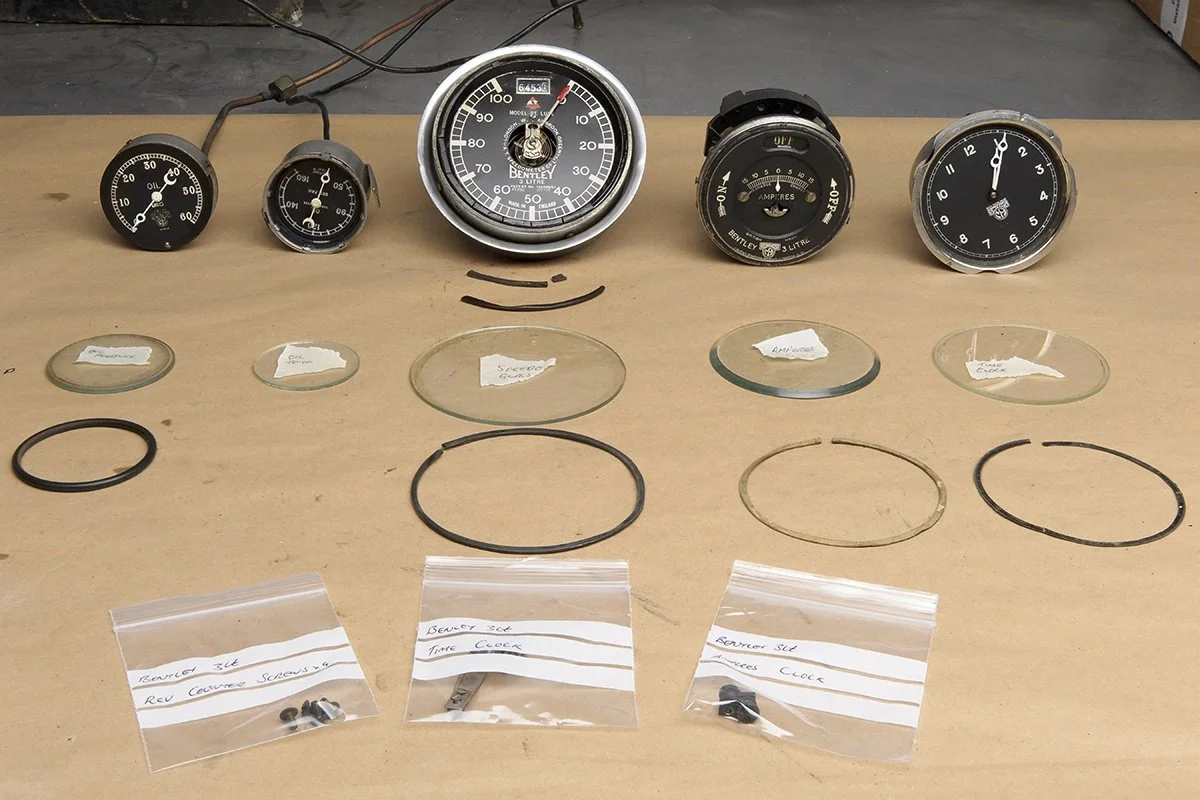
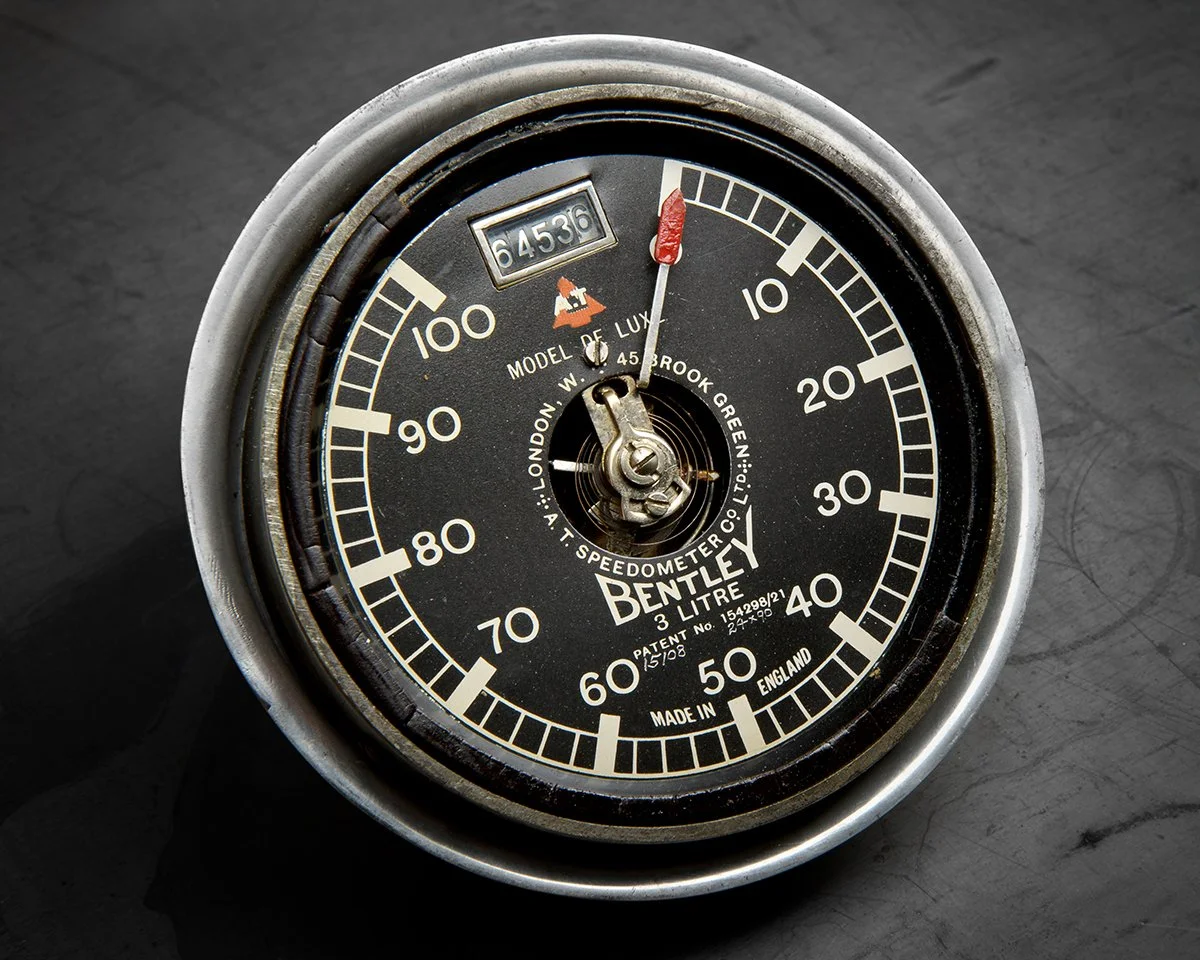
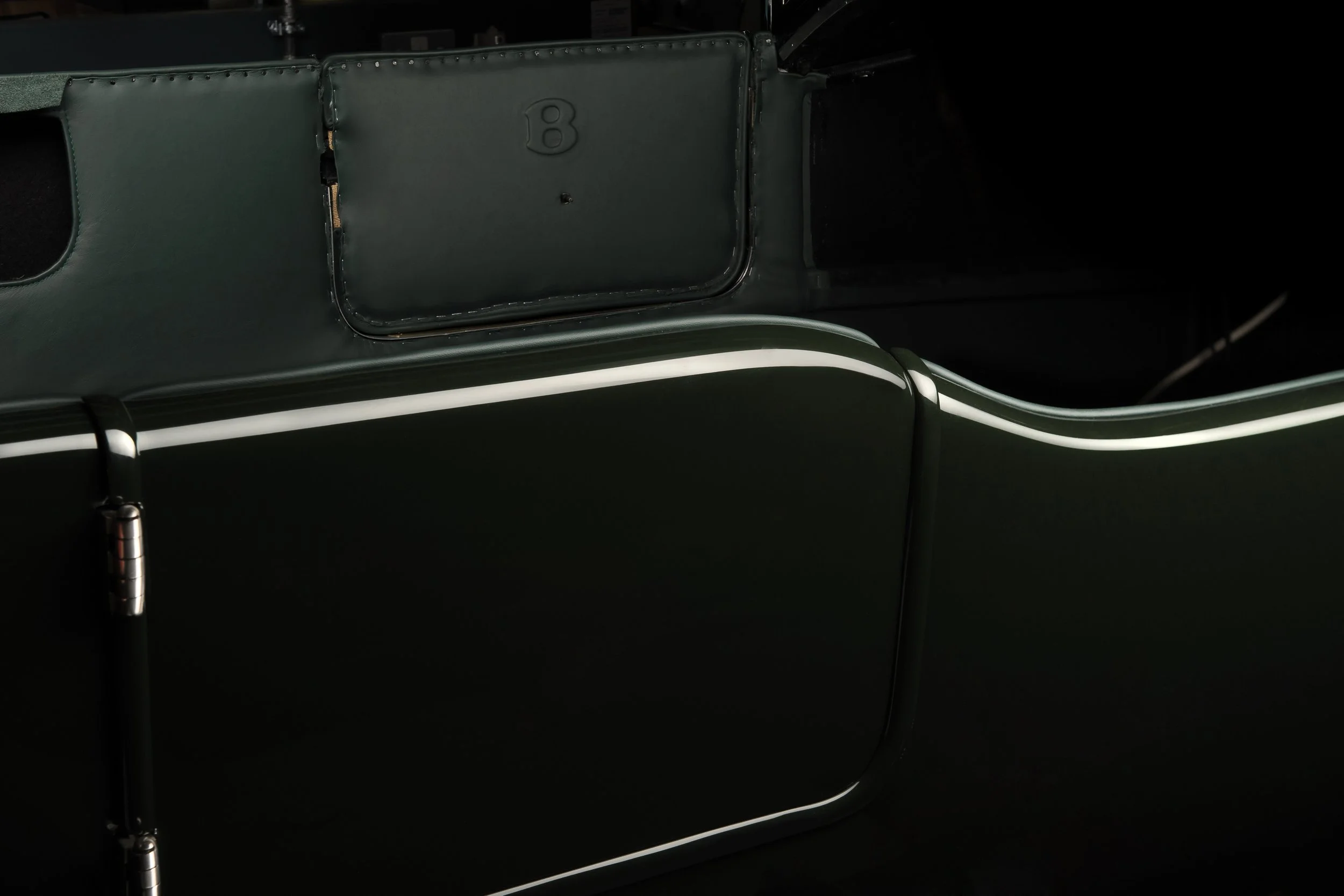
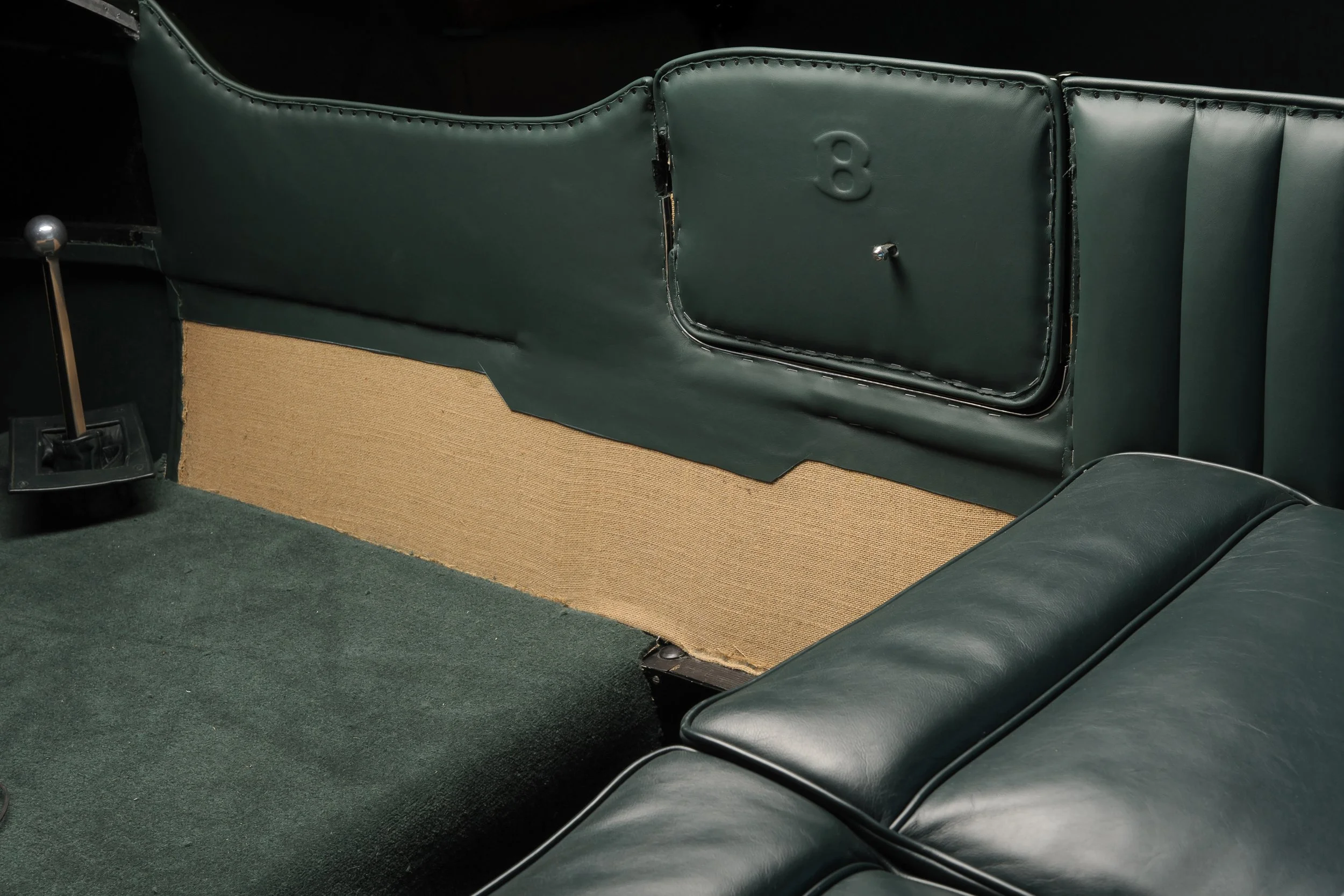
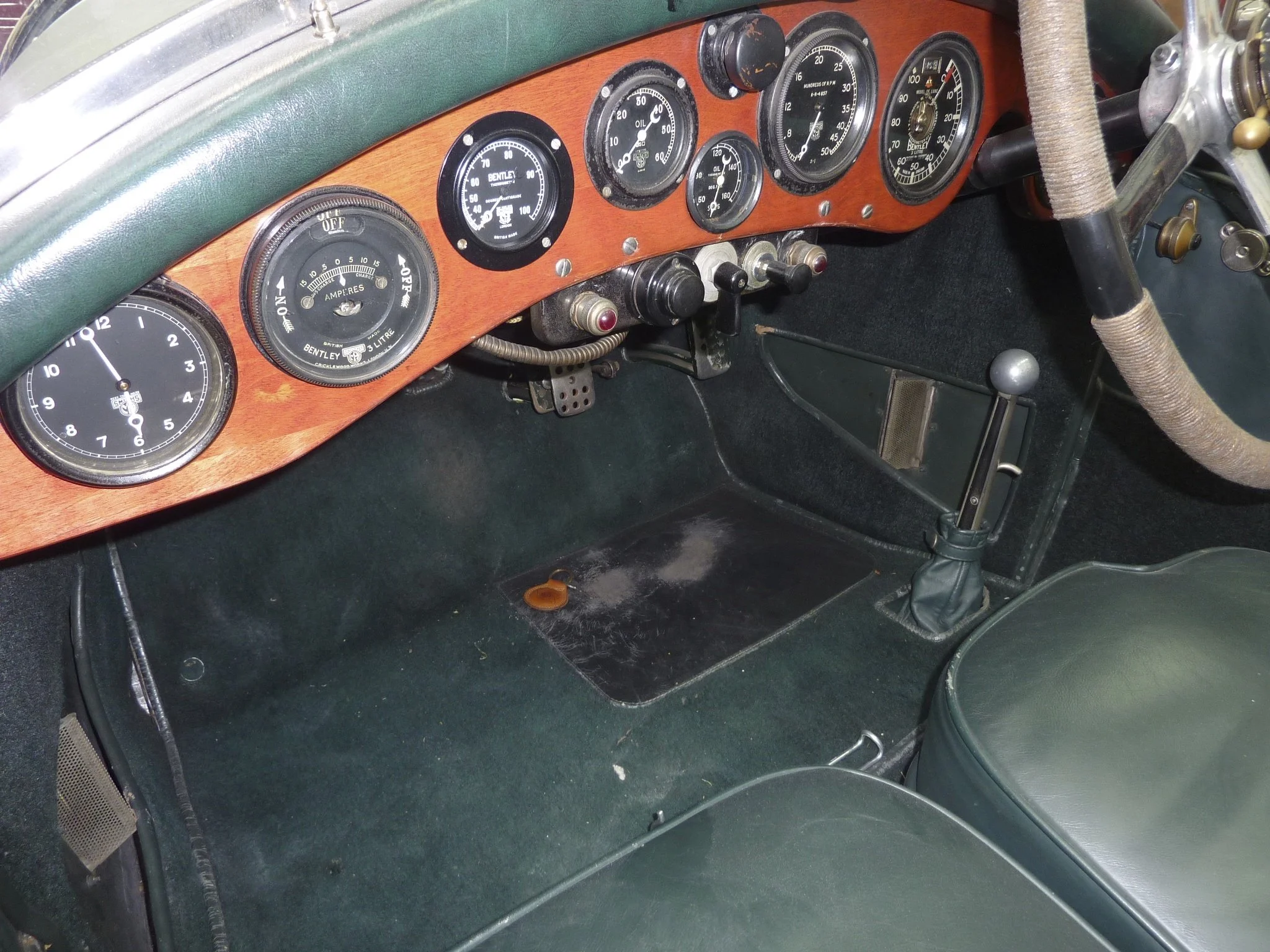
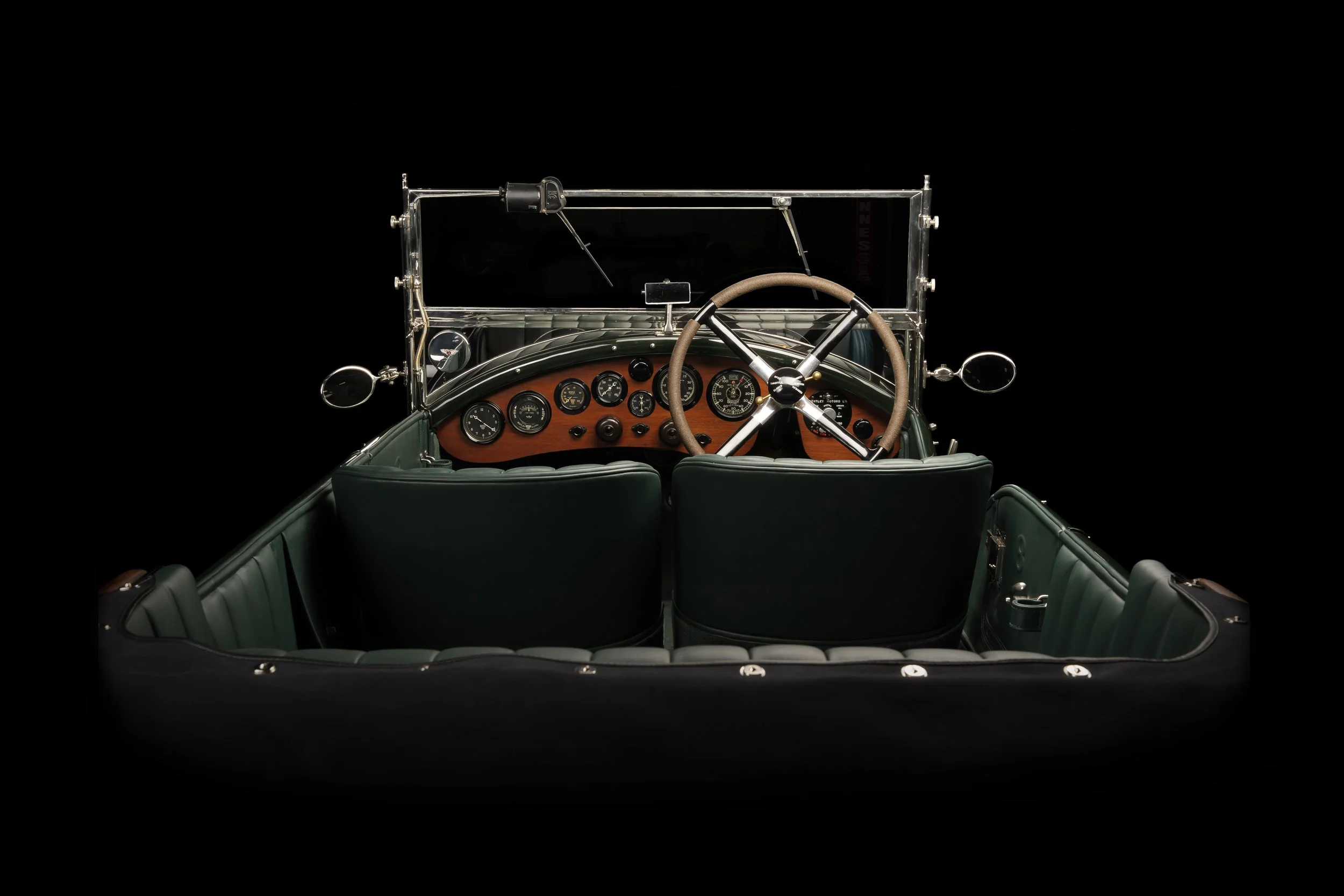
The chassis and body were refinished in Brewster Green cellulose paint using traditional methods, hand-polished to a period-correct finish. Inside, a new mahogany dashboard was made, instruments refurbished, and trim completed. The car is now fully restored, tested, and back on the road, combining originality, usability, and historic integrity.